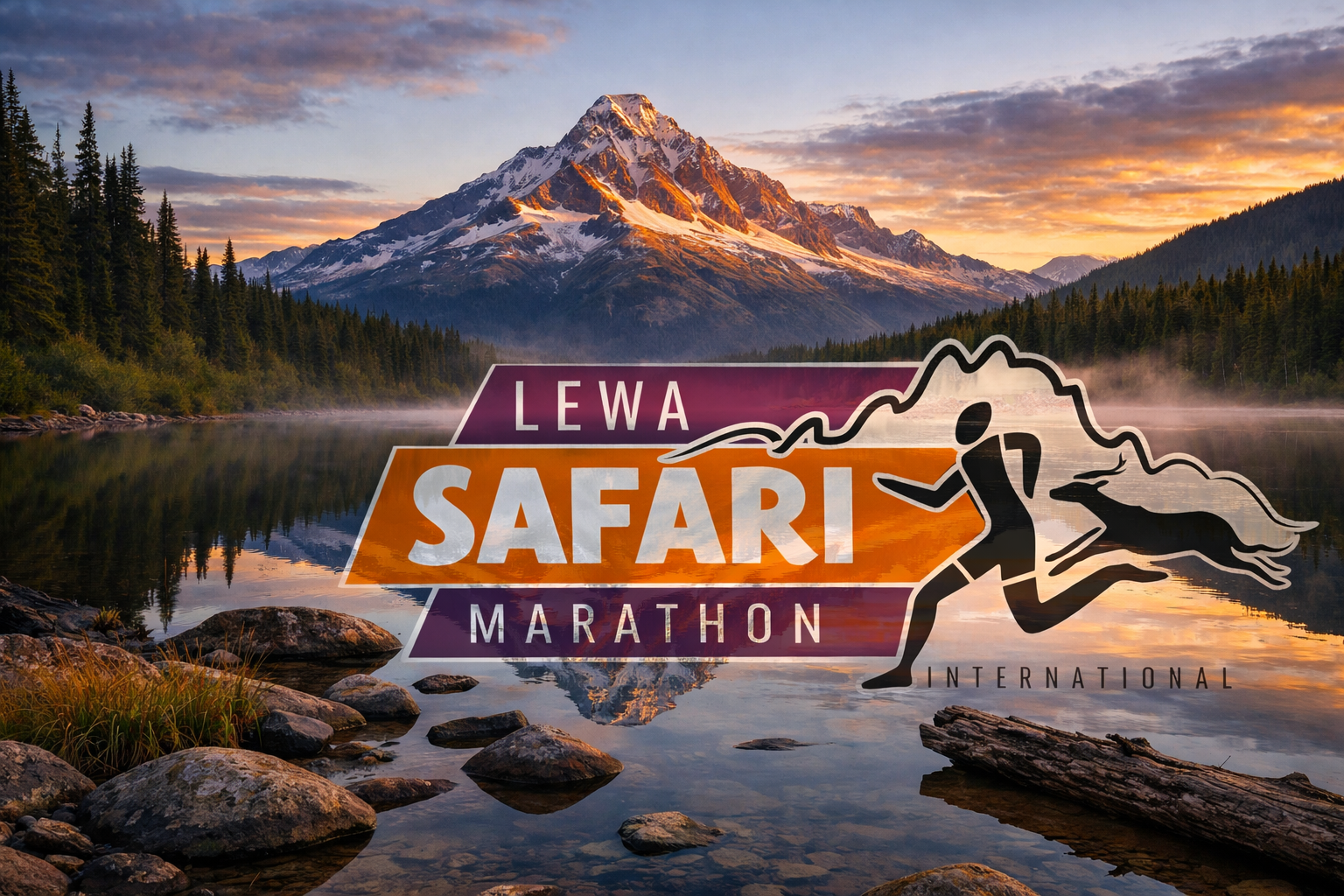
A fitness event rooted in conservation purpose returns to Nairobi's Karura Forest this Saturday, as the third edition of the Karura Run draws more than 400 participants — corporates, community members, and competitive athletes — in a fundraising build-up to the 2026 Lewa Safari Marathon, set for 27th June.
Tourism Cabinet Secretary Rebecca Miano's ministry has consistently championed Kenya's conservation-linked sporting calendar as a vehicle for community development and wildlife protection, a mandate that events such as this one translate into tangible funding and grassroots engagement.
Organised by Safaricom in partnership with international conservation charity Tusk, the annual Karura Run is structured to maximise participation across fitness levels, offering four competitive categories — a 21-kilometre half-marathon, 15-kilometre and 10-kilometre races, and a 5-kilometre walk — a format designed to draw seasoned runners and recreational enthusiasts alike into the conservation fundraising effort.
The event feeds directly into the broader Lewa Safari Marathon ecosystem, which since its inception has raised over Ksh 850 million for wildlife conservation and community development across Kenya, with more than Ksh 400 million channelled specifically toward protecting endangered species, critical wildlife habitats, and surrounding ecosystems that sustain the Lewa Wildlife Conservancy.
Safaricom's stake in this conservation corridor runs deep; earlier this year the telecommunications giant announced a Ksh 10 million contribution toward the 2026 Lewa Safari Marathon, reaffirming a corporate partnership that stretches across more than two decades and has made the company one of the marathon's most durable institutional backers.
"Through our long-standing support of the Lewa Safari Marathon, we have witnessed firsthand how sport can transform lives by unlocking access to education, healthcare, and sustainable livelihoods for communities around Lewa," said Peter Ndegwa, Safaricom Chief Executive Officer.
That commitment, Ndegwa noted, has deepened rather than plateaued — the Karura Run serving as the most visible expression of Safaricom's ambition to extend conservation engagement beyond writing cheques and into active community and corporate mobilisation.
Central to this mobilisation effort is the Lions of Lewa, an internal Safaricom employee collective that has evolved since 2019 into one of the Lewa Safari Marathon's most consistent top fundraising units, raising over Ksh 1.2 million annually while actively competing in the marathon itself — a model that blends employee wellness programming with corporate social responsibility in a manner rarely achieved with such sustained impact.
"This shared impact continues to inspire us to go even further through initiatives like the Karura Run, which brings together our partners, corporates, friends, and young people to participate, raise funds, and strengthen conservation efforts," said Ndegwa. The Lions of Lewa's record places Safaricom's conservation engagement in a category that few Kenyan corporates have matched in terms of both financial contribution and direct workforce participation.
With the 2026 Lewa Safari Marathon projected to attract over 1,500 participants across its four race categories — the 42-kilometre full marathon, 21-kilometre half-marathon, 10-kilometre race, and 5-kilometre children's race — and with registration for the main event now closed, Saturday's Karura Run represents the last major mobilisation moment before the flagship race unfolds on the Lewa Wildlife Conservancy grounds.
The cumulative funding trajectory — Ksh 850 million raised over the marathon's history — frames these annual events not merely as sporting occasions but as one of Kenya's most productive intersections of private sector investment, community development finance, and frontier conservation strategy.