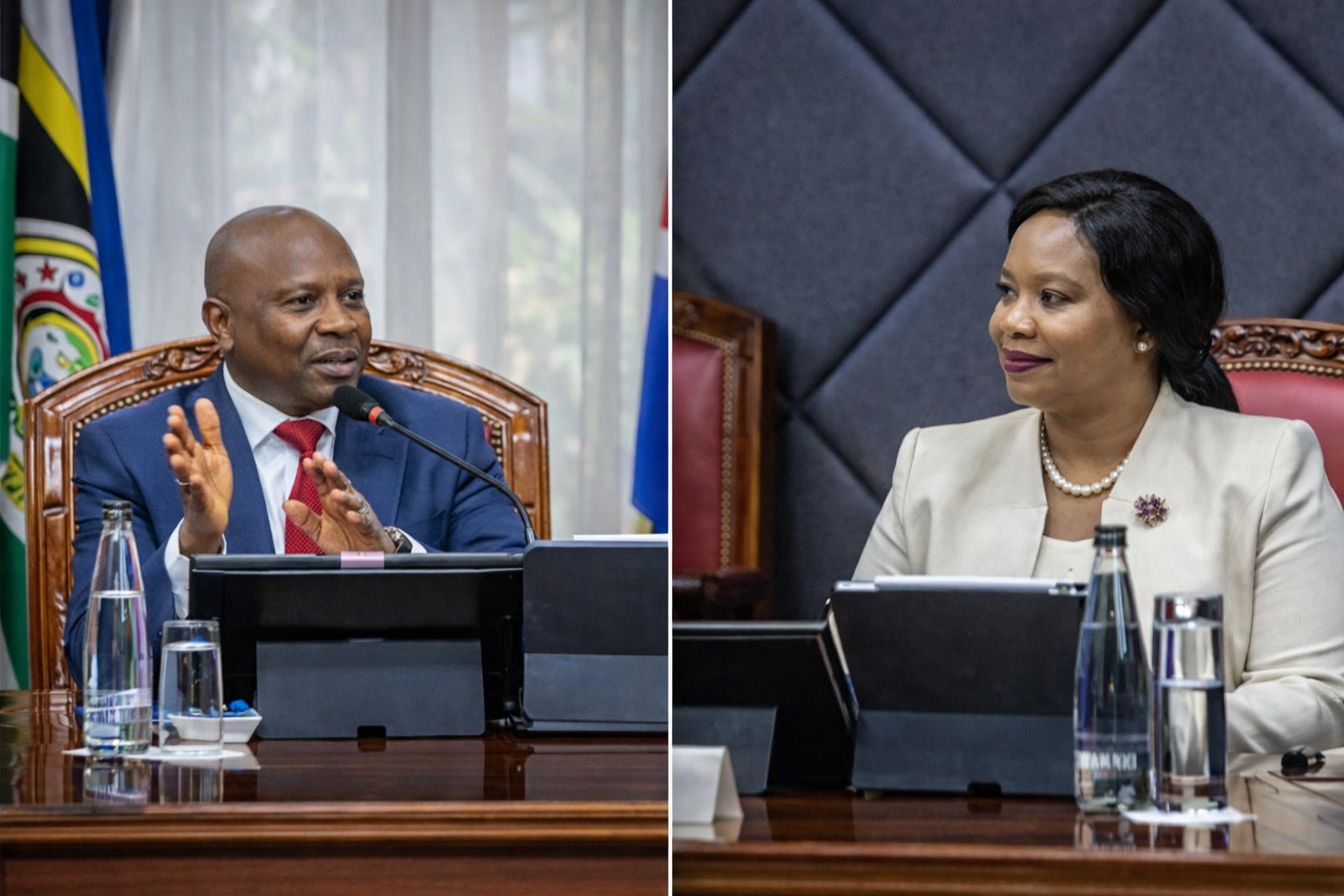
A Joint Committee of Cabinet meeting chaired by Deputy President Kithure Kindiki brought together Cabinet secretaries to assess Kenya's preparedness for artificial intelligence adoption and to map out the strategies through which the technology can be harnessed across the economy, with Cabinet Secretary Rebecca Miano using the engagement to articulate the tourism sector's growing dependence on AI and to signal the Ministry of Tourism and Wildlife's intent to align its policy and programmatic frameworks with the country's broader digital transformation agenda.
CS Miano identified three distinct areas in which AI is already reshaping or stands to reshape the tourism value chain: the delivery of personalised visitor experiences at a scale and precision that conventional hospitality operations cannot replicate, the deployment of smart destination marketing tools that use data to target and convert potential travellers with greater efficiency, and the application of predictive analytics to wildlife conservation, where data-driven insights into animal movement, poaching patterns, and ecosystem health are increasingly informing ranger deployment and resource management decisions.
Taken together, these applications position AI not as a peripheral technology experiment within tourism but as a structural enabler of both commercial performance and conservation outcomes.
The framing of tourism as a sector that relies heavily on AI is analytically well-founded. Globally, major destination management organisations and hospitality groups have invested in artificial intelligence tools that dynamically adjust pricing, personalise itinerary recommendations, automate customer service interactions, and optimise marketing spend across digital channels, generating measurable gains in conversion rates, guest satisfaction scores, and revenue per available room.
Kenya's ambition to compete at the top tier of the global tourism market makes engagement with these tools a strategic necessity rather than an optional enhancement. On the conservation side, the application of predictive data to wildlife management carries particular weight for a country whose tourism economy is anchored in the appeal of its wildlife heritage.
Platforms that integrate satellite imagery, camera trap data, and ranger reporting into real-time analytical dashboards are already in use across several African conservation areas, and their expansion within Kenya's network of national parks and conservancies would strengthen both the effectiveness of protection efforts and the evidence base that attracts international conservation funding and partnership.
The Joint Cabinet Committee's focus on AI readiness reflects a recognition at the highest levels of the Kenyan government that the technology will reshape competitiveness across sectors and that countries that develop coherent national strategies early will be better positioned to capture the productivity, innovation, and investment benefits that AI is expected to generate.
Deputy President Kindiki's chairing of the session lends the process executive weight and signals that AI policy is being treated as a cross-government priority rather than a matter for the technology sector alone.
CS Miano's commitment to aligning the Ministry's interventions with national AI interests points toward a period of policy development in which tourism regulations, investment frameworks, and public-private partnerships will need to be tested against the question of whether they enable or obstruct the adoption of technologies that are rapidly becoming standard in competing destinations.
The ministry's stated openness to unlocking new frontiers for growth and sustainable tourism through AI will ultimately be measured against the concrete policy instruments and institutional partnerships it produces in the months ahead.