Nyeri County’s blend of wildlife, heritage and outdoor recreation is emerging as a central pillar in Kenya’s efforts to deepen tourism earnings beyond traditional safari circuits, as authorities seek to strengthen destination marketing strategies that link visitor experiences more directly to local economic activity.
Tourism and Wildlife Cabinet Secretary Rebecca Miano, who recently toured the county, said the government is working to package Nyeri’s natural and cultural attractions into a more integrated tourism offering capable of attracting both domestic and international travellers.
Situated between the slopes of Mount Kenya and the Aberdare Range, the county has long occupied a unique position within Kenya’s tourism landscape, combining ecological assets, historical sites and adventure tourism opportunities within a relatively compact geographical area.
The renewed focus on Nyeri reflects a broader policy direction aimed at dispersing tourism benefits beyond established coastal and wildlife destinations.
By promoting counties with diverse attractions, policymakers are seeking to increase visitor length of stay, expand spending across local economies and create new opportunities for communities whose livelihoods are linked to hospitality, transport, guiding services and cultural enterprises.
Miano described Nyeri as a destination where wildlife encounters, historical exploration and sports tourism converge, creating a tourism product capable of appealing to a wide range of visitor segments.
The county is home to several conservation areas, gateway routes to Mount Kenya and locations associated with Kenya’s colonial and independence-era history, factors that continue to attract both leisure travellers and educational visitors.
“Nyeri remains a true paradise for nature lovers and thrill-seekers alike,” said Miano, Cabinet Secretary for Tourism and Wildlife.
The ministry’s strategy seeks to move beyond destination promotion alone by ensuring tourism growth translates into measurable economic gains for host communities.
This approach aligns with ongoing efforts to strengthen community participation in the sector, encourage local enterprise development and expand value chains connected to accommodation, food services, transport and cultural experiences. Such initiatives are increasingly viewed as essential to building a more inclusive tourism economy while reinforcing conservation incentives within rural areas.
“Every ridge and valley here has a story to tell and an experience to offer,” said Miano.
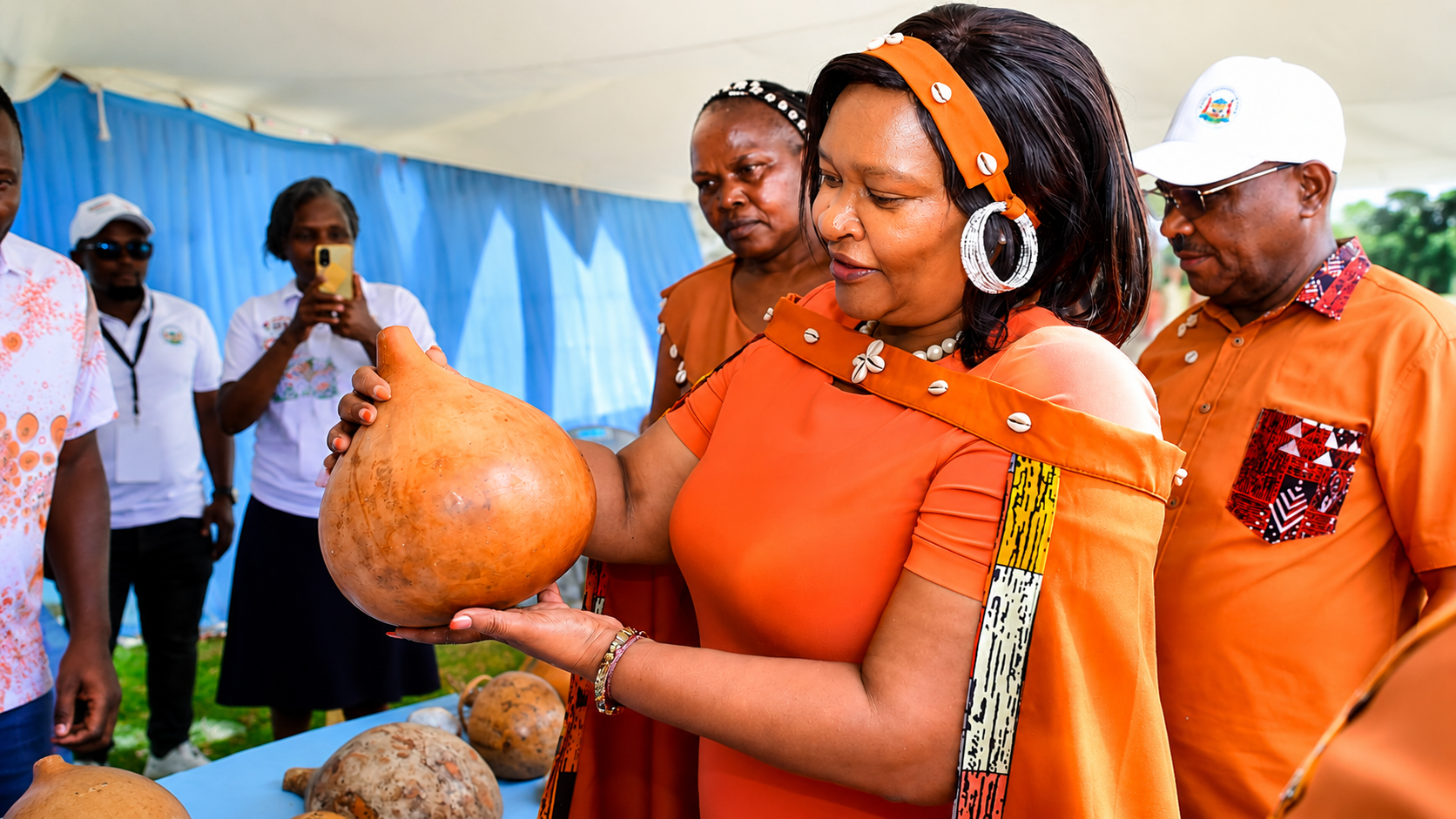
The focus on destinations such as Nyeri also comes at a time when Kenya is pursuing greater diversification within its tourism portfolio, with growing attention being directed toward sports, wellness, cultural and adventure tourism.
Industry stakeholders view these segments as important avenues for attracting new visitor markets and reducing dependence on a limited range of tourism products. By positioning counties with strong natural and cultural assets as stand-alone attractions rather than stopovers, the sector hopes to broaden its appeal while strengthening resilience against shifts in global travel demand.
“As the world enjoys Nyeri’s beauty, the local communities reap the economic rewards,” said Miano.
For Nyeri, the strategy presents an opportunity to leverage its proximity to Mount Kenya, its rich environmental resources and its historical significance to secure a larger share of Kenya’s tourism economy.
For the national tourism sector, it represents a wider effort to transform destination marketing into a tool for regional development, ensuring that visitor spending reaches communities that serve as custodians of the country’s natural and cultural heritage.