A road upgrade spanning the Kwa Haraka, Kageraini, Rwa Nyambo, Karangatha, and Kinamba corridor in Kinangop Constituency, Nyandarua County, was officially flagged off in a joint ceremony attended by Cabinet Secretary Rebecca Miano and her Transport counterpart CS Davis Chirchir, alongside elected leaders from the area, marking the start of a project that the government has framed as both a mobility intervention and an economic development catalyst for one of the county's most active agricultural and trading zones.
The road's upgrade carries particular weight in a constituency where rural producers have historically operated at a disadvantage due to poor connectivity, with farmers, traders, and artisans unable to move goods efficiently or attract buyers and visitors from beyond their immediate locality.
Infrastructure of this kind, when completed and maintained, has a documented effect on smallholder agricultural productivity by reducing losses tied to transport delays after harvest, lowering the cost of moving produce to market, and creating the physical conditions under which agroprocessing and value addition become viable at the community level.
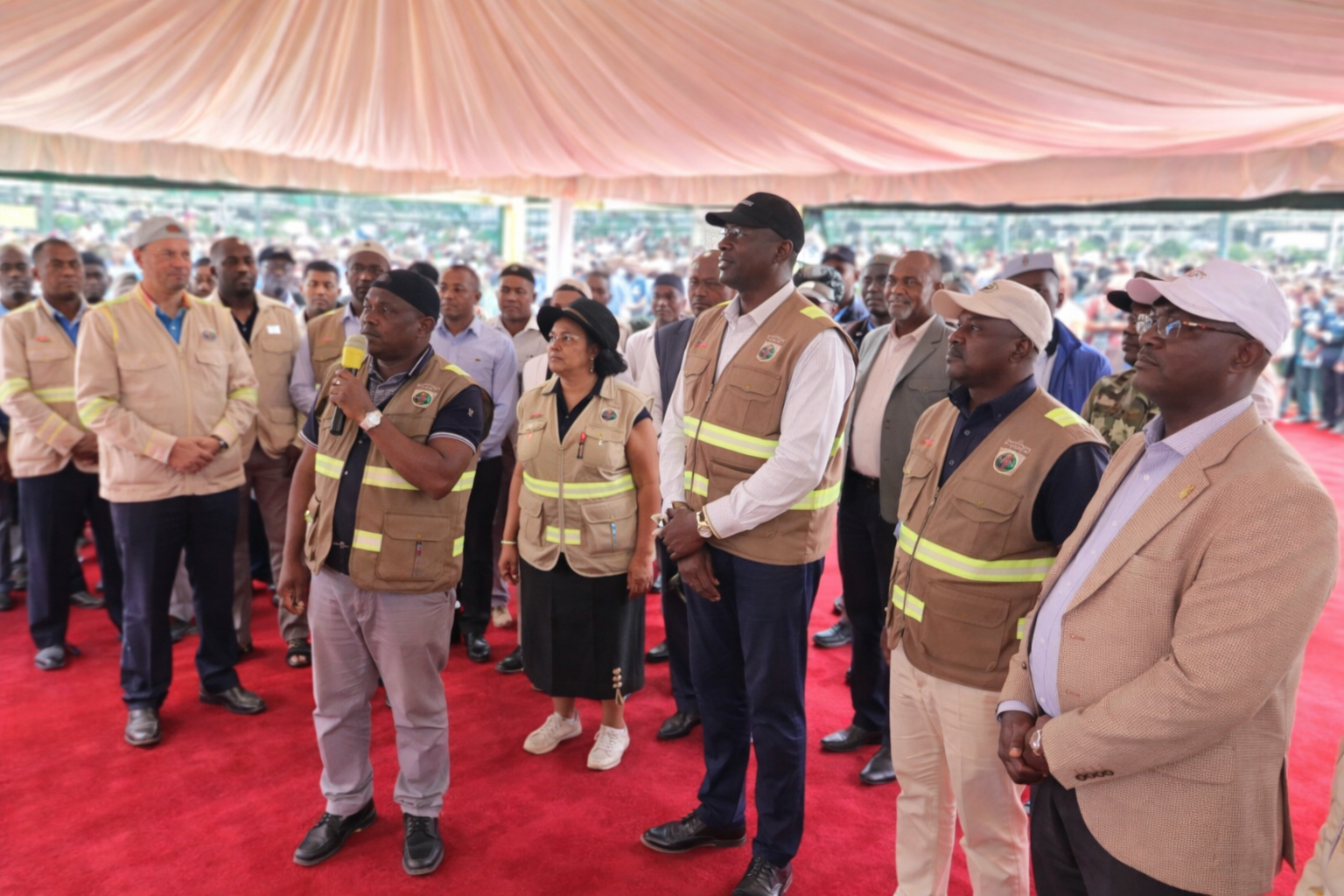
CS Miano's framing of the project drew an explicit link between road quality and tourism market access, a connection that reflects the Ministry of Tourism and Wildlife's interest in the physical infrastructure that determines whether heritage sites, scenic landscapes, and community based tourism enterprises in interior counties are reachable by visitors in the first place.
Nyandarua County, with its highland terrain, proximity to the Aberdare ranges, and active agricultural economy, holds tourism potential that has remained partially unrealised due to the constraints that poor road networks impose on visitor movement and on the ability of local artisans and cultural enterprises to present their offerings to a travelling market.
The joint presence of the Tourism and Transport Cabinet Secretaries at the flagging off ceremony reflects the interministerial nature of the project's anticipated benefits, with road quality sitting at the intersection of transport policy, agricultural logistics, and tourism facilitation in a way that no single ministry can fully own or deliver alone.
Elected leaders from Kinangop Constituency attending the event signals local political investment in the project's completion, which in infrastructure programmes of this nature often plays a practical accountability role beyond the ceremonial.
The broader argument embedded in the government's communication around the upgrade, that improved infrastructure translates directly into rising household incomes, rests on a causal chain that is well established in development economics literature, though its realisation depends on complementary investments in market linkages, financial services, and skills development that road construction alone does not guarantee.
Communities along the Kwa Haraka to Kinamba corridor will derive the full economic benefit of the upgrade only if the connectivity it provides is met by active market development efforts that give farmers, traders, and artisans the commercial relationships and institutional support needed to convert physical access into sustained income growth.