A full Cabinet meeting chaired by President William Ruto produced a raft of decisions spanning multiple sectors of the economy, with Cabinet Secretary Rebecca Miano attending alongside her Cabinet colleagues and positioning the outcomes as foundational to the longer term health of Kenya's hospitality sector, drawing an explicit connection between the strength of the national macroeconomic environment and the country's capacity to compete for international visitors, investment, and business travel.
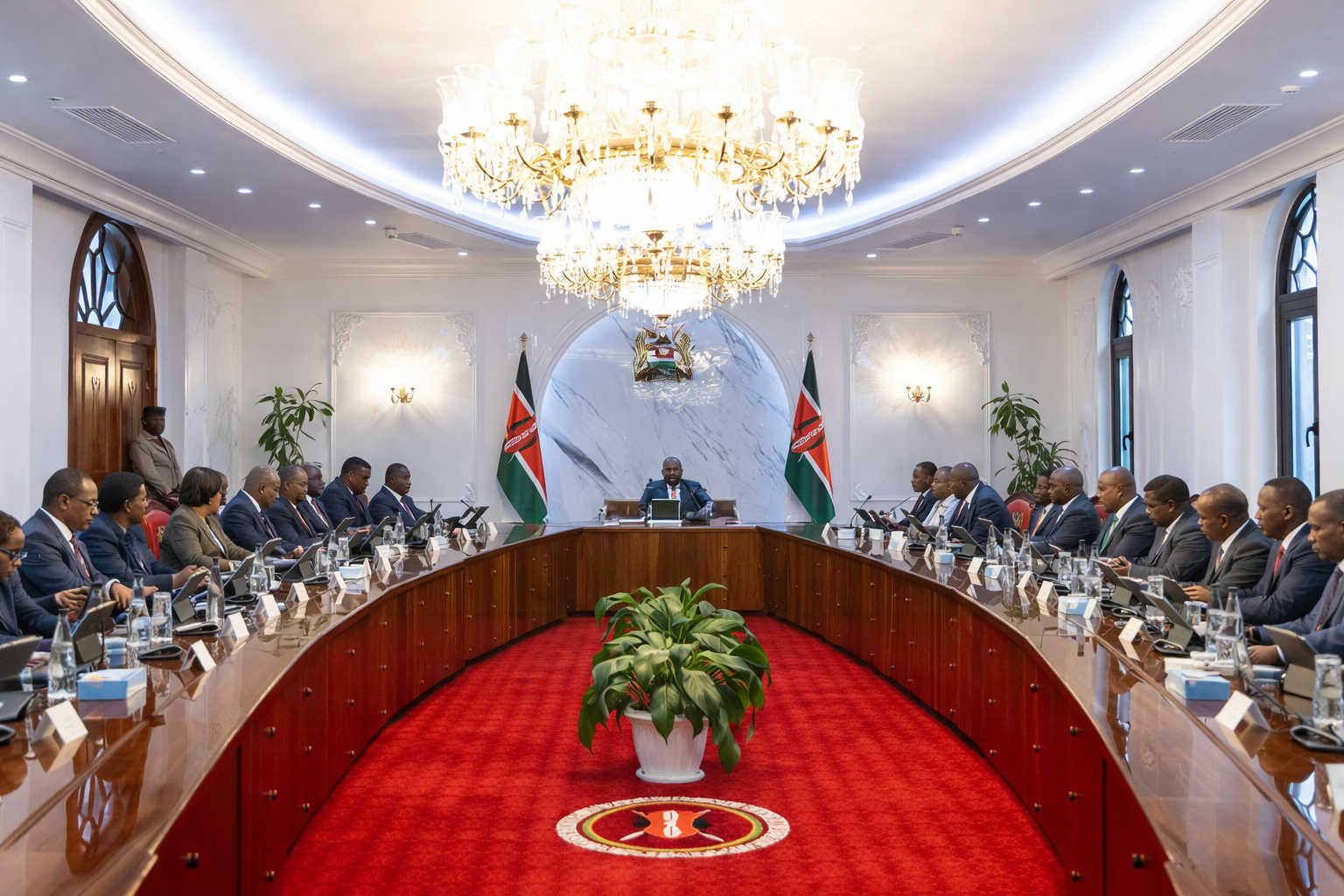
The Cabinet session, whose specific resolutions were not detailed in CS Miano's public communication, was characterised by the Tourism and Wildlife minister as producing outcomes that are both sweeping and transformative, a framing that reflects the government's broader narrative of structural economic reform as the underpinning of sectoral growth.
For the tourism and hospitality industry, which is acutely sensitive to the signals that sovereign stability, fiscal management, and investor confidence send to international markets, the quality of macroeconomic governance is not a peripheral concern but a direct determinant of arrivals, occupancy rates, and tourism receipts.
CS Miano's commentary after the meeting drew attention to the relationship between a resilient macroeconomy and a thriving hospitality sector, articulating what economists and tourism analysts have long documented: that destination competitiveness is shaped as much by currency stability, infrastructure investment, and business environment quality as it is by natural attractions or marketing spend.
A country navigating fiscal stress or economic uncertainty tends to experience a compounding disadvantage in the tourism market, as airlines reduce routes, tour operators reprice packages, and corporate travel buyers redirect conferences and incentive programmes to more stable destinations.
Kenya's tourism sector has in recent years demonstrated a capacity to recover from external shocks, posting successive growth in international arrivals and tourism earnings, a trajectory that the government has sought to support through targeted policy interventions such as evisa liberalisation, air connectivity expansion, and product diversification beyond the established wildlife safari circuit.
The durability of that growth depends on the macroeconomic conditions that Cabinet decisions help shape, making the link CS Miano drew between the meeting's outcomes and tourism performance analytically coherent rather than merely rhetorical.
The Ministry of Tourism and Wildlife's stated focus on elevating Kenya's global competitiveness and business confidence sits within a wider government ambition to reposition the country as a premier destination for both leisure tourism and meetings, incentives, conferences, and exhibitions traffic, a segment of the market that is particularly responsive to perceptions of economic governance, political stability, and the reliability of public and private service infrastructure.
Progress on these fronts requires sustained policy commitment across multiple ministries, and Cabinet solidarity around an economic reform agenda, to the extent it translates into implementable decisions, provides the institutional basis for that commitment.
Whether the Cabinet's approvals deliver the macroeconomic outcomes that CS Miano described as vital for the hospitality sector will become evident over time through investment flows, credit ratings, business sentiment surveys, and ultimately through tourism arrival and earnings data, metrics that will offer a more precise measure of the relationship between Cabinet decisions and the performance of an industry that remains one of Kenya's most consequential foreign exchange earners.