The translocation of 56 hippos from the Mukindu public dam in Nyandarua Central marked a turning point in a human wildlife conflict crisis that has persisted since 2023, when the drying of Lake Ol'bolossat forced the animals out of their natural habitat and into a three acre unfenced community dam.
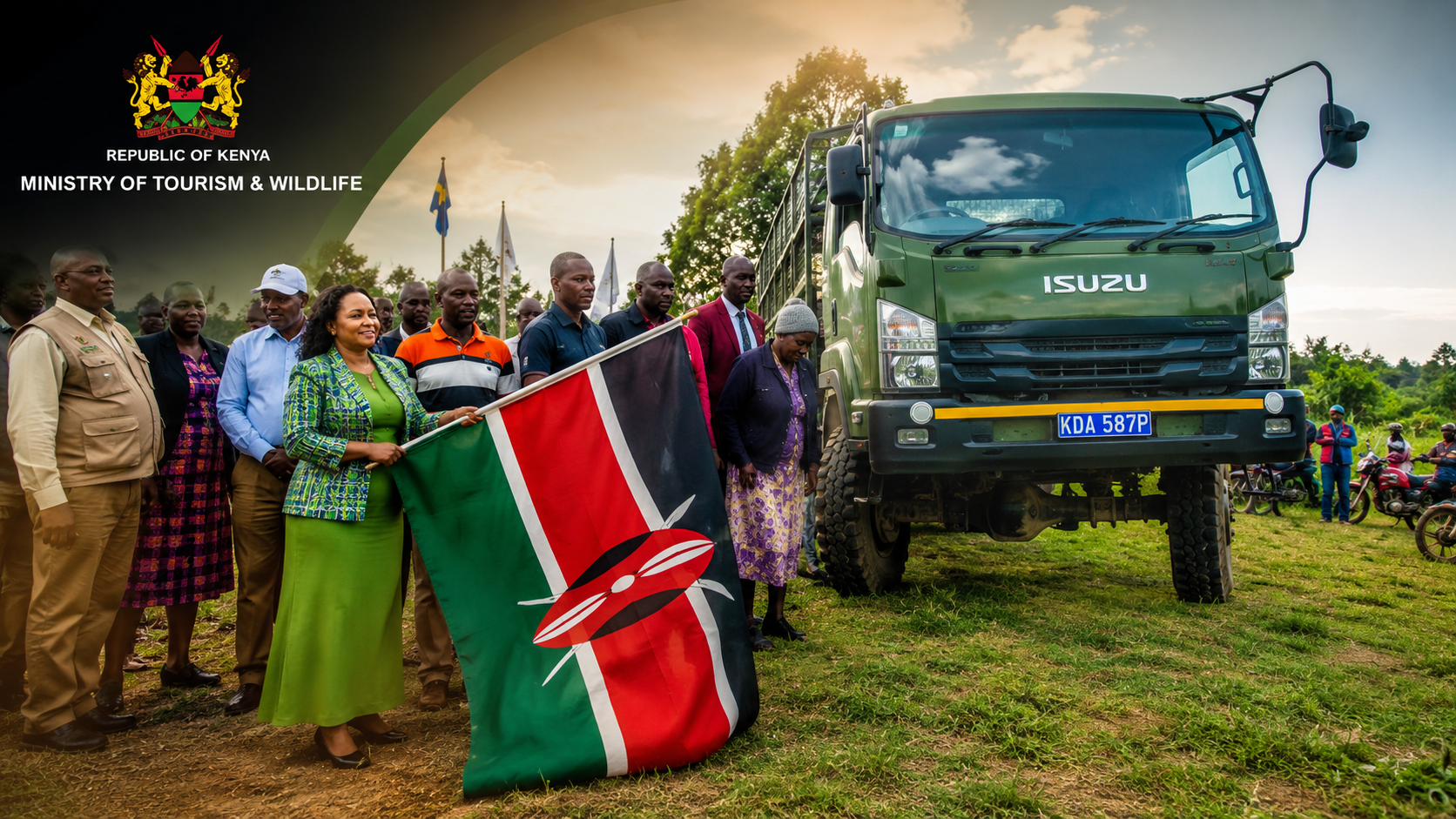
Cabinet Secretary Rebecca Miano officially launched the operation, led by the Kenya Wildlife Service and Wildlife Kenya, describing it as the beginning of a lasting solution for residents who have endured years of dangerous coexistence with large wildlife.
Lake Ol'bolossat, the only freshwater lake in Kenya's central highlands and a critical water source for the surrounding landscape, experienced severe drying in 2023, stripping the hippos of the deep water habitat they require for thermoregulation and refuge.
Driven by survival instincts into the nearest available water body, the entire local population of 56 animals converged on the Mukindu dam, a facility built to serve community agricultural and domestic needs rather than to contain large wildlife.
The animals regularly encroached on surrounding farms and residential areas from the three acre dam, placing lives and livelihoods at risk every day. The presence of 56 hippos in a confined community setting for more than two years translated into recurring crop destruction, property damage, and the kind of daily anxiety that households living alongside dangerous wildlife cannot sustain indefinitely without psychological and economic toll.
The translocation operation involves specialised equipment and technical expertise that the KWS teams bring to the exercise, a capability that is essential given the physical size and unpredictability of hippopotamuses, which are among the most dangerous large mammals in Africa.
Relocating 56 animals from a confined community setting to a more suitable habitat demands meticulous planning across veterinary, logistics, and security dimensions.
The Ministry of Tourism and Wildlife, working in collaboration with the Community Wildlife Compensation Committee, has committed to processing all genuine cases of crop damage and property loss fairly and without delay, a commitment that acknowledges the financial burden the crisis has imposed on farming households whose agricultural output forms the foundation of their livelihoods.
The Mukindu case raises broader questions about Kenya's preparedness for human wildlife conflict scenarios that climate change is likely to generate with greater frequency.
Lake Ol'bolossat's drying is consistent with reduced rainfall patterns that climate projections indicate will affect Kenya's highland water bodies, requiring the government to maintain a standing capacity for rapid translocation and conflict response.
The successful completion of the Mukindu operation will depend on the receiving habitat's suitability for a population of 56 hippos, the community's access to the compensation it has been promised, and the longer term monitoring arrangements that ensure the translocated animals do not themselves become a source of conflict in their new location.
CS Miano's framing of the exercise as a commitment to restoring peace, safety, and economic stability to Mukindu sets a standard against which the full outcome of the operation will ultimately be measured.