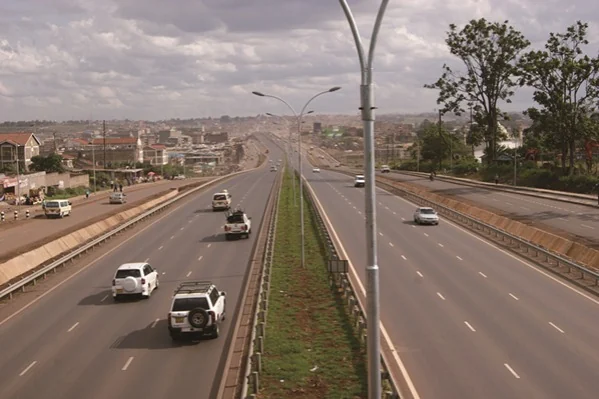
The National Treasury has placed the Nairobi–Thika–Juja–Kenol–Sagana–Marua highway among proposed Public-Private Partnership projects, with an estimated cost of KSh100 billion and a view that motorists could start paying tolls once the scheme reaches financial close in the 2028/29 fiscal year.
The 2027 Budget Policy Statement describes the initiative as a user-pay model, meaning toll collections will be the primary source of revenue for the private investor.
The contract is expected to span 30 years and the government is aiming for financial close in the fiscal year that begins in July 2028.
Treasury officials have not disclosed the specific toll rates, charging locations or the exact date when payments will commence, and the project is still awaiting final approval.
Under the user-pay arrangement the private party will collect tolls and bear commercial and demand risks, with no Government payment or contingent liability to Government, according to Treasury. “User-pay projects without Government support: the private party bears the commercial and demand risks and there is no Government payment or contingent liability to Government.”
Treasury also stated that “Public Private Partnerships (PPPs) remain an important mechanism for mobilizing private sector capital, expertise and innovation for the delivery of public infrastructure and services.”
The Treasury estimates a cumulative maximum contingent liability exposure of up to KSh120 billion in both FY 2028/29 and FY 2029/30, describing this as a projected fiscal risk rather than a confirmed payment.
The proposal follows the Nairobi Expressway, which already operates under a similar toll-funded model, and joins other planned toll projects such as the Mombasa Northern Bypass and the Nairobi Southern Bypass, the latter covering operation, maintenance and tolling.
Treasury officials say PPP projects will undergo assessments for affordability, value for money and potential financial obligations, noting that the planned charges may raise questions about affordability for daily commuters, public service vehicle operators and goods-transport businesses.
The targeted 2028/29 financial close remains subject to the necessary approvals and the completion of the project’s contractual arrangements.