At a KRA Citizen Assembly held at Murang’a University on November 17, the Kenya Revenue Authority called on farmers who supply produce to factories and other businesses to start using the Electronic Tax Invoice Management System (eTIMS) reverse invoicing feature.
Commissioner for Micro and Small Taxpayers George Obell explained that the system lets a purchasing business create a tax invoice on behalf of a farmer, thereby recording the sale in eTIMS and providing the documentation needed for expense claims.
Obell urged any farmer encountering difficulties with the process to contact a KRA office or use the Authority’s official communication channels for support.
The Authority acknowledged that some taxpayers have faced invoice-reconciliation inconsistencies, especially where transactions occurred before full integration of eTIMS with other platforms.
KRA said it is enhancing the linkage between eTIMS, the iTax platform and additional government systems to improve transaction visibility and reduce reconciliation problems, and asked those with unresolved invoice cases to submit details for technical review.
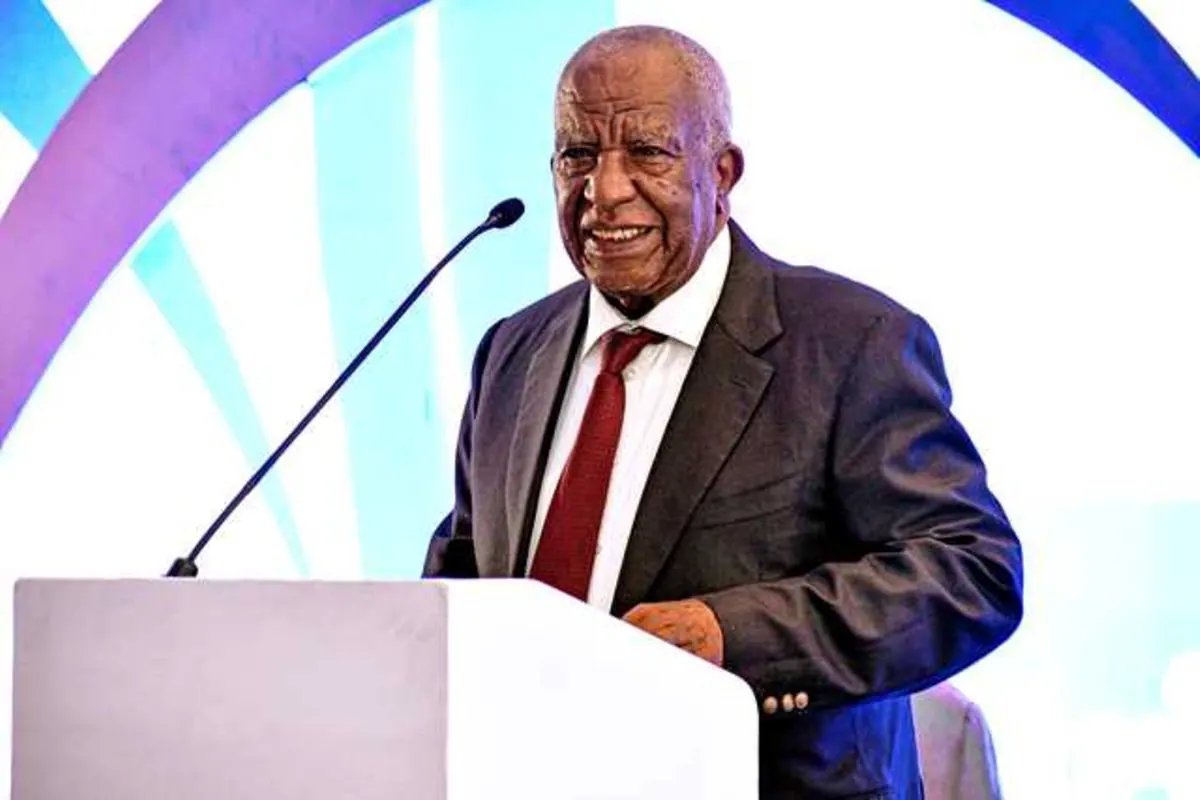
Board Chairman Hon Ndiritu Muriithi highlighted ongoing taxpayer-education efforts, noting that tax content has been incorporated into the school curriculum from Grade One to Grade Nine in partnership with the Kenya Institute of Curriculum Development, alongside tax clubs and university excellence programmes.
Responding to questions on VAT refunds, KRA reported a monthly processing capacity of roughly KSh3 billion for legitimate claims and said the Green Channel validation has cut the turnaround time for qualifying refunds to about five days, while still maintaining checks against fraud.
The Murang’a meeting forms part of KRA’s nationwide Citizen Assembly programme, which aims to give taxpayers and businesses a platform to raise issues, seek clarification and help shape a tax system built on simplicity, fairness, transparency and efficient service delivery.