Tourism Cabinet Secretary Rebecca Miano has aligned Kenya’s tourism strategy with the national conversation on development beyond 2030. Her position comes as the country begins discussions on a successor framework to Vision 2030. The process seeks to establish long term national priorities beyond the current development blueprint.
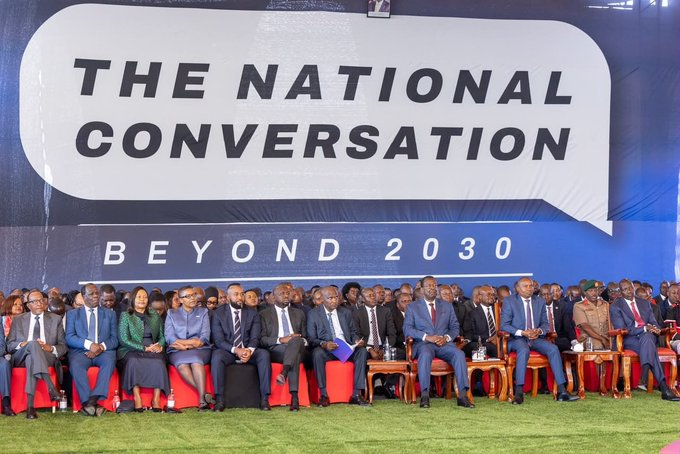
The Beyond 2030 National Conversation formally opened on August 12 at the Kenyatta International Convention Centre in Nairobi. President William Ruto brought together more than 5,000 participants drawn from all 47 counties. The gathering brought government leaders together with representatives from different sectors of Kenyan society.
The conversation follows Ruto’s July 30 national address calling for a new development charter. He said Kenya needed a people driven process to shape its direction after Vision 2030. The consultations are intended to draw views from business, professionals, academia, civil society and young people.
The President said the proposed framework should examine what worked under Vision 2030 and what fell short. He also linked the exercise to economic transformation, improved prosperity and stronger long term planning. Proposals prepared by a team led by Professors Hiroyuki Hino and Anyang’ Nyong’o are expected to inform the wider public debate.
For tourism, the emerging national agenda creates a wider policy setting for sector planning. Miano said the Ministry of Tourism and Wildlife would align its strategic vision with the Beyond 2030 process. She described tourism as an economic activity closely connected to cultural identity, natural heritage and community empowerment.
Conservation is central to the direction outlined by the Cabinet Secretary for the period beyond 2030. She said Kenya must safeguard its wildlife and ecosystems for future generations. That objective has direct economic relevance because the country’s natural assets remain central to its tourism proposition.
Miano also identified ecotourism, cultural heritage, sports and cruise tourism as areas for future expansion. The strategy would broaden Kenya’s tourism offering beyond its established wildlife and coastal experiences. It could also create new opportunities for counties with distinctive cultural, environmental and recreational assets.
The proposed expansion places local communities, youth and micro, small and medium enterprises within the tourism value chain. Miano said future growth should create opportunities across the country rather than concentrate benefits in established destinations. That approach could strengthen local enterprise if investment, infrastructure, skills and market access develop alongside new tourism products.
The sector already has a policy foundation for sustainable tourism development through the Ministry’s 2023 to 2027 strategic plan. That plan calls for unique tourism products, stronger visitor experiences and sustainable management of tourism and wildlife resources. It also identifies innovation and data driven decisions as important elements of sector development.
The latest tourism strategy therefore extends several existing policy priorities into the post 2030 debate. Miano’s emphasis on conservation, diversification and inclusion gives the sector a clear place within wider national planning. The approach also reflects the economic need to develop tourism products that can attract visitors while supporting communities and enterprises.
The broader Beyond 2030 process will determine how these sector priorities fit within Kenya’s eventual development framework. The national conversation is expected to examine proposals before a final long term plan takes shape. For tourism, its outcome could influence investment priorities, conservation policy and the distribution of economic opportunities across the country.