Livestock actors in North Eastern Kenya expressed support for two draft policies – a Livestock Policy and a Veterinary Policy – that aim to tackle long-standing problems in the region.
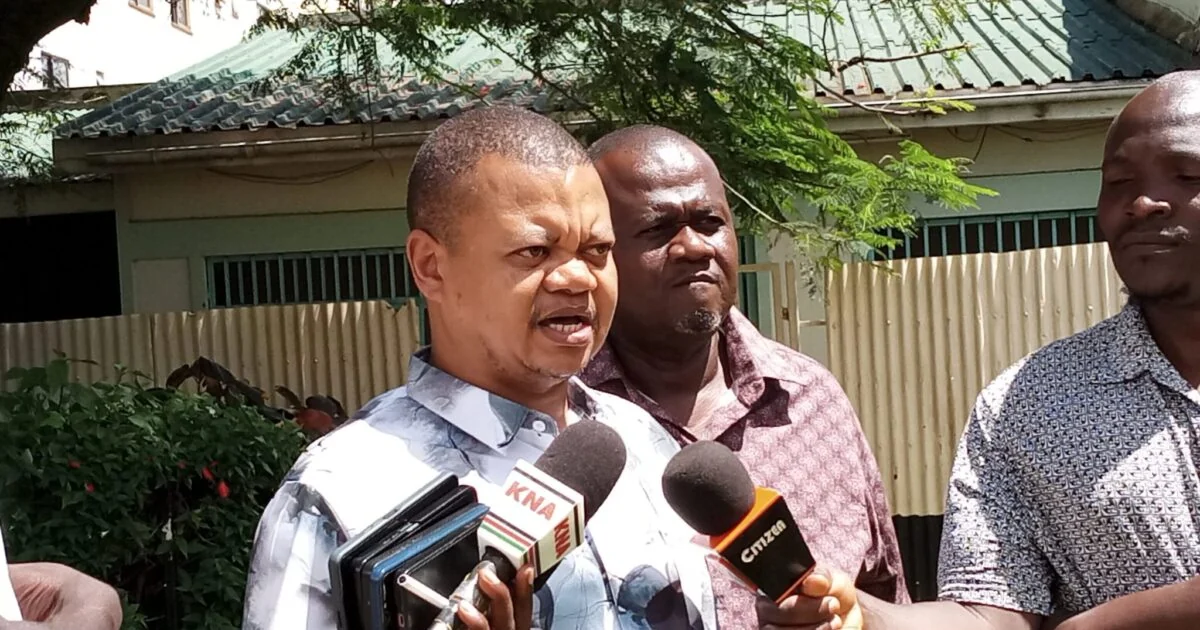
The State Department for Livestock Development convened a stakeholder consultation in Garissa County, using the event to gather public input for Session Paper No 2 on the Veterinary Policy and Session Paper No 3 on the Livestock Policy.
If adopted, the proposals are intended to improve disease control, raise livestock productivity, open market opportunities and enhance resilience to climate-related shocks.
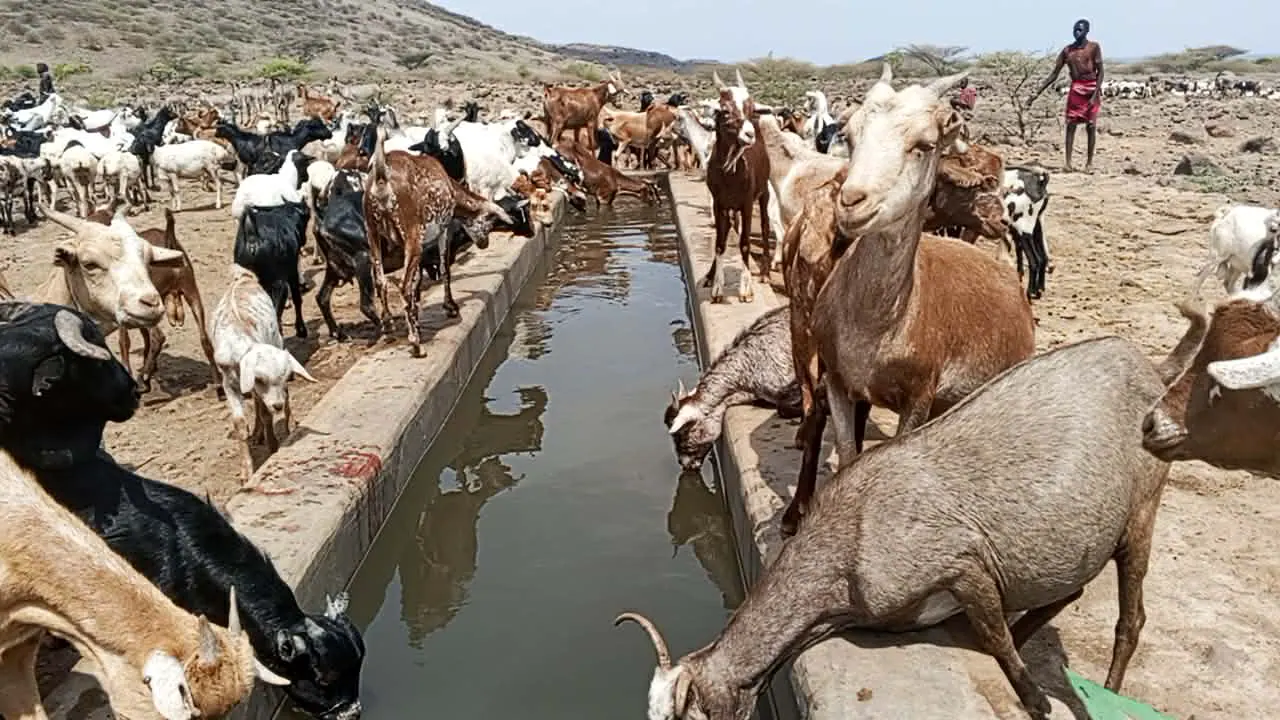
Participants highlighted key measures such as the creation of strategic livestock feed reserves, rehabilitation of degraded rangelands, stronger disease surveillance and the introduction of livestock insurance as vital for transforming production in arid and semi-arid areas.
Abdi Bashir Maalim of the Wajir County Government’s Department of Livestock said the feed-reserve plan would be a major breakthrough for pastoralists facing prolonged drought, adding, “One of the major issues this policy seeks to address is livestock feed shortages. The establishment of strategic livestock feed reserves will be a game changer for Northern Kenya because it will ensure that farmers and pastoralists have access to animal feeds during drought and other emergencies.” He also welcomed the rangeland restoration component, stating, “The policy proposes land restoration interventions, including reseeding programmes and the provision of certified pasture seeds to support the regeneration of degraded rangelands. These interventions are particularly important for counties in Northern Kenya, where livestock production is heavily dependent on natural grazing resources.”
Dr Luke Kamau, a veterinary officer with the Wajir County Government, said the frameworks would clarify county responsibilities and boost capacity to deliver veterinary and livestock services, noting, “The two policies will go a long way in strengthening the capacity of county governments to deliver these essential services. Their implementation will significantly improve how we respond to livestock diseases, report outbreaks, conduct disease surveillance and deliver animal welfare services.” He added that better veterinary oversight would also protect food safety and curb zoonotic disease transmission.
At the national level, Thomas Ogola of the Directorate of Livestock Policy, Research and Regulation explained that the Veterinary Policy will focus on animal health, welfare, disease prevention, surveillance, food safety and veterinary public health, while the Livestock Policy will address production, productivity, marketing, infrastructure and sector sustainability. He identified emerging and re-emerging diseases, limited surveillance resources, weak diagnostic capacity and service delivery challenges as the main constraints the policies seek to overcome.