Kenya is seeking to broaden its tourism appeal through diversified visitor experiences, stronger regional cooperation and continued infrastructure development.
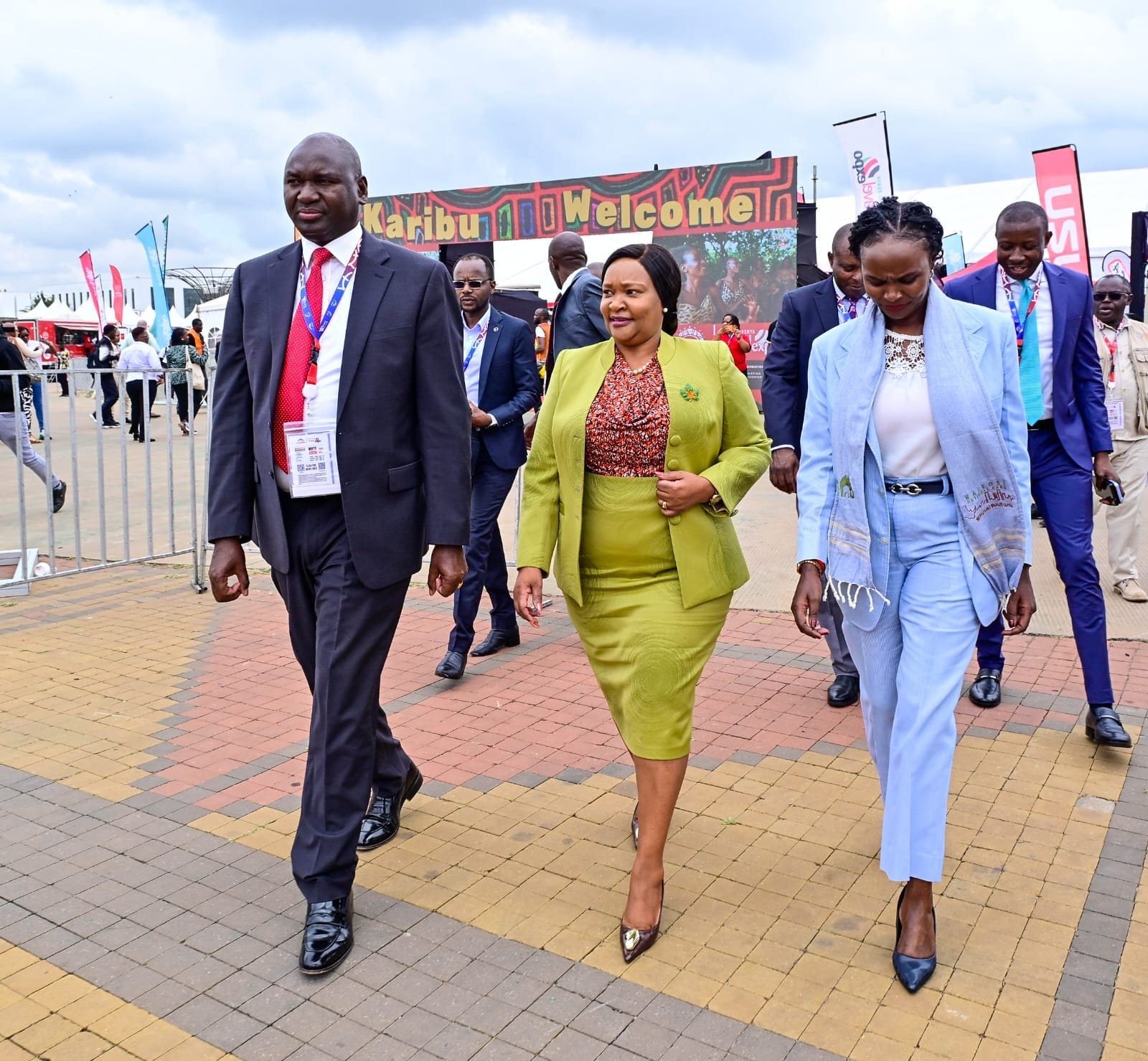
These priorities featured during the 16th Magical Kenya Travel Expo, MKTE 2026, where Tourism and Wildlife Cabinet Secretary Rebecca Miano assessed participation from international buyers and tourism operators.
The event brought together more than 10,000 delegates and over 250 international buyers from more than 40 countries. This participation reflects commercial interest in Kenya’s tourism industry and provides opportunities for businesses to develop international relationships.
The expo brought together established tourism businesses and younger innovators working across hospitality and destination services.
Their participation reflects an industry balancing experience with new approaches to attracting travellers and developing tourism products.
For operators, the event offers opportunities to establish business relationships, connect with overseas buyers and explore new markets.
The commercial benefits will depend on whether these engagements generate bookings, investment and sustained demand beyond the exhibition period.
Kenya’s tourism offering extends beyond wildlife safaris and coastal holidays, with cultural experiences, sports and adventure tourism providing additional opportunities for growth. The meetings, incentives, conferences and exhibitions sector, commonly known as MICE, also attracts business travellers and event organisers.
Diversification can help tourism businesses reach different customer segments and create demand throughout the year. Its success will depend on product quality, reliable transport connections and the capacity to meet international visitor expectations.
Infrastructure development remains part of the government’s wider tourism growth agenda, with President William Ruto receiving Miano’s acknowledgement for his leadership. Modern transport links and improved access to destinations can make travel more convenient for visitors.
These improvements can also support businesses operating beyond established tourism centres. Their economic value will depend on effective implementation, appropriate investment and the ability to convert improved connectivity into increased visitor spending.
Regional cooperation was another feature of the expo, with Uganda’s State Minister for Tourism, Susan Nakawuki, joining the event. Miano acknowledged Uganda’s contribution to regional tourism and the relationship between the two countries.
The engagement reflects efforts to strengthen cross border partnerships and encourage travel across East Africa. Joint destination marketing and coordinated travel circuits could help international visitors experience several countries within one itinerary, creating opportunities for businesses across the region.
The regional approach also offers scope for tourism operators to develop complementary packages linking wildlife, coastal, cultural and adventure experiences. Such arrangements could encourage longer stays and distribute visitor spending across more destinations.
Achieving these outcomes requires cooperation between tourism authorities, transport providers and private operators. Practical arrangements must make cross border travel accessible, reliable and attractive to international customers.
Miano also thanked the teams responsible for planning the expo, alongside marketers and exhibitors who supported its delivery. She encouraged visitors to extend their stays beyond the exhibition and explore Kenya’s national parks and other attractions.
The appeal reflects a broader commercial objective of converting industry events into additional bookings for tourism businesses. Ultimately, MKTE’s value will depend on the partnerships it creates, the visitors it attracts and the economic opportunities generated for communities across Kenya.