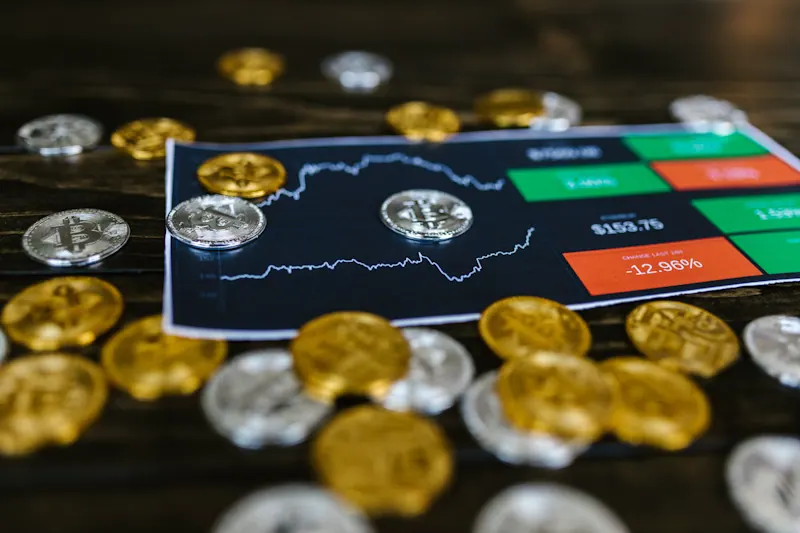
On Friday November 13 the Central Bank of Kenya (CBK) and the Capital Markets Authority (CMA) announced that the Virtual Asset Service Providers Regulations, 2026, have been gazetted, making a licence mandatory for all crypto businesses in Kenya after the transition period ended on November 4.
The regulations, published as Legal Notice No. 134 in Kenya Gazette Supplement No. 185 on July 22, 2026, require each platform that enables Kenyans to buy, sell or transfer digital assets to obtain a licence from either the CBK or the CMA, depending on the services offered.
Businesses must apply to the regulator that covers their activity as set out in the First Schedule of the Virtual Asset Service Providers Act, 2025 (Act No. 20 of 2025), which was gazetted on October 21, 2025 and came into force on November 4, 2025.
TL Advocates, a law firm, notes that exchanges, custodians and brokers fall under the CMA, while stablecoin issuers are supervised by the CBK, and each category faces specific minimum paid-up capital requirements: KSh100 million for exchanges, KSh10 million for brokers and KSh300 million for stablecoin issuers.
The regulators warned that operating without a licence after November 4 constitutes a crime, and they have directed firms to consult the licensing checklists posted on their respective websites.
The CBK said it will publish lists of approved providers once licences are granted, although no date has been set for the first list.
Chainalysis data show that Kenyans received crypto assets worth KSh700 billion in the year to June 2026, up from KSh506 billion the previous year.
The National Treasury has drafted an Unclaimed Financial Assets National Policy that would allow dormant cryptocurrencies and stablecoins to be treated like dormant bank accounts, shares and insurance benefits under the Unclaimed Financial Assets Authority.
The Treasury argues that the existing unclaimed assets framework does not cover digital assets and seeks to broaden the range of assets that can be surrendered to the Authority.