Moja Expressway, the private firm that financed and operates the Nairobi Expressway, recorded a loss of KSh5.1 billion for 2025.
The loss came after the company generated KSh9.63 billion in revenue but incurred KSh14.73 billion in costs, according to the National Treasury’s fifth annual report on public-private partnerships published on November 16, 2026.
Traffic on the toll road increased, with 7,209,038 vehicles recorded between July and September 2025 and 7,359,277 between April and June 2026, roughly 80,000 vehicles per day.
The latter quarter was about 15 per cent busier than the same period a year earlier, when 6.42 million vehicles used the expressway.
Treasury Cabinet Secretary John Mbadi told a television interview on November 17, 2026 that “Financial statements don’t mean much unless now you go deeper to understand why are the direct costs rising”.
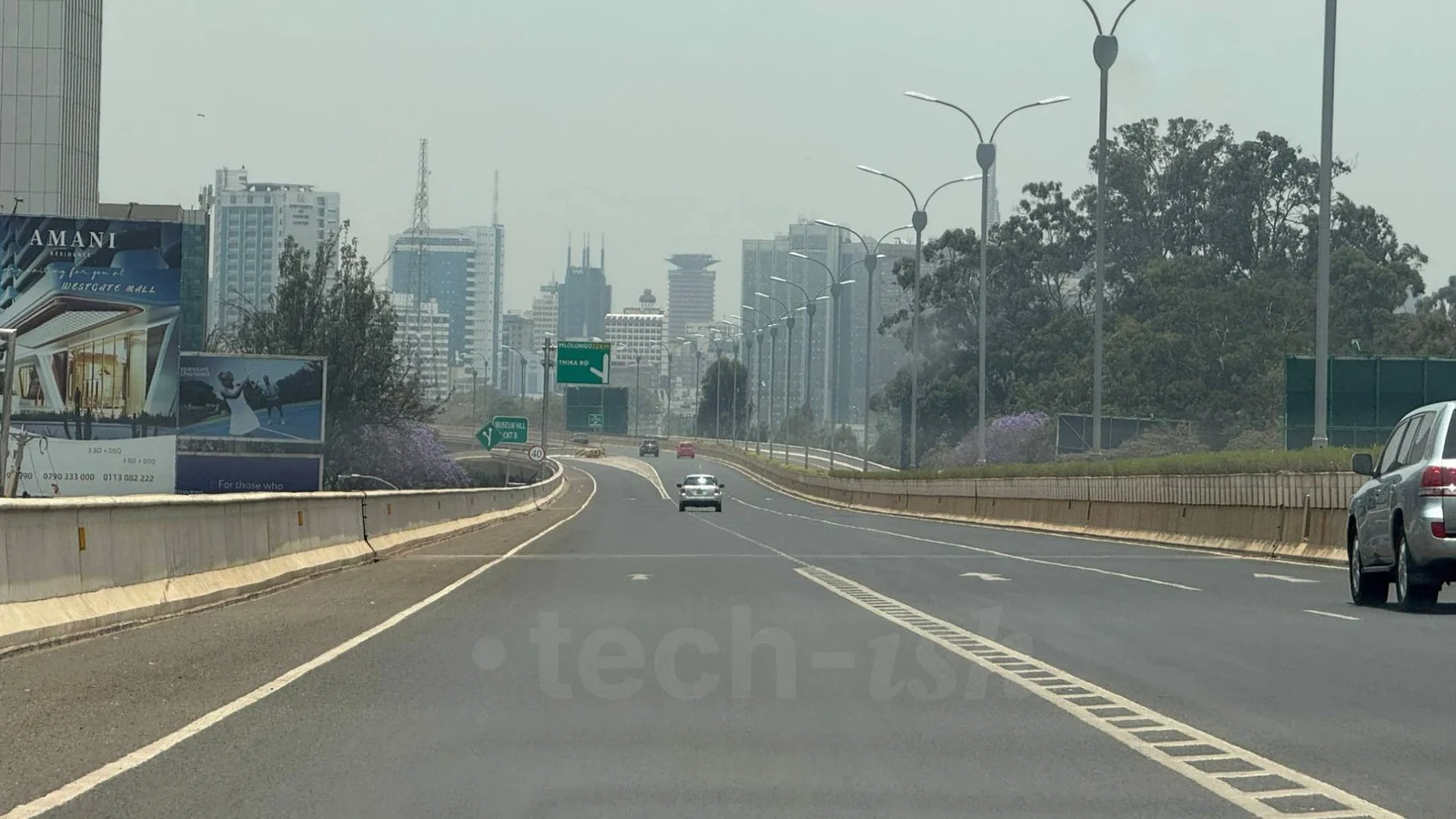
The Nairobi Expressway is a 27.1 km dual-carriageway built along the A8 from Mlolongo on Mombasa Road to James Gichuru Road on Waiyaki Way.
The project was proposed by China Road and Bridge Corporation (CRBC) and built, financed and operated by its Kenyan subsidiary Moja Expressway under a 30-year contract with the Kenya National Highways Authority (KeNHA).
The road cost US$667.8 million, equivalent to about KSh86.8 billion at KSh129.97 to the dollar on November 19, 2026, and opened on May 14, 2022.
Toll collections are Moja Expressway’s sole source of revenue, and the company bears any shortfall, a point Mbadi emphasised as meaning the loss does not directly affect the national budget.
Auditors signed off the accounts as a “true and fair view” and the directors expect the firm to continue operating despite the loss.
The Treasury report notes that an early termination of the PPP could trigger a worst-case payment of KSh87.6 billion as at June 2026, with a contingent liability of KSh24 billion based on a 6 per cent probability of early termination.
Cash-paying motorists took an average of 33 seconds to exit in the second half of 2025 and 26-27 seconds in the first half of 2026, while electronic-tag users passed a gate in about three seconds each way.
The report shows Moja Expressway’s direct costs rose by KSh8.9 billion since the 2023/24 accounts, outpacing the KSh5 billion increase in revenue, but provides no breakdown of the cost drivers.