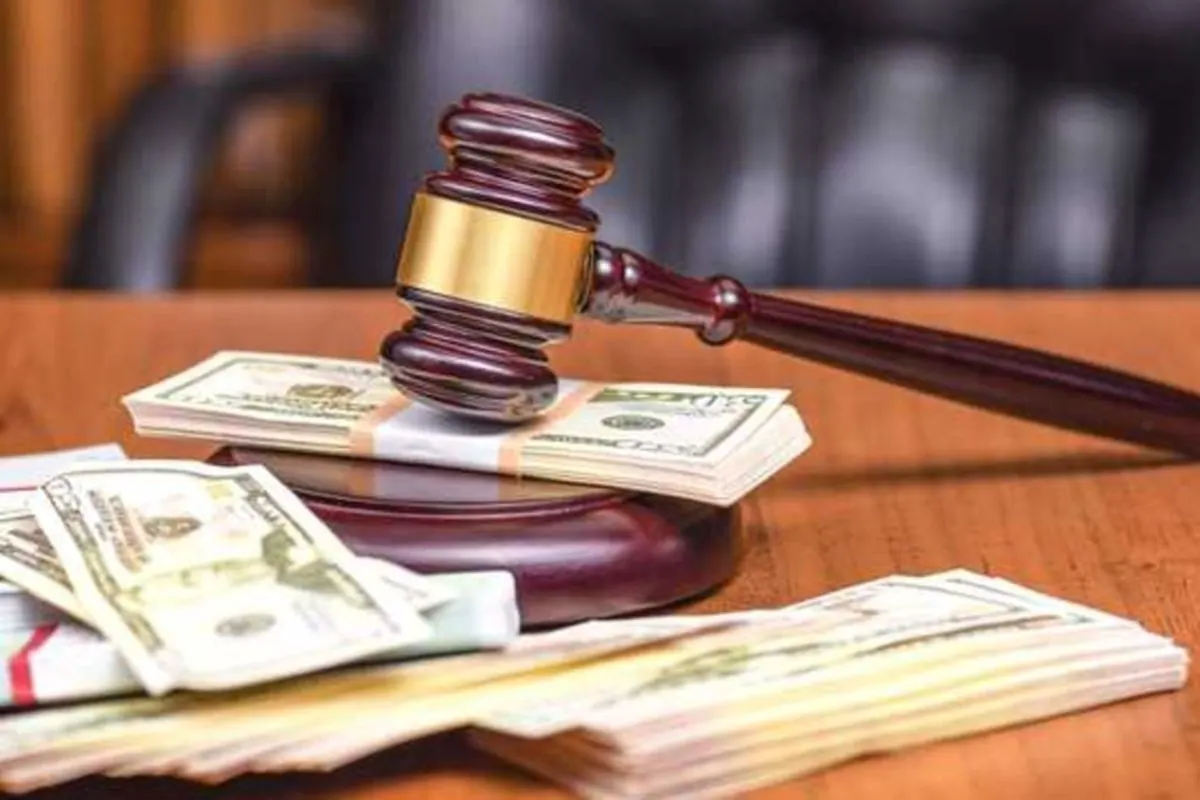
Court-annexed mediation settled commercial disputes worth KSh14.73 bn in the year to June 2026, according to the State of the Judiciary and Administration of Justice report for 2025/2026. The figure is lower than the KSh26.59 bn settled in the preceding year when 6,573 cases were mediated.
The report records that 11,650 cases were sent to mediation, a rise of 77 per cent on the 6,573 cases referred in 2024/2025. Mediators concluded 11,164 matters, giving a 96 per cent conclusion rate. Of those, 5,609 ended in full agreements, 960 in partial agreements and 71 in consent settlements.
The High Court contributed the largest share, referring disputes valued at KSh12.73 bn and achieving agreements covering KSh7.52 bn. Magistrates’ Courts referred KSh7.48 bn and recorded settlements of KSh5.57 bn. The Environment and Land Court referred KSh1.27 bn with agreements of KSh449.7 m, while the Employment and Labour Relations Court referred KSh129.7 m and settled KSh47.5 m.
Launched in 2016, the mediation programme aims to resolve each case within 60 days and draws on at least 1,515 accredited mediators nationwide. The judiciary pays a flat fee of KSh20,000 per case to mediators, irrespective of the dispute’s value.
The judiciary said that court-annexed mediation and Alternative Justice Systems provide “a quicker, cheaper and less adversarial way to resolve their disputes”, enhancing access to justice and cutting case-processing time.
In the Small Claims Court, 60,155 new cases were received and 72,026 were resolved, with debt-recovery filings accounting for 29,979 cases. The court’s pending caseload fell from 33,141 to 17,102, a reduction of about 48 per cent.
Despite a 103 per cent clearance rate for the overall courts, 341,412 matters remained pending for more than a year as of June 30, 2026, and 274,478 adjournments were recorded, the leading cause being witness absence.
The judiciary’s budget for the year was KSh27.15 bn, 19 per cent higher than the previous year but still KSh12.95 bn below the assessed requirement, representing 0.93 per cent of the national budget against a three per cent target. The shortfall limited spending on court construction, refurbishment, technology and modernisation.