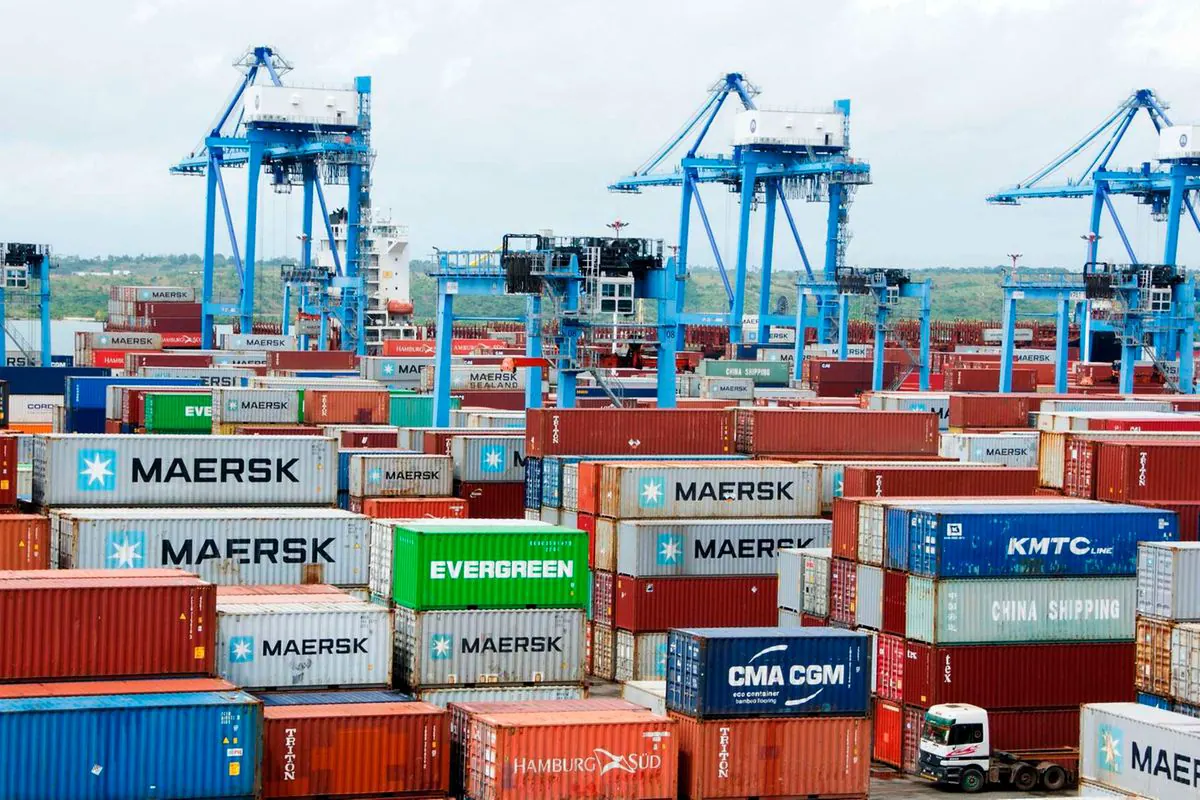
From November 1, 2026 the Kenya Revenue Authority (KRA) will refuse to clear cargo imports that do not carry a locally-issued marine insurance policy.
The tax authority, working with the Insurance Regulatory Authority (IRA), said the mandatory Digital Marine Cargo Insurance (MCI) will be enforced on that date following earlier notices.
Importers and clearing agents are required to secure a valid MCI policy from an insurer licensed by the IRA and to link the policy to a digital certificate before lodging an Import Declaration Form.
The digital platform connects insurers, the IRA, eCitizen payment services and KRA’s customs system, allowing the insurance premium to be paid electronically and the certificate to be transmitted to KRA for verification.
The government first intended to roll out the mandatory digital insurance in February 2025, later moved the start date to July 1, 2026, and subsequently extended it to November 1, 2026.
Officials said the measure is designed to keep billions of shillings in insurance premiums within Kenya and to curb the estimated loss of more than KSh70 billion of marine insurance business to foreign underwriters each year, a figure that has not been independently verified.
The requirement is based on Section 16A of the Marine Insurance Act and Section 20(4) of the Insurance Act, which limit marine cargo cover to insurers licensed under the Insurance Act.
The National Treasury instructed the IRA to collaborate with KRA and Safaricom to build the digital system, which is expected to improve transparency, strengthen regulatory oversight and reduce the use of fraudulent insurance documents.
Insurers that have signed up to the platform include APA General Insurance, Britam General Insurance, CIC General Insurance, Old Mutual General Insurance, Pacis Insurance and Dynamique Insurance.
Clearing and forwarding agents have voiced concerns about the extra cost and administrative burden, with Mombasa-based agent John Mwashinga warning that “it will come with the cost, and it has to be transferred to the final user; we cannot bear it alone.”
Importers will need to review existing CIF contracts with overseas suppliers to avoid duplicate cover and to ensure compliance with the new digital insurance requirement.
The change could affect manufacturers importing raw materials and machinery, traders bringing consumer goods and motor-vehicle dealers whose consignments rely on timely customs clearance.
The government argues that the reforms will create new opportunities for local insurers by increasing premium income and giving them greater participation in risks linked to international trade, while also providing policyholders with insurers operating under Kenya’s regulatory framework.