The circulation of a viral video allegedly depicting the destruction of Giant Lobelias in Kenya’s high-altitude ecosystems has triggered a formal investigation by conservation authorities, drawing renewed attention to the vulnerability of the country’s afro-alpine biodiversity and the mounting pressures confronting fragile mountain habitats that support some of East Africa’s rarest plant species.
The Kenya Wildlife Service (KWS) said it had commenced investigations to verify the authenticity of the footage, establish the location where the alleged incident occurred and identify those responsible, with the agency indicating that legal action would follow should evidence confirm unlawful interference with protected flora.
The development has placed a spotlight on conservation enforcement within ecosystems that are increasingly valued not only for their environmental importance but also for their contribution to tourism, water catchment protection and long-term ecological resilience.
KWS acknowledged the role played by members of the public in bringing the matter to its attention, describing citizen reporting as an important component of conservation monitoring across protected landscapes.
“We appreciate the vigilance of members of the public who brought this matter to our attention and we value the trust placed in the Service’s conservation mandate,” said the Kenya Wildlife Service.
The agency noted that public participation continues to strengthen efforts aimed at safeguarding wildlife, plant species and sensitive habitats spread across the country’s protected areas.
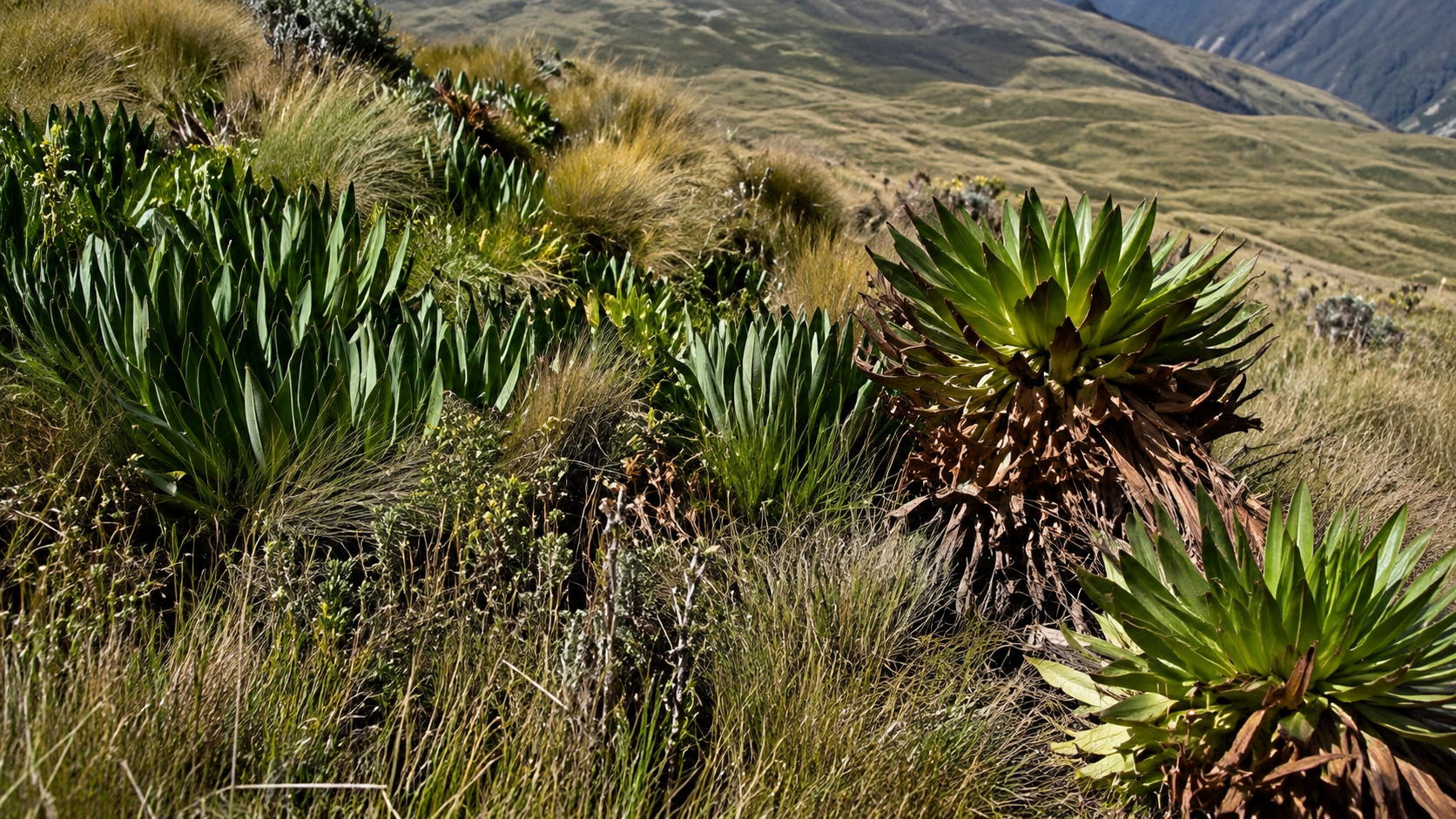
At the centre of the investigation is Lobelia telekii, commonly known as the Giant Lobelia, a distinctive plant species found in Kenya’s afro-alpine zones on mountains such as Mount Kenya, the Aberdare Range and Mount Elgon.
Adapted to extreme environmental conditions characterised by freezing night temperatures, intense solar radiation and low oxygen levels, the species has become one of the defining features of Kenya’s high-altitude landscapes.
Ecologists regard these plants as critical components of mountain ecosystems due to their slow growth rates and their role in sustaining ecological processes within harsh alpine environments.
Beyond their botanical value, Giant Lobelias support broader ecosystem functions that influence environmental stability across mountain regions.
Conservation experts note that the plants provide habitats for insects and other small organisms, contribute to soil retention and form part of a complex biodiversity network that supports the health of alpine ecosystems.
Any damage to such species therefore carries implications that extend beyond the loss of individual plants, affecting ecological relationships that have developed over long periods within highly specialised environments.
KWS warned that interference with protected plant species constitutes an offence under Kenya’s wildlife and environmental laws and cautioned against actions that threaten ecosystems already experiencing pressure from human activity and changing climatic conditions.
“The Service strongly cautions against the destruction or unlawful interference with protected wildlife, plants, and sensitive ecosystems, as such actions threaten Kenya’s natural heritage and ongoing conservation efforts,” said the Kenya Wildlife Service.
The agency stated that it is working with relevant stakeholders to ensure any breaches are investigated comprehensively and addressed through established legal and conservation frameworks.
Environmental specialists have also raised alarm over the alleged incident, observing that even isolated cases of habitat degradation can produce lasting effects on slow-growing alpine species whose recovery periods may span many years.
As investigations continue, KWS has reiterated its commitment to protecting Kenya’s biodiversity and preserving ecosystems regarded as nationally and globally important natural assets.
“We remain committed to safeguarding Kenya’s biodiversity and ensuring that all ecosystems are protected for present and future generations,” said the Kenya Wildlife Service.