A youth capacity building and training programme focused on artificial intelligence and technology applications in Kenya's tourism and conservation sectors reached its official close in Nyandarua County, with Cabinet Secretary Rebecca Miano presiding over the graduation ceremony alongside Cabinet colleague Eric Mugaa.
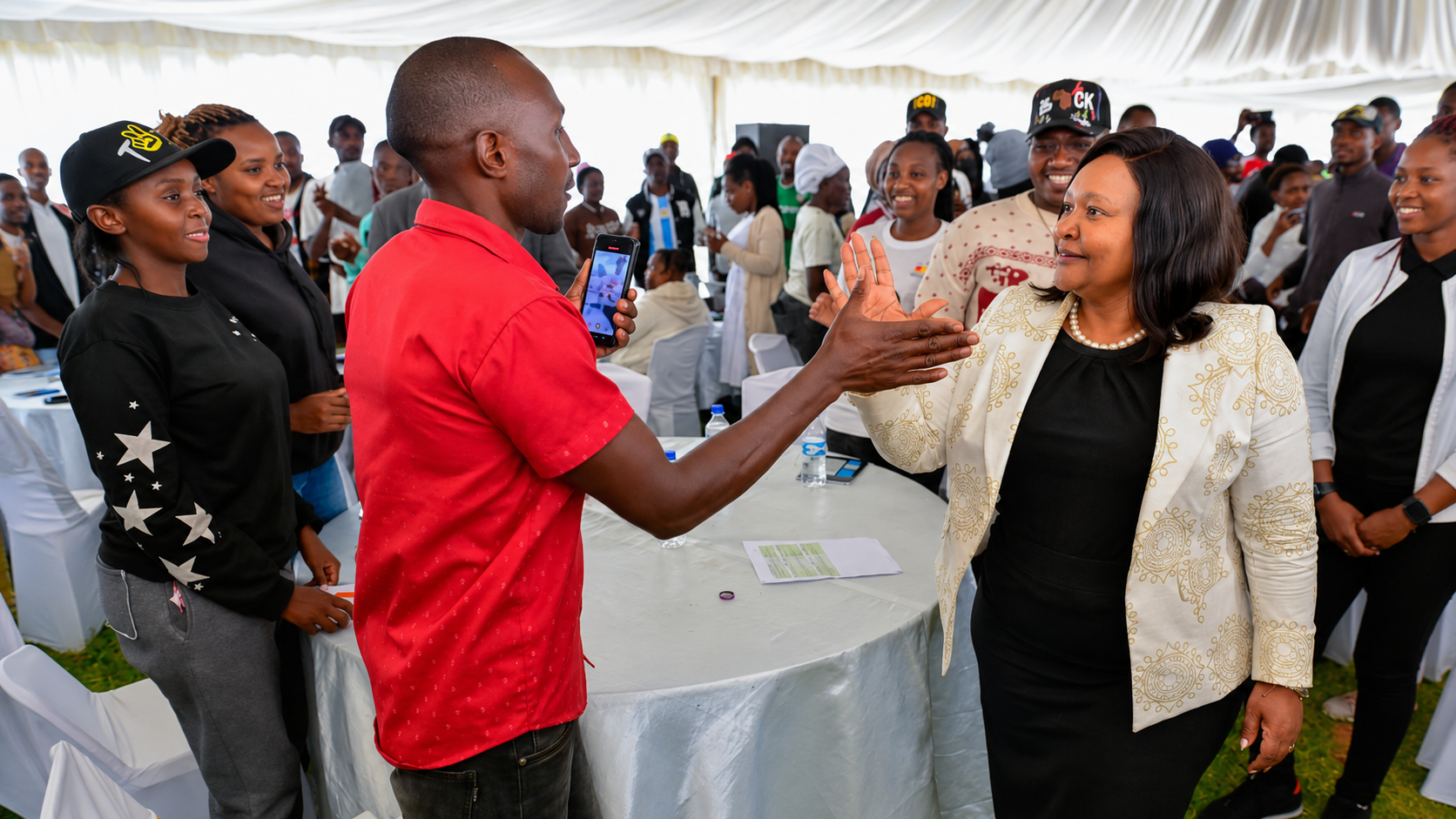
The programme marked the completion of a structured intervention designed to equip young people from the county with digital and conservation skills that the government believes are essential to building a locally managed, community driven tourism economy.
The training covered three primary areas: ecotourism, digital storytelling, and sustainable conservation practice, a combination that reflects the Ministry of Tourism and Wildlife's understanding that the next generation of conservation managers must operate at the intersection of environmental stewardship and digital content creation.
Graduates received both technical training and formal certification, positioning them to take up active roles within the tourism and conservation ecosystem rather than remaining peripheral to an industry that has historically concentrated its returns among established operators.
CS Miano framed the programme's value in terms of the gap it closes between government policy and grassroots impact, a gap that training and certification initiatives of this kind are specifically designed to bridge by converting policy commitments into tangible individual capabilities.
The government, she noted, had provided the tools and the certification, but the realisation of the programme's potential depends on the graduates themselves stepping into the roles the training has prepared them for.
The choice of Nyandarua County as the location for the programme carries geographic logic given the county's proximity to conservation areas, highland ecosystems, and community tourism sites that provide a natural laboratory for the ecotourism and conservation skills the training covered.
Young people from counties with direct access to wildlife and natural landscapes are particularly well positioned to deploy AI driven tourism tools and digital storytelling capabilities where the subject matter is immediately available.
The programme sits within the broader government ambition articulated by President William Ruto to anchor grassroots economic empowerment in the green economy, positioning youth not as beneficiaries of conservation revenues distributed from above but as active managers and generators of those revenues through direct participation in ecotourism operations, wildlife monitoring, content creation, and community conservation enterprises.
"When the youth and government walk hand in hand, we bridge the gap between policy and grassroots impact," said Miano, Cabinet Secretary for Tourism and Wildlife, capturing the collaborative logic that underpins the programme's design and the ministry's longer term vision for youth participation in Kenya's conservation economy.
The Nyandarua graduation represents one cohort in what the ministry intends to be a self sustaining ecosystem where trained local communities directly manage and benefit from the natural heritage on their doorstep, a model whose success will be measured not at the closing ceremony but in the enterprises, livelihoods, and conservation outcomes the graduates generate in the years ahead.