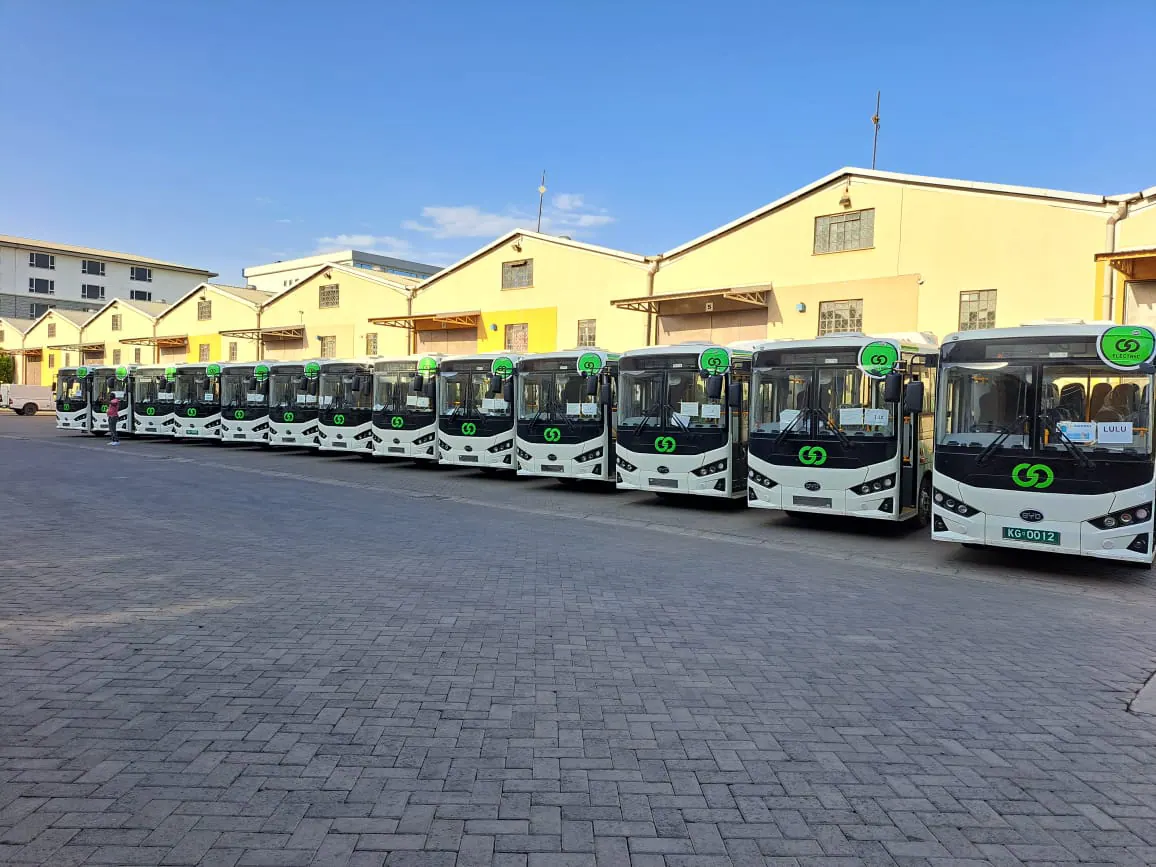
Co-operative Bank announced a financing facility of KSh1.5 billion to help matatu Savings and Credit Co-operatives purchase electric public service vehicles.
The programme will be rolled out over the next twelve months and is intended to cover up to 90 per cent of a vehicle’s purchase price, allowing co-operatives to acquire fleets rather than relying on individual operators.
Vincent Marangu, Director of Cooperatives Banking at Co-op Bank, said the loan structure reflects the operational model of matatu co-operatives, which manage multiple vehicles across routes. “Saccos are already planning for electric, and what they need is financing that works for a whole fleet. We have supported public transport Saccos for years, and we know how they operate their business,” he said. “That is why we are lending to Saccos directly, on stronger terms, so they can buy electric vehicles at the scale their routes demand.”
Loans will be priced one percentage point below the prevailing Kenya Shilling Overnight Interbank Average (KESONIA) rate and will also fund the installation of electric-vehicle charging stations. The package includes digital fare-collection systems to aid revenue tracking and fleet management.
Under the arrangement, two 16-seat electric vans supplied by local mobility firm BasiGo have been delivered to Enabled Mashariki Sacco. BasiGo chief executive Jit Bhattacharya said lower operating and maintenance costs could make electric vans financially attractive, although the savings will depend on utilisation and financing costs. “What matters most to an operator is what each vehicle earns at the end of the day. Electric vans cost less to run and maintain than fuel-powered vehicles, and those savings go to the owner,” he said. “Working with Co-op Bank means more Saccos can access these vehicles, and we look forward to supplying the next ones.”
The bank cited national data showing 974 registered public-transport operators run an estimated 7,000 vehicles, while about 2,500 new PSVs valued at KSh15 billion enter the market each year. These figures highlight the scale of opportunity for lenders and electric-vehicle suppliers beyond pilot projects, especially among organised operators.
The initiative aligns with Kenya’s National Electric Mobility Policy, which provides a framework for investment in electric vehicles, charging infrastructure and incentives. By shifting to electric fleets, operators could reduce exposure to volatile international oil prices that affect domestic pump rates and operating costs.
Co-op Bank’s facility will also involve partnerships with electric-vehicle manufacturers, insurers and Kenya Power, bringing together financing, vehicle supply, insurance coverage and electricity provision.