Kenya’s economy expanded by 5.3 per cent in the first quarter of 2026, supported by strong recovery in tourism and transport. The latest Quarterly GDP Report from the Kenya National Bureau of Statistics (KNBS) shows international visitor arrivals and Standard Gauge Railway (SGR) passenger numbers recorded double‑digit increases, underscoring the sector’s role in driving growth despite wider economic pressures.
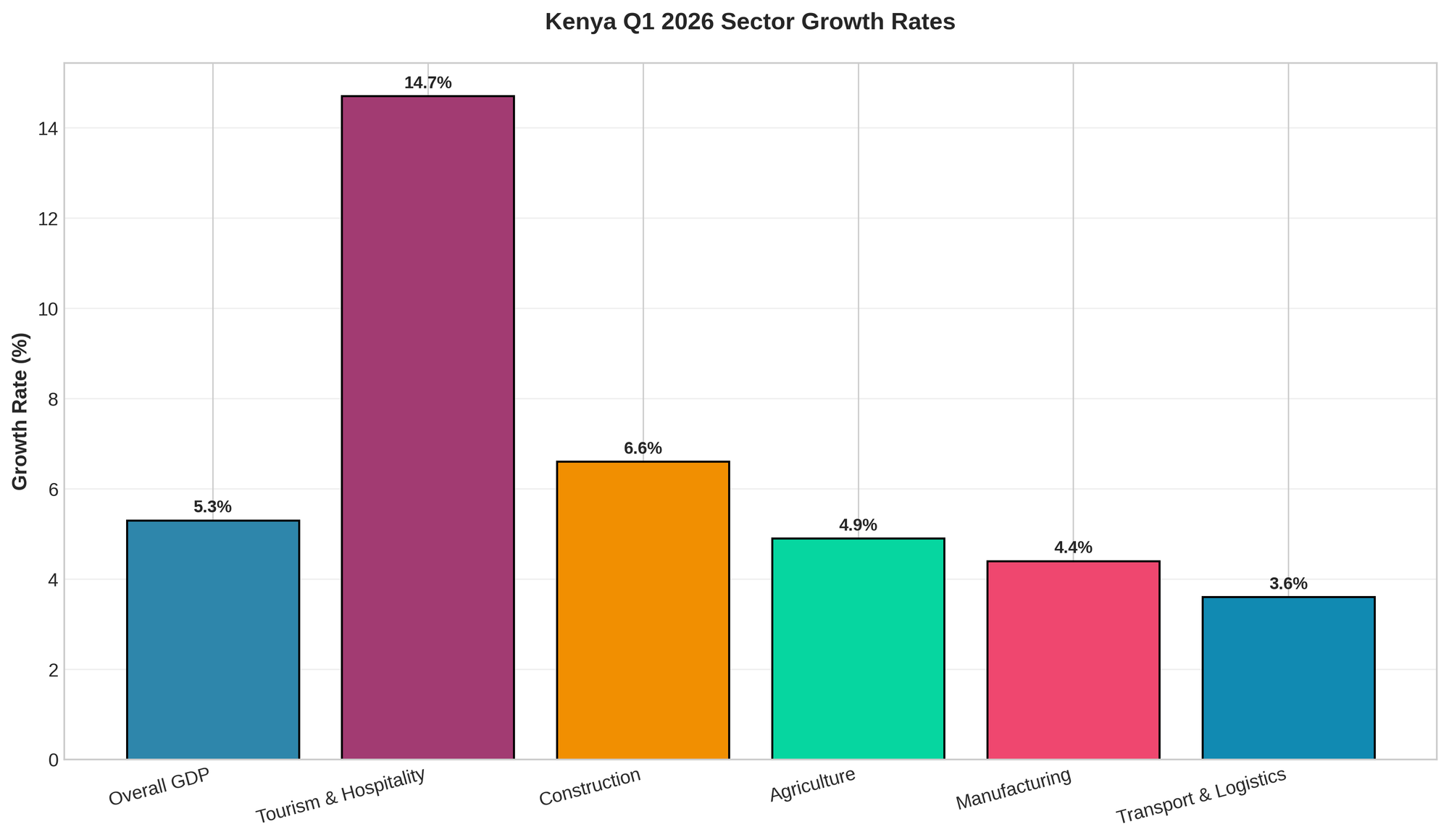
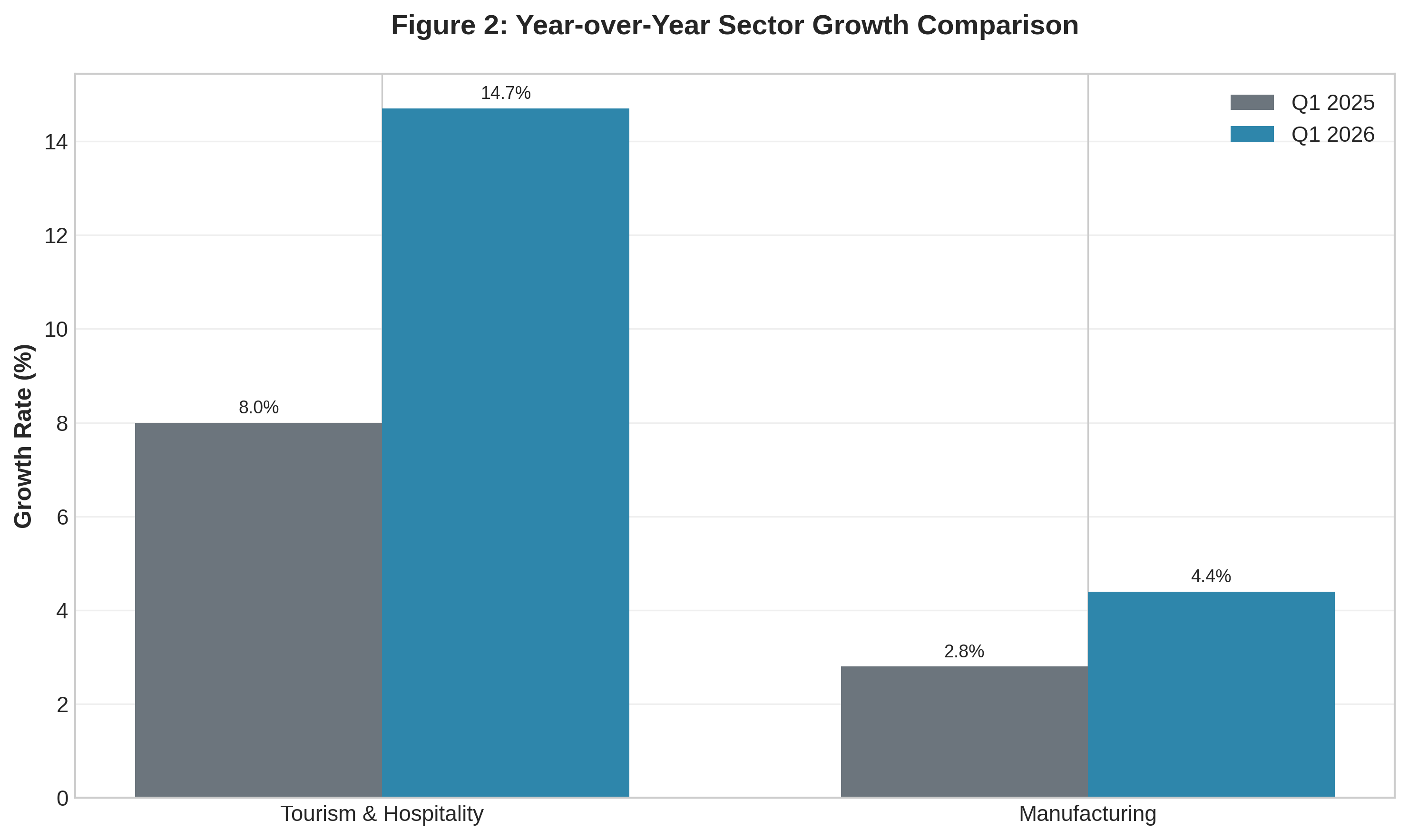
“The accommodation and food service sector recorded a growth of 14.7 per cent in the first quarter of 2026 compared to a growth of 8.0 per cent in the corresponding quarter of 2025,” KNBS stated in the report.
The surge was anchored by a 13.1 per cent rise in international arrivals through Jomo Kenyatta International Airport (JKIA) and Moi International Airport (MIA), with the two facilities handling 506,622 visitors during the period.
The rebound highlights renewed confidence in Kenya’s tourism market, which continues to recover from pandemic‑era disruptions.
Transport also maintained steady momentum, expanding by 3.6 per cent as more passengers and cargo moved across rail and road networks. SGR passenger numbers rose by 12.3 per cent from 529,600 travellers in early 2025 to 595,000 this year, while cargo volumes increased by 12.7 per cent to 2.05 million metric tonnes.
The Port of Mombasa recorded throughput growth of 3.7 per cent to 10.99 million metric tonnes, while light diesel consumption rose by 9.9 per cent, signalling stronger road transport activity.
Beyond tourism and transport, manufacturing accelerated to 4.4 per cent from 2.8 per cent a year earlier, supported by higher production of cement, assembled vehicles, sugar and soft drinks.
Construction strengthened with 6.6 per cent growth, driven by increased cement consumption and imports of bitumen and steel.
Agriculture expanded by 4.9 per cent, buoyed by higher tea, sugarcane and milk deliveries, though declines in coffee and fruit exports weighed on overall performance.
Despite the stronger headline growth, KNBS flagged rising inflation and external imbalances. Inflation climbed to 4.35 per cent from 3.45 per cent in the first quarter of 2025, reflecting higher food prices.
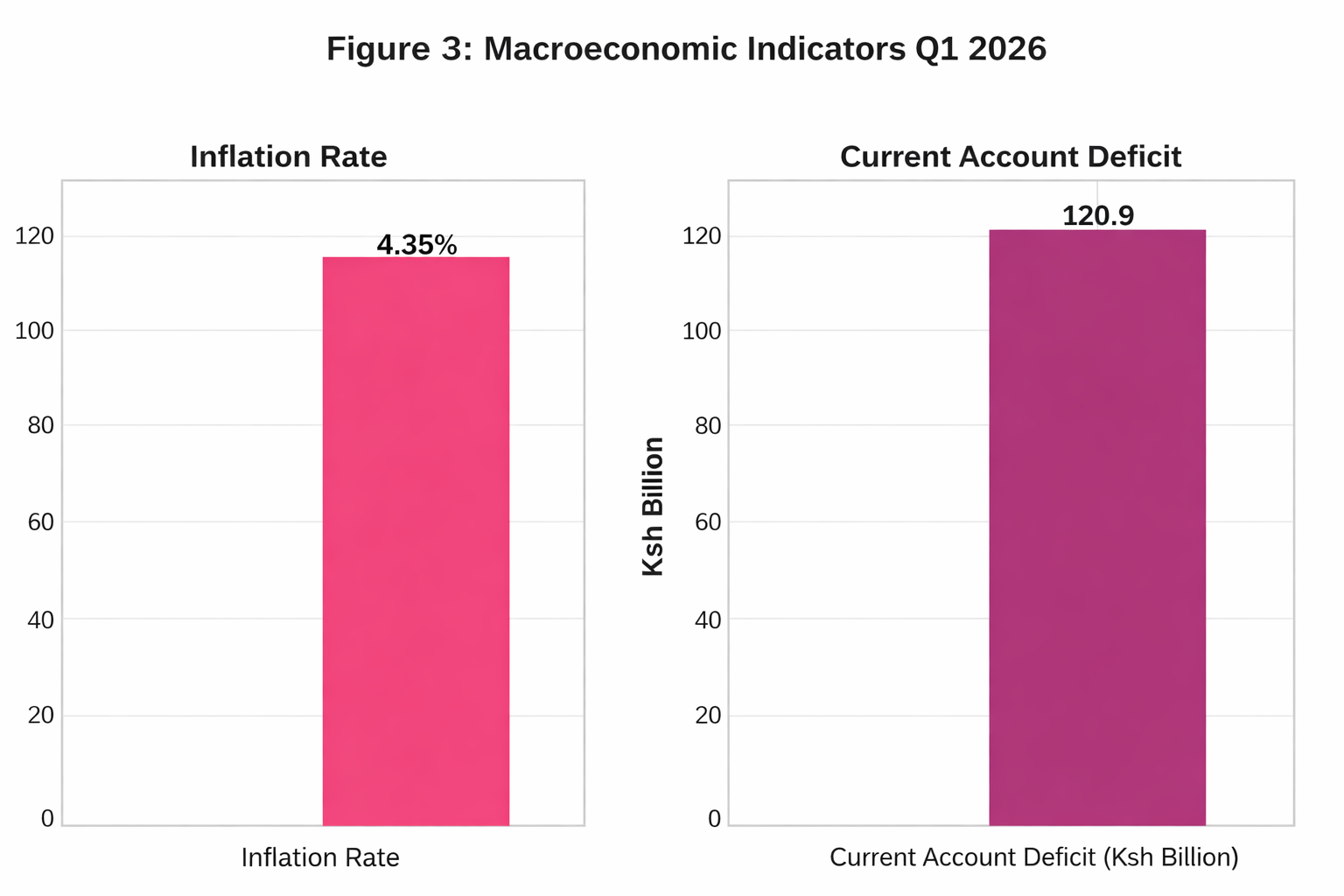
The current account deficit widened sharply from Ksh 70 billion to Ksh 120.9 billion, highlighting persistent vulnerabilities in external trade.
The World Bank has warned that up to 2.4 million Kenyans could fall into poverty by the end of 2026, underscoring the need for inclusive growth strategies that balance sectoral gains with household resilience.
Kenya’s first‑quarter performance illustrates how tourism and transport remain central to economic recovery, while manufacturing, construction and agriculture provide additional momentum.
Yet the widening deficit and inflationary pressures remind policymakers that sustaining growth will require careful management of external shocks and domestic costs.
The challenge ahead lies in translating sectoral gains into broad‑based prosperity that shields households from looming economic headwinds.