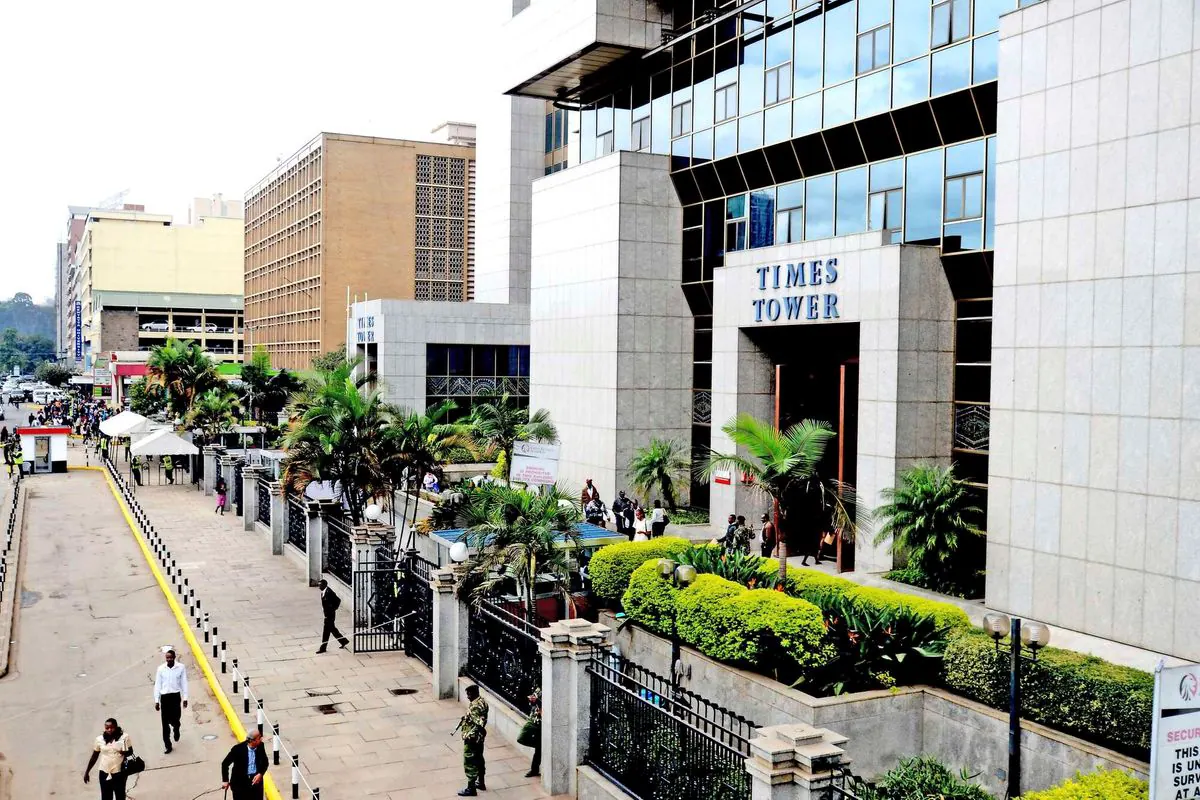
Three fraudsters used the Kenya Revenue Authority’s (KRA) eTIMS platform to generate 62,869 fictitious electronic invoices worth about KSh42 billion over five years, leading to roughly KSh4 billion in fraudulent VAT claims against KRA.
The fake invoices were used to claim VAT refunds between 2020 and 2025, involving 72 companies that were told they had purchased goods totalling KSh25.07 billion with corresponding VAT of KSh5.37 billion, resulting in VAT claims of approximately KSh3.99 billion.
Investigators said the fraudsters charged an average commission of 1.5 per cent on the value of each invoice, meaning a KSh100 million invoice generated a commission of KSh1.5 million.
Digital forensic analysis linked the fraudulent VAT claims to telephone numbers and mobile devices belonging to the three perpetrators and showed that many invoicing firms had no genuine business activity, with some not existing physically and listed officials unaware of their inclusion.
Several of the invoicing firms were nil or non-filers for VAT, did not file income-tax returns and had no pay-as-you-earn obligations despite the scale of the transactions attributed to them.
The probe also identified KRA staff who facilitated the fraudulent transactions, and most of the firms caught operate in construction, electrical and electronics sectors.
The Office of the Director of Public Prosecutions (ODPP) approved the prosecution of an initial batch of 37 people, including the three masterminds, who are alleged to have caused about KSh518 million in VAT losses from purported KSh3.2 billion purchases.
Mohamed Abdul M’maka, Commissioner for Investigations & Enforcement at KRA, confirmed the scandal and warned businesses that using fictitious invoices to support illegitimate input VAT claims will result in criminal and civil sanctions.
M’maka added that KRA is deploying eTIMS intelligence, data analytics, digital forensics, financial investigations and inter-agency cooperation to identify artificial transactions, trace beneficiaries and recover the lost money.
Insiders said the scam has prompted a shake-up of eTIMS operations, with the tax authority now rejecting unsupported input VAT claims and disabling devices, effectively locking flagged businesses out of filing VAT returns through the iTax portal.
Earlier this year KRA introduced technology that locks electronic tax invoices to specific locations, using georeferencing to assign geographic coordinates to each eTIMS invoice and plans to enable the portal to capture and track stock levels to ensure invoice accuracy.
The fraud comes as KRA faces pressure to improve collection, having posted a KSh58.2 billion revenue shortfall in the first quarter of the 2026/27 financial year, while ordinary revenue collections rose to KSh655.8 billion, up 14.4 per cent from the same period in 2025.
Domestic revenue collection recovered compared with the previous year when ordinary revenue receipts contracted by 2.9 per cent, highlighting the tax authority’s challenge in meeting its targets.