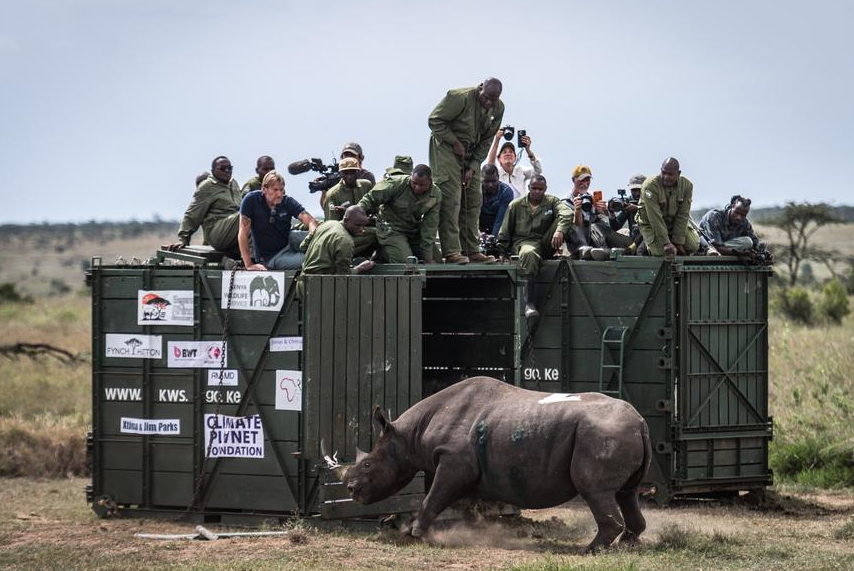
Kenya is targeting a black rhino population of at least 1,500 by 2031 under a new five-year conservation plan, as the country steps up efforts to protect one of its most endangered wildlife species.
The Kenya Wildlife Service (KWS), with support from WWF-Kenya, has brought together conservation stakeholders to review the Kenya Black Rhino Recovery and Action Plan for 2027–2031.
The plan sets out measures to strengthen habitat management, wildlife monitoring, security and partnerships aimed at supporting the species' recovery.
Kenya's black rhino population has grown from just 370 in 1989 to 1,207, marking progress in decades of conservation work.
KWS said the next phase of the recovery programme would focus not only on increasing the population but also on ensuring rhinos have adequate habitat, protection and resources to survive and reproduce.
The 2031 target will require continued coordination among conservation agencies, organisations and other stakeholders to safeguard existing populations and improve conditions in their habitats.
Black rhinos remain critically endangered, with habitat loss, poaching and other threats continuing to affect their survival across Africa.
The new plan is expected to guide Kenya's conservation priorities over the next five years as the country works towards securing a larger and more resilient black rhino population.