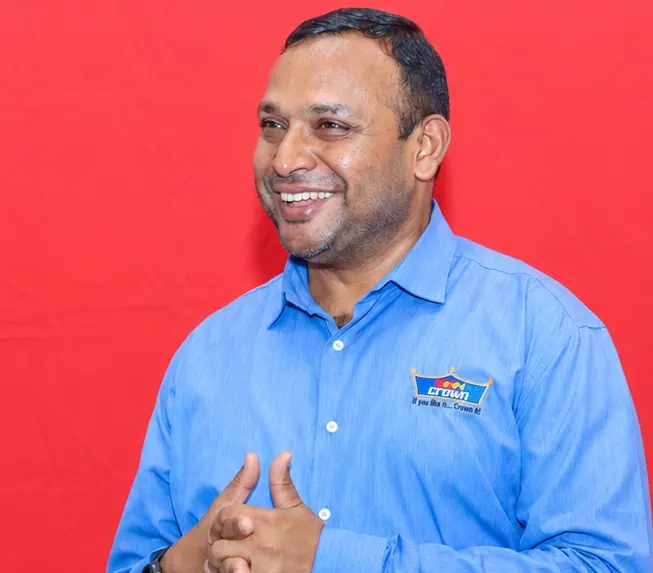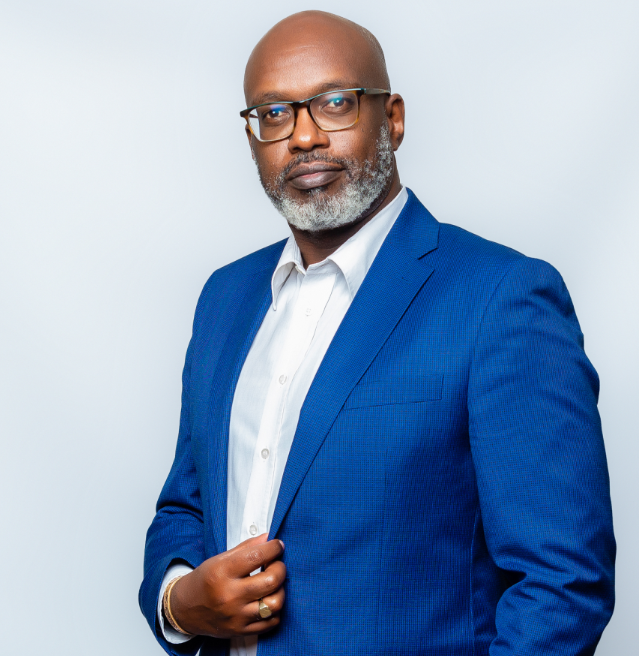
A Kenyan executive now leads the private sector voice of a trade bloc that spans 21 countries and 600 million people. Mucai Kunyiha was elected President of the COMESA Business Council at the 12th Annual General Meeting, held on July 9 at the InterContinental Hotel in Lusaka, Zambia taking the position for the 2026–2028 term.
Kunyiha isn't a new face at COMESA.
He had served as the Council's First Vice President before his elevation to the top seat, meaning the transition was an endorsement rather than an introduction.
He previously served as National Chairman of the Kenya Association of Manufacturers, where he championed policies to strengthen Kenya's manufacturing sector, improve the ease of doing business, and expand regional and international trade opportunities for local manufacturers.
Beyond KAM, he is the Group Chief Executive Officer of Kzanaka Group, a Kenyan family-owned investment company with interests across manufacturing, agriculture, hospitality, real estate, and business services.
His election comes as the COMESA region intensifies efforts to deepen regional integration, eliminate trade barriers, strengthen value chains, and promote industrialisation through increased cross-border trade and investment an agenda that maps almost exactly onto the work Kunyiha spent years advocating for from the Kenyan side.
For Kenya's private sector, the appointment carries weight beyond the symbolism. The COMESA Business Council is the recognised private sector voice within the bloc, working directly with governments, policymakers, and development partners across Eastern and Southern Africa.
Having a Kenyan at its head means Nairobi's business priorities manufacturing competitiveness, trade barrier elimination, industrial policy reform will have a more direct line to COMESA's institutional agenda for the next two years than they've had before.
KAM congratulated Kunyiha, describing his election as recognition of his leadership and long-standing contributions to industrialisation, manufacturing, and private sector development.
It's a result that reflects Kenya's growing weight in regional economic conversations and one that puts one of the country's most experienced manufacturing executives at the centre of how 21 countries think about their shared economic future.