Kenya’s petroleum sector is entering the June-July pricing cycle with assurances of uninterrupted supply, as the government confirmed that fuel deliveries have been secured through the end of July, a move designed to insulate the economy from global energy volatility and sustain operational stability across transport and industry.
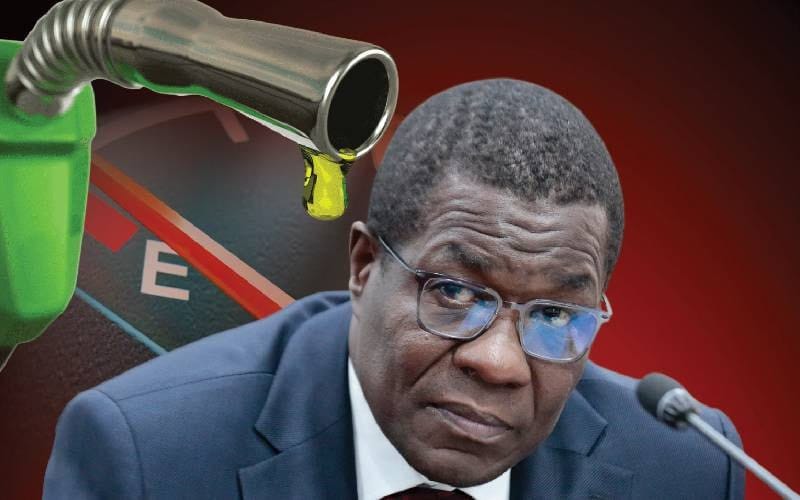
Energy and Petroleum Cabinet Secretary Opiyo Wandayi said the measures were part of deliberate interventions to maintain continuity in importation and distribution ahead of the Energy and Petroleum Regulatory Authority’s (EPRA) monthly review scheduled for June 14.
Wandayi explained that the government has taken steps to guarantee adequate reserves, noting that the country has avoided the disruptions experienced in other markets where supply chains remain vulnerable to international shocks.
“Kenya has maintained a fairly stable position, with decisive steps to ensure an adequate and uninterrupted supply of petroleum products taken from time to time,” said Wandayi, Cabinet Secretary for Energy and Petroleum.
He added that fuel deliveries already secured through July will ensure steady availability nationwide, reinforcing confidence among consumers and businesses.
The announcement comes as EPRA prepares to adjust pump prices in line with global benchmarks and domestic policy commitments.
Wandayi confirmed that diesel prices will be reduced in the upcoming cycle, aligning with President William Ruto’s directive issued in May after a transport sector strike, which promised a Ksh 10 reduction to ease pressure on operators and commuters.
“In line with the commitment made by His Excellency the President to the public transport sector and other industry players, the government will ensure further reduction in diesel prices in the next monthly review,” said Wandayi.
Current pump prices stand at Ksh 232.86 per litre for diesel, Ksh 214.25 for super petrol, and Ksh 191.38 for kerosene, figures that have weighed heavily on household budgets and business operations.
The anticipated reduction in diesel is expected to provide relief to the transport sector, which has been grappling with high operating costs, while also lowering input expenses for industries reliant on petroleum products.
Analysts note that the adjustment could have a ripple effect across the economy, moderating inflationary pressures and supporting growth in sectors sensitive to energy costs.
The broader context of the intervention reflects Kenya’s attempt to balance consumer welfare with fiscal sustainability, as global oil prices remain volatile and foreign exchange pressures continue to influence import costs.
By securing shipments in advance, the government aims to mitigate risks of supply disruption while maintaining predictability in the domestic market.
The assurance of stability is particularly critical for public transport operators, manufacturers, and agricultural producers, whose competitiveness is closely tied to energy affordability.
Market observers will be watching closely to see whether EPRA’s adjustment extends beyond the Ksh 10 reduction promised by the President, or whether the authority will maintain the directive as issued.
The outcome will shape expectations for the remainder of the year, with fuel pricing policy likely to remain a central issue in economic planning and public discourse.
For now, the government’s proactive stance signals a commitment to cushioning consumers while sustaining operational resilience in the petroleum sector.