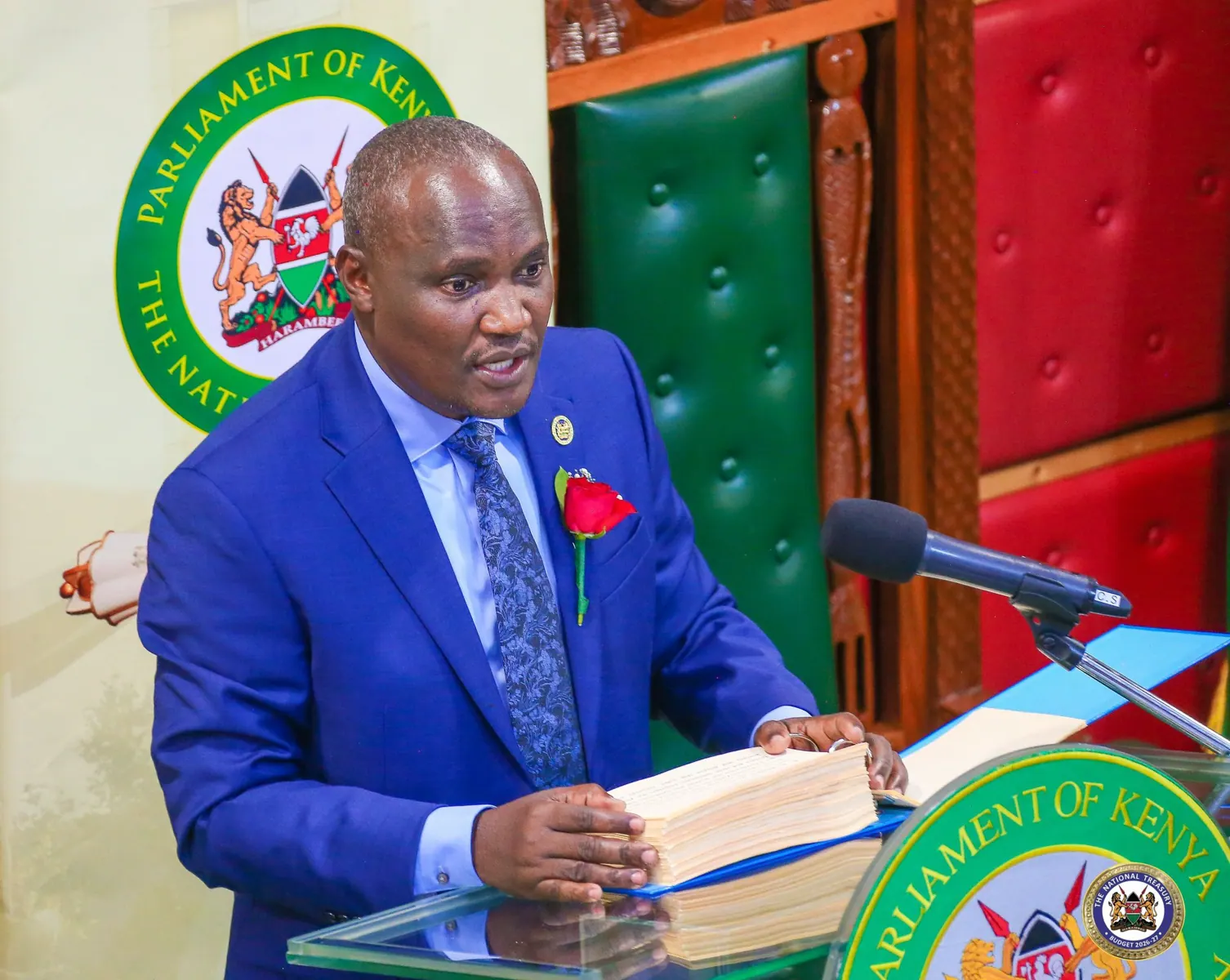
Kenya’s 2027/28 budget is projected to reach KSh5.4 trillion, with a fiscal deficit of about KSh1.35 trillion, according to the National Treasury’s October 2026 Draft Budget Policy Statement.
The draft statement puts total expenditure and net lending at roughly KSh5.416 trillion against total revenue of about KSh4.004 trillion, while recurrent spending is estimated at KSh4.021 trillion and development expenditure at approximately KSh915.8 billion.
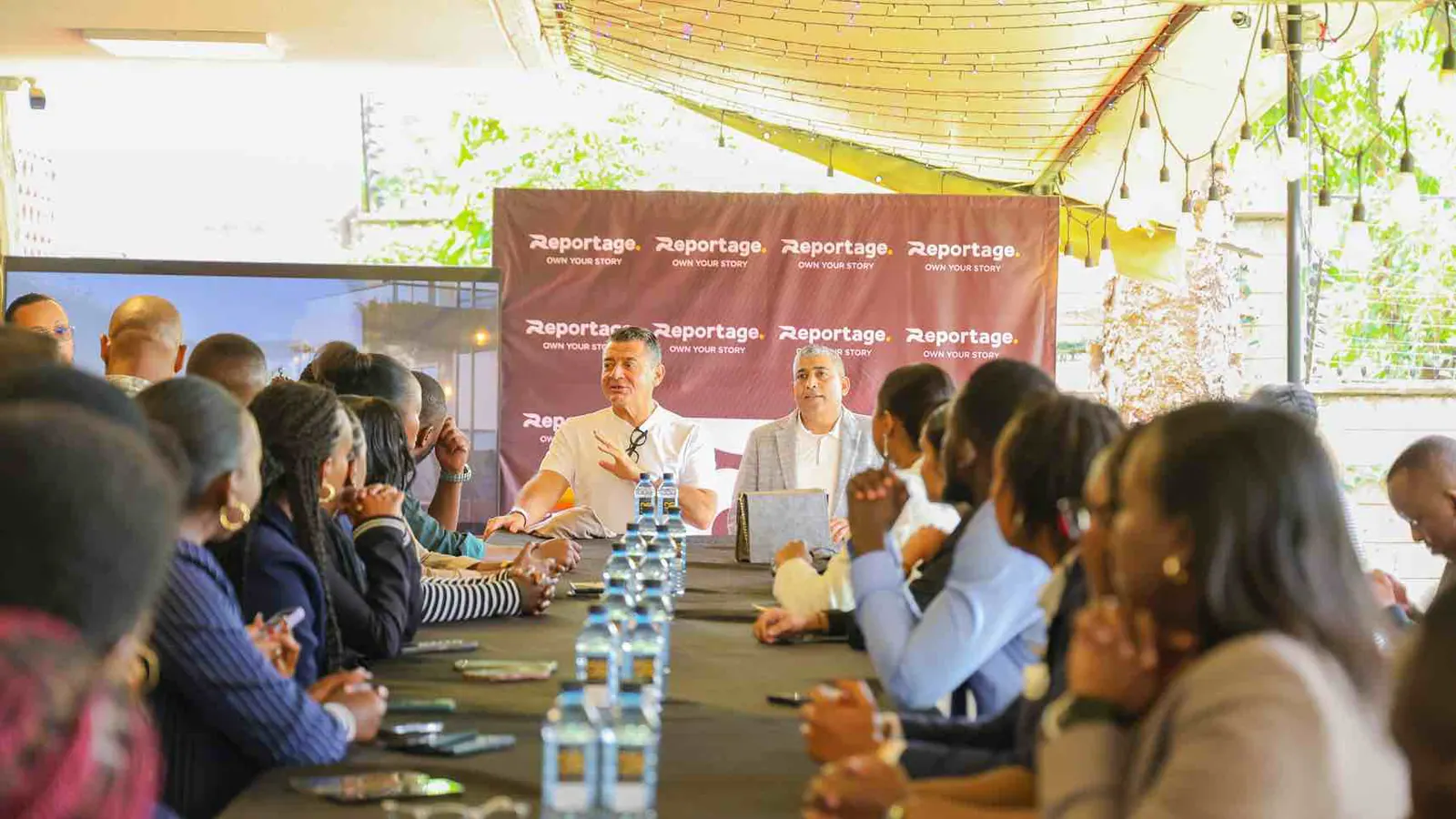
Churchill Ogutu, Head of Research at Capital Investment Bank, said the higher expenditure estimates reflect adjustments made during the budget preparation process, including additional requirements from ministries, departments and agencies as well as allocations for Parliament and the Judiciary.
Ogutu noted a variance of around KSh1.9 trillion between the requirements presented by government institutions and the allocations initially proposed by Treasury, and said the final figures incorporate many of those additional demands.
For the first time, recurrent expenditure has crossed the KSh4 trillion mark, driven by pension payments under the Consolidated Fund Services, the growing public-sector wage bill and collective bargaining agreements, Ogutu explained.
The Treasury projects a fiscal deficit of roughly KSh1.353 trillion, equivalent to 5.9 per cent of GDP, to be financed by net domestic borrowing of about KSh929.1 billion and net external borrowing of around KSh423.8 billion.
Ogutu said the government is exploring external commercial financing channels such as Eurobond issuance, Samurai bonds, Panda bonds and currency swaps, and described the external financing ambition as dependent on international market conditions.
Central Bank of Kenya Governor Kamau Thugge warned that heavy domestic borrowing could undermine monetary-policy transmission, while Moody’s reported that Kenyan banks’ holdings of government securities were 1.7 times their equity as of December 2025.
Ogutu said domestic borrowing has been front-loaded, with monthly issuance averaging about KSh110 billion between August and January compared with roughly KSh60 billion in other periods, reflecting strong subscription to infrastructure bond reopenings.
The Treasury also plans to move major infrastructure projects into the National Infrastructure Fund and public-private partnerships, targeting roughly KSh400 billion of annual infrastructure spending outside the conventional budget.
Regarding the International Monetary Fund, Ogutu said a conventional IMF programme is unlikely before the August 2027 general election, but a precautionary standby arrangement could provide an external anchor for fiscal consolidation, and the upcoming Article IV consultation will assess Kenya’s debt sustainability.