The Energy and Petroleum Regulatory Authority (EPRA) announced a sharp upward revision of maximum retail petroleum prices for the October 15 to November 14 2026 pricing cycle.
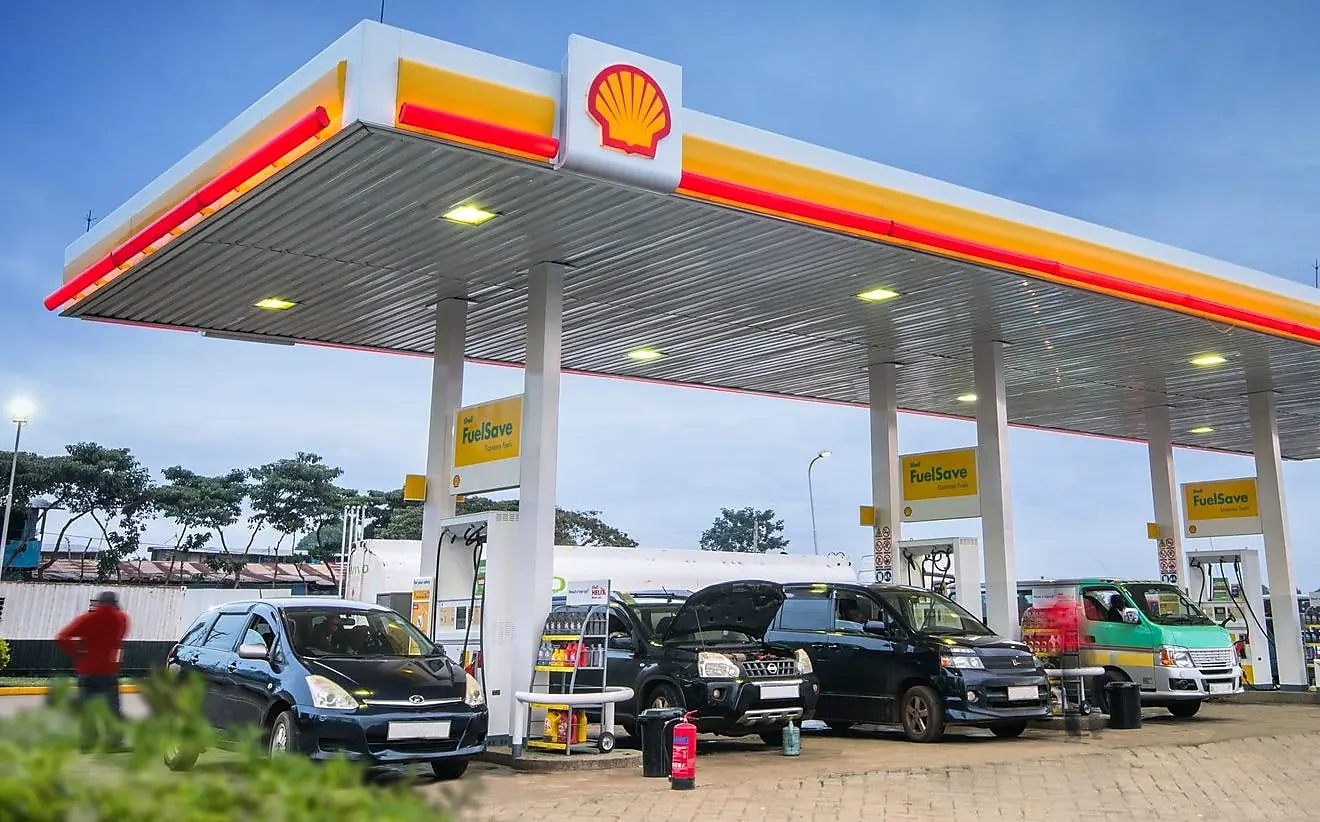
In Nairobi, the new ceiling is KSh226.96 per litre for Super Petrol, KSh227.76 for Diesel and KSh219.87 for Kerosene, while The Standard reported the kerosene ceiling as KSh219.85.
Regional hubs show lower rates in coastal Mombasa at KSh223.80 (Petrol), KSh224.48 (Diesel) and KSh216.58 (Kerosene); inland towns such as Nakuru are priced at KSh225.85, KSh227.17 and KSh219.30 respectively; Kisumu and Eldoret align at KSh226.62, KSh227.98 and KSh220.12; Garissa records KSh233.33 for Petrol and KSh234.60 for Diesel; and Mandera carries the highest marks at KSh240.96, KSh242.23 and KSh234.33.
The price hikes amount to KSh12.93 per litre for Super Petrol, KSh9.90 for Diesel and KSh28.49 for Kerosene.
EPRA Director-General Edward Mwirigi Kinyua attributed the increases to the escalating conflict in the Middle East, which has disrupted supply chains, and noted that the adjustments include the 8 per cent Value Added Tax introduced in April.
EPRA said the average landed cost of imported Super Petrol rose 11.81 per cent from $874.26 per cubic metre in August 2026 to $977.55 in September 2026; diesel costs rose 11.32 per cent from $957.05 to $1,065.38; and kerosene costs rose 9.41 per cent from $1,003.87 to $1,098.31 over the same period.
The authority warned that higher diesel prices could raise transport and logistics costs, pressure food and manufacturing output, and that the KSh28.49 kerosene increase will strain low-income households that rely on the fuel for cooking and lighting.
EPRA had kept pump prices unchanged during the September 15 to October 14 cycle despite a decline in import costs.