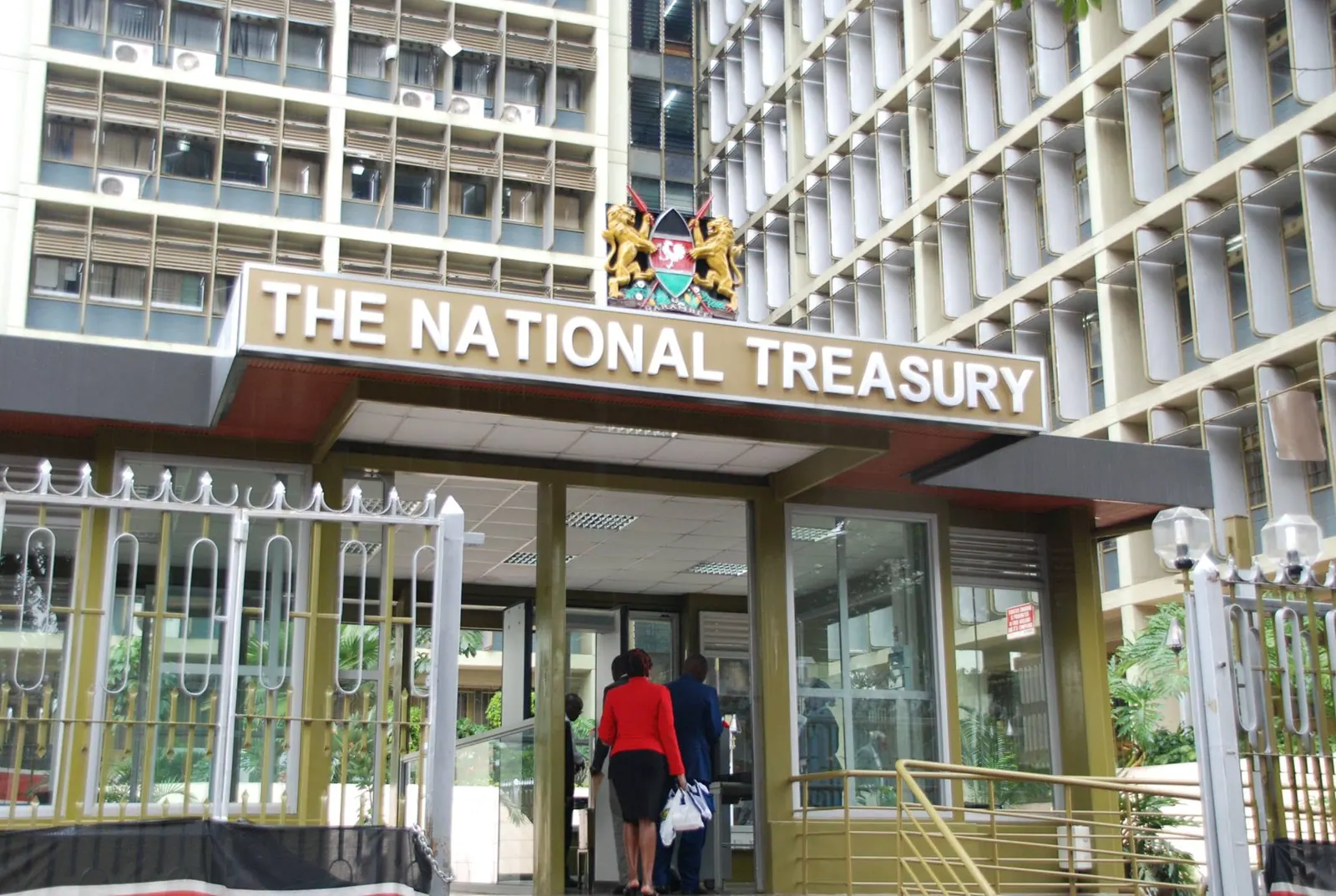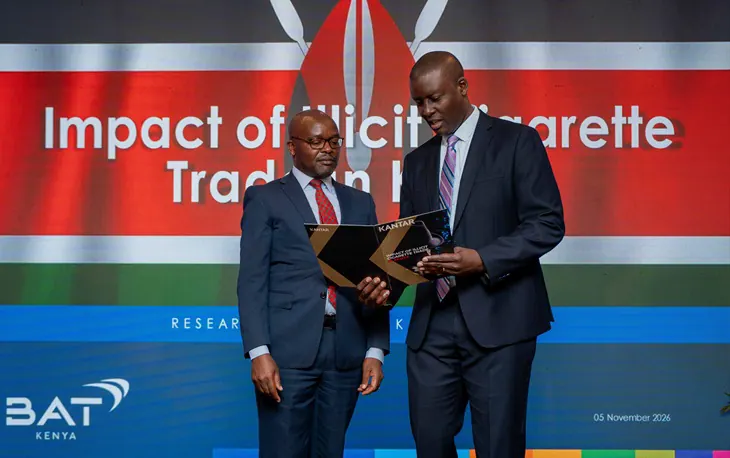
A Kantar study commissioned by British American Tobacco Kenya (BAT Kenya) estimates that Kenya lost KSh47 billion in excise duty and value added tax revenue to illicit cigarette trade between 2021 and 2025, with almost half of cigarettes consumed evading taxes.
The study puts the share of illicit cigarettes at 45.1 per cent of total consumption in 2025.
The lost revenue could have financed roughly 48,000 low-cost houses, 19 million bags of subsidised fertiliser or 12 million bags of maize under the Government’s Bottom-Up Economic Transformation Agenda.
A cumulative 55 per cent increase in cigarette excise duty from 2018 to 2022 coincided with a decline of KSh1 billion in excise revenue from the legal industry over the same period.
Employment in the legal tobacco value chain fell by 4,700 jobs between 2022 and 2025 and its contribution to gross domestic product dropped by KSh37.7 billion.
Capital Business reported an annual loss of KSh10.2 billion and a five-year cumulative loss of KSh37 billion, with illicit cigarettes accounting for about 45 per cent of the market in 2025.
The report identified Uganda as the leading source of illicit supplies, followed by Tanzania and South Sudan, noting excise differentials of KSh4,100 per 1,000 cigarettes in Kenya versus KSh1,974 in Uganda, KSh1,874 in Tanzania and KSh1,200 in South Sudan.
BAT Kenya Managing Director Sidney Wafula said the surge “is deeply concerning, and this study confirms a trend that has worsened in recent years. This is not simply a tobacco industry problem. When almost half of the cigarette market is illicit, the impact extends well beyond legitimate tobacco businesses.”
He added that ordinary Kenyans could face higher taxes or increased borrowing and that the illicit trade “fuels organised crime and exposes consumers to cigarettes that fall outside established regulatory controls.”
Wafula called for stronger enforcement, tighter border controls, disruption of criminal networks and a robust track-and-trace system, stating “the scale of the problem requires sustained action.”
BAT Kenya, listed on the Nairobi Securities Exchange, operates a manufacturing plant in Nairobi and a green-leaf threshing plant in Thika, works with about 2,200 contracted farmers and supports more than 75,000 Kenyans across its value chain, and has paid over KSh90 billion in taxes over the past five years.