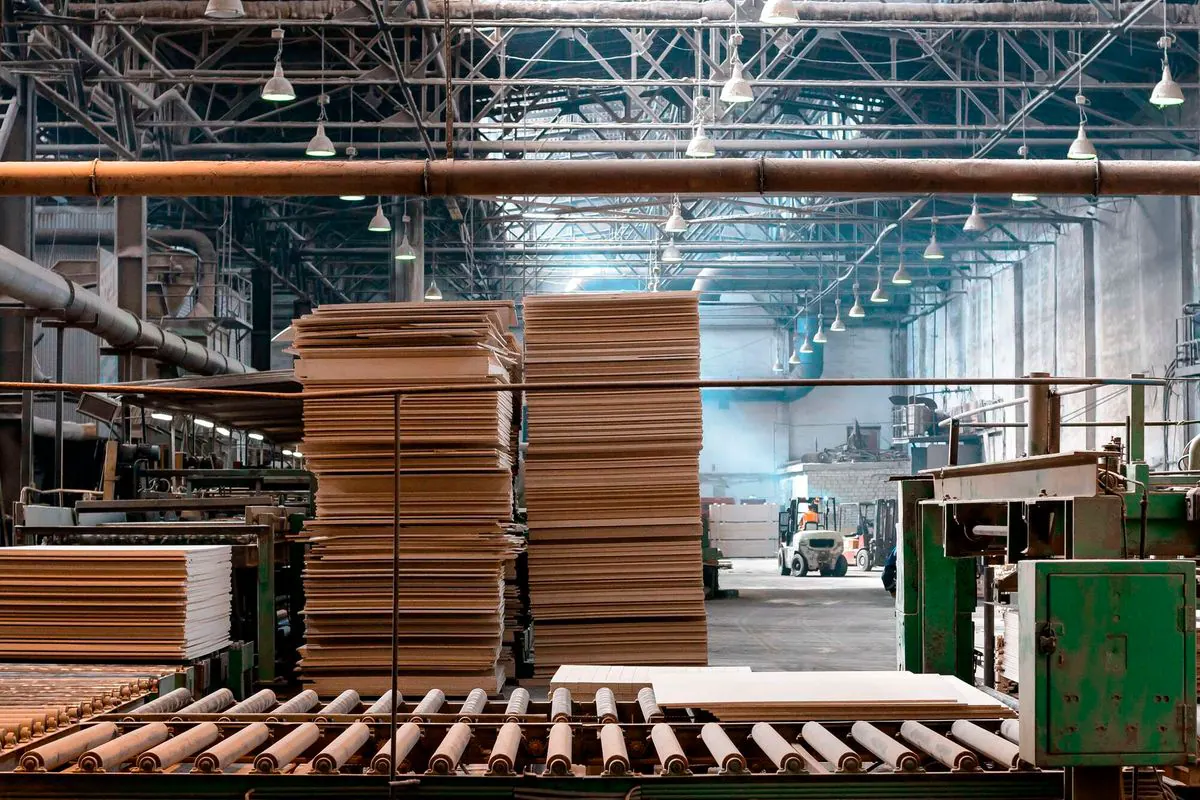
The Finance Act 2026 introduced a 30 per cent excise duty on imported wood-based panels, including medium-density fibreboard, in addition to the existing 35 per cent import duty.
The duty has pushed up the price of locally manufactured furniture such as fitted kitchens, wardrobes and office cabinets, forcing some manufacturers to raise their selling prices by between 15 per cent and 20 per cent.
Six stakeholders from the furniture and construction sectors submitted a request to the National Assembly Finance and National Planning Committee to delete the provision, arguing that the tax makes imported finished furniture from China, Turkey, Malaysia and India cheaper than locally produced items.
The committee declined to consider the proposals, stating that the matter fell outside the scope of the Bill, which primarily aimed to halve the 16 per cent value-added tax on petroleum products.
The Architectural Association of Kenya said the duty reversed progress in replacing finished imports, with rates for joinery, fitted kitchens, wardrobes and board-based finishes rising sharply, leading to cost overruns, strained fixed-price contracts, claims, disputes and the pausing or scaling down of some projects.
Tile & Carpet Centre warned that the duty undermines the Affordable Housing Programme because Kenya lacks capacity for large-scale MDF production and local manufacturers cannot consistently supply specialised boards.
Furniture maker PG Bison said the duty has made imported boards so expensive that bringing in finished furniture is now cheaper than manufacturing locally, threatening 300 direct jobs and more than 2,000 independent installers.
Kitchens & Beyond reported a roughly 20 per cent increase in production costs, making imported finished European kitchens comparable in price or cheaper, and said the tax threatens its regional export business.
Antarc Limited, which sources most of its supplies from Kenyan manufacturers, noted that local suppliers have raised prices by 15 to 20 per cent since the duty took effect and that higher input costs are undermining its shift from imported finished furniture to locally manufactured alternatives. It said “Several ranges are now cheaper to import as finished furniture from China, Turkey, Malaysia or India, putting years of supplier development at risk.”
The government maintains that higher taxes on imports will help build local manufacturing capacity and create jobs across the value chain, while the State Department for Industry estimates the timber and furniture sector employs 160,000 people and highlights the need to review how furniture is classified as raw materials, intermediate products and finished goods to address duty anomalies.