Kenya is positioning digital technology and regional partnerships as drivers of tourism growth, as the country pursues higher international arrivals and stronger visitor spending.
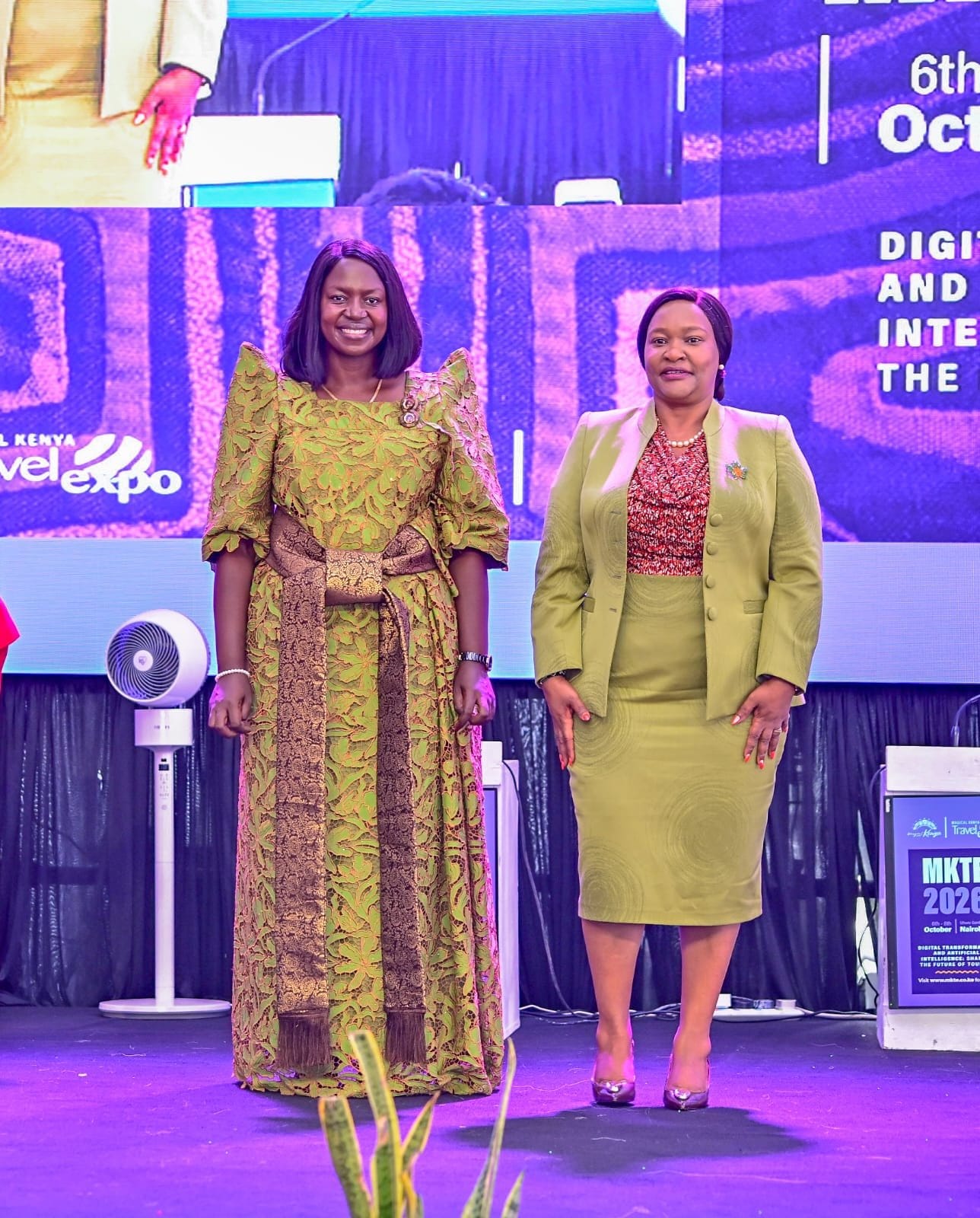
These priorities featured at the 16th Magical Kenya Travel Expo, MKTE 2026, held at Uhuru Gardens. Tourism and Wildlife Cabinet Secretary Rebecca Miano officiated the event, which brought together international tourism stakeholders.
The expo attracted more than 10,000 delegates and 250 buyers from over 40 countries, according to Miano.
The gathering provides tourism businesses with opportunities to establish commercial relationships, explore new markets and identify investment opportunities.
Its broader economic value will depend on whether these engagements translate into bookings, partnerships and sustained visitor spending.
This year’s theme, “Digital Transformation and Artificial Intelligence: Shaping the Future of Tourism,” placed technology at the centre of discussions.
Digital platforms can help operators personalise travel packages, reach prospective visitors and improve customer engagement.
Artificial intelligence may also support visitor services and destination management. Wider adoption will depend on implementation costs, digital infrastructure and smaller operators’ access to suitable tools.
Kenya’s tourism ambitions build on its reported performance in 2025, when the country received 2.7 million international tourists. Tourism revenue reached Ksh 500 billion, while domestic travel recorded 5.2 million travellers.
These figures provide a foundation for further expansion, although maintaining growth requires effective marketing and sustained investment. Tourism businesses must also offer experiences that appeal to visitors across different budgets and interests.
Miano said Kenya was pursuing more than 5.5 million international arrivals by the end of 2027. The government is promoting easier entry through its Electronic Travel Authorisation system, alongside infrastructure improvements intended to support destination access.
Meetings, incentives, conferences and exhibitions tourism, commonly known as MICE, also offers opportunities to diversify demand. Adventure tourism provides another route beyond traditional wildlife safaris and coastal holidays.
Regional cooperation featured prominently through Uganda’s participation at the expo. Miano welcomed Susan Nakawuki, Uganda’s State Minister for Tourism, and described Uganda as one of Kenya’s major regional source markets.
Their engagement reflects efforts to strengthen cross border partnerships and develop tourism circuits connecting destinations across East Africa.
Greater coordination could encourage visitors to explore multiple countries within one trip, potentially extending stays and spreading spending across regional businesses.
Developing East Africa as a connected destination would require practical cooperation between tourism authorities and private operators.
Coordinated marketing, stronger transport connections and complementary travel packages could improve the region’s appeal to international visitors.
Cross border collaboration could also create opportunities for tour operators, accommodation providers and cultural attractions. Realising these benefits will depend on effective implementation and commercially viable travel arrangements.
The government’s approach also recognises local conservancies and grassroots operators as participants in tourism development. Community based tourism can generate income while supporting conservation and locally managed attractions.
Smaller enterprises need access to finance, skills and international distribution networks to compete effectively. Miano also credited President William Ruto’s leadership for supporting the expo.
Its long term value will depend on measurable commercial outcomes, sustainable earnings and wider economic benefits for communities across Kenya and the region.