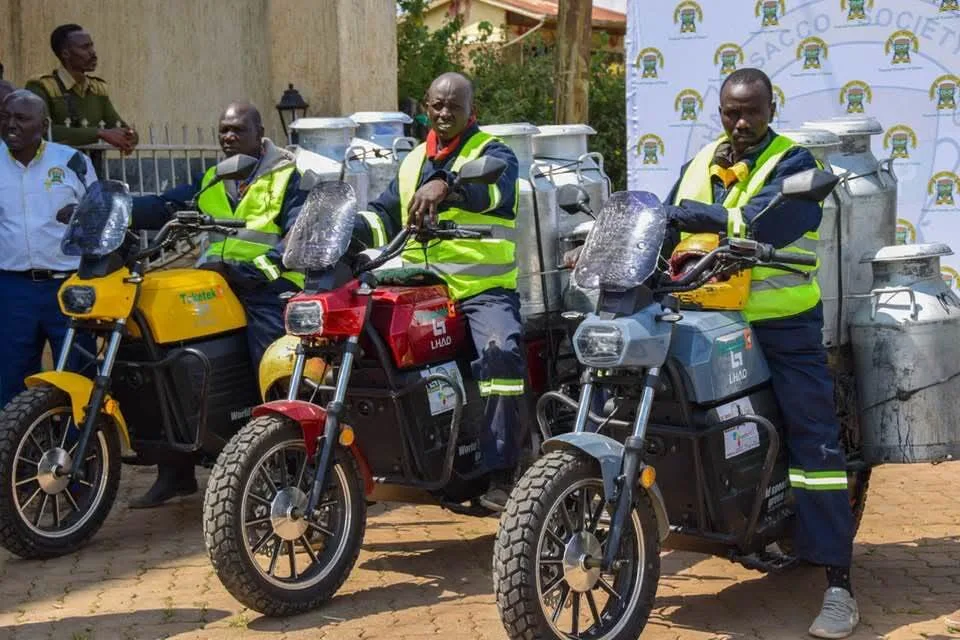
Kenyan electric mobility manufacturer Lunghou Teketeke Group announced that its electric motorcycles and cargo tricycles could reduce daily milk-transport expenses by as much as 80 per cent for dairy farmers.
The firm claims that farmers using petrol-powered motorcycles spend about KSh1,000 each day, while the electric bikes would cost roughly KSh200, freeing income for smallholders operating on tight margins.
Managing Director Richard Chesebe said the company has built electric motorcycles capable of carrying up to 500 kilogrammes – roughly 500 litres of milk – and that the vehicles can travel between 100 and 120 kilometres on a daily operating budget of KSh200.
The larger electric cargo tricycles and tuk-tuks are said to handle loads of between 1.5 and two tonnes and to achieve a range of up to 150 kilometres per charge.
Chesebe added that the company assembles the two-wheel and three-wheel vehicles in Kenya and produces lithium-iron-phosphate batteries locally, reducing reliance on fully imported finished products.
The firm is also offering conversion of existing petrol motorcycles to electric operation, although it did not disclose the cost of conversion, battery replacement or maintenance.
Teketeke E-Mobility is seeking tax exemptions for the locally assembled electric agricultural transport equipment, arguing that similar incentives for other farm machinery would make the vehicles more affordable to farmers.
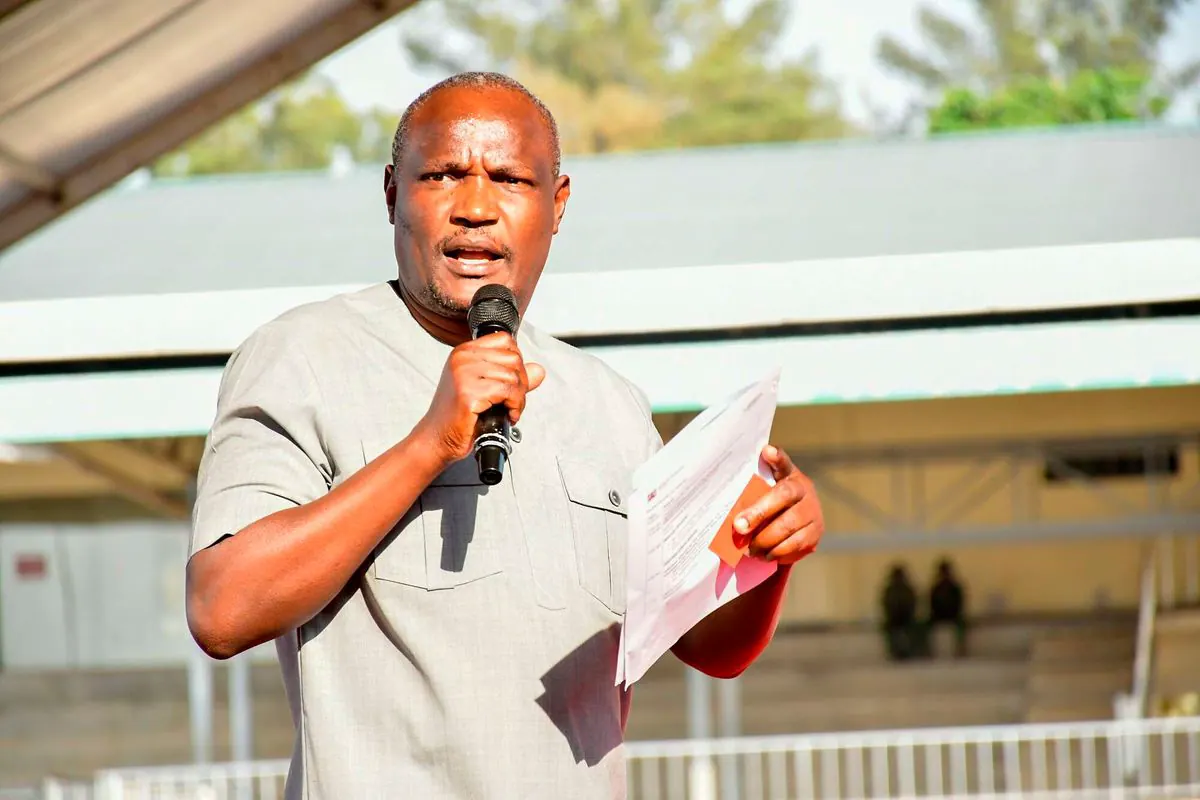
Agriculture Committee chairperson John Mutunga said the government had been asked to consider deploying the electric equipment to organised cooperatives and noted that four units had been presented to the Ministry of Agriculture for possible distribution.
Mutunga linked the proposal to the government’s subsidy programme for milk coolers, saying that cheaper transport could help farmers reduce the cost of moving milk from collection centres to cooling plants.
The company’s proposal comes as the government invests in milk-cooling equipment for cooperatives, raising questions about whether the infrastructure can deliver its benefits without affordable transport solutions.