The ICEA LION Retirement Preparedness Index for 2026 recorded a score of 57.9 per cent, up from 54.2 per cent in 2025, an increase of 3.8 percentage points, and the study classified the nation’s overall readiness as moderate.
The rise is attributed to higher statutory contributions to the National Social Security Fund and growing public awareness of personal finance.
The index draws on responses from 1,300 participants – 1,000 working adults and 300 retirees – sampled across Nairobi, Mombasa, Eldoret, Nakuru, Nyeri and Kisumu.
Seventy-six per cent of retirees reported owning a rural home, yet only 39 per cent said they can fully meet their monthly living expenses after leaving employment.
Ownership of income-generating assets remains limited, with 22 per cent possessing rental properties and eight per cent holding government bonds.
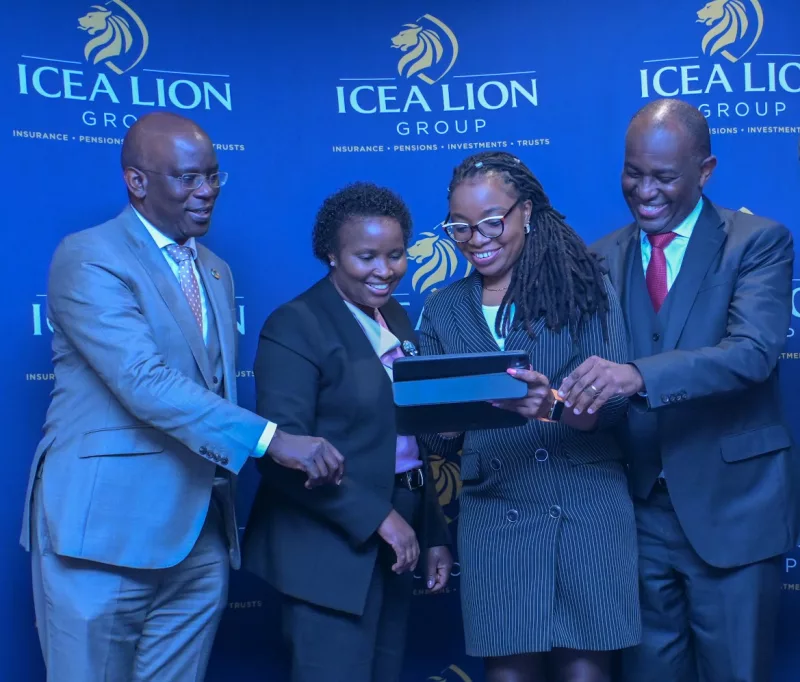
Catherine Karimi, chief executive of ICEA LION Life Assurance, said Kenyans are diligent about acquiring land and building homes but need to focus on investments that provide predictable monthly income. “Bricks and mortar do not pay monthly grocery or hospital bills,” she said.
The survey found that 61 per cent of retirees either struggle or only partially meet daily costs, while 49 per cent of working adults believe they have fully planned for retirement.
Healthcare emerged as a major expense, with 45 per cent of retirees spending more than 30 per cent of their income on medical bills, and 57 per cent allocating over 20 per cent to food and household items.
Family responsibilities remain high, as 96 per cent of retirees continue to support relatives or dependants, and 70 per cent set aside a fixed portion of their retirement income for this purpose.
Liquidity concerns affect workers, with 32 per cent estimating their savings would last less than six months if income stopped, and 55 per cent of those who withdrew pension savings early doing so to meet emergencies.
Pension coverage among working adults rose marginally from 57 per cent in 2025 to 58 per cent in 2026; about 60 per cent of those without coverage work in the informal sector.
In the absence of formal pensions, 84 per cent of workers expect to rely on SACCOs and bank deposits as their primary retirement cushion.
Among young workers aged 18 to 25, 45 per cent plan to retire before age 60, yet only 21 per cent have any pension savings, the lowest coverage of any age group.
Philip Lopokoiyit, chief executive of ICEA LION Group, said the retirement benefits industry must develop products such as micro-contributions, portable benefits, post-retirement medical cover and emergency-savings buffers to serve workers outside formal employment.
The sector’s assets under management grew 24.6 per cent year-on-year to KSh2.81 trillion by December 2025.
ICEA LION reported that 82 per cent of respondents are aware of inflation’s impact on savings, but only 38 per cent are actively investing to counter it.
The insurer’s free online Individual IRPI Calculator attracted 65,000 users, with 1,200 completing the full assessment to receive a personalised retirement readiness score.