Supercoin has filed a licensing request with Kenyan regulators to issue a digital token pegged to the Kenyan shilling.
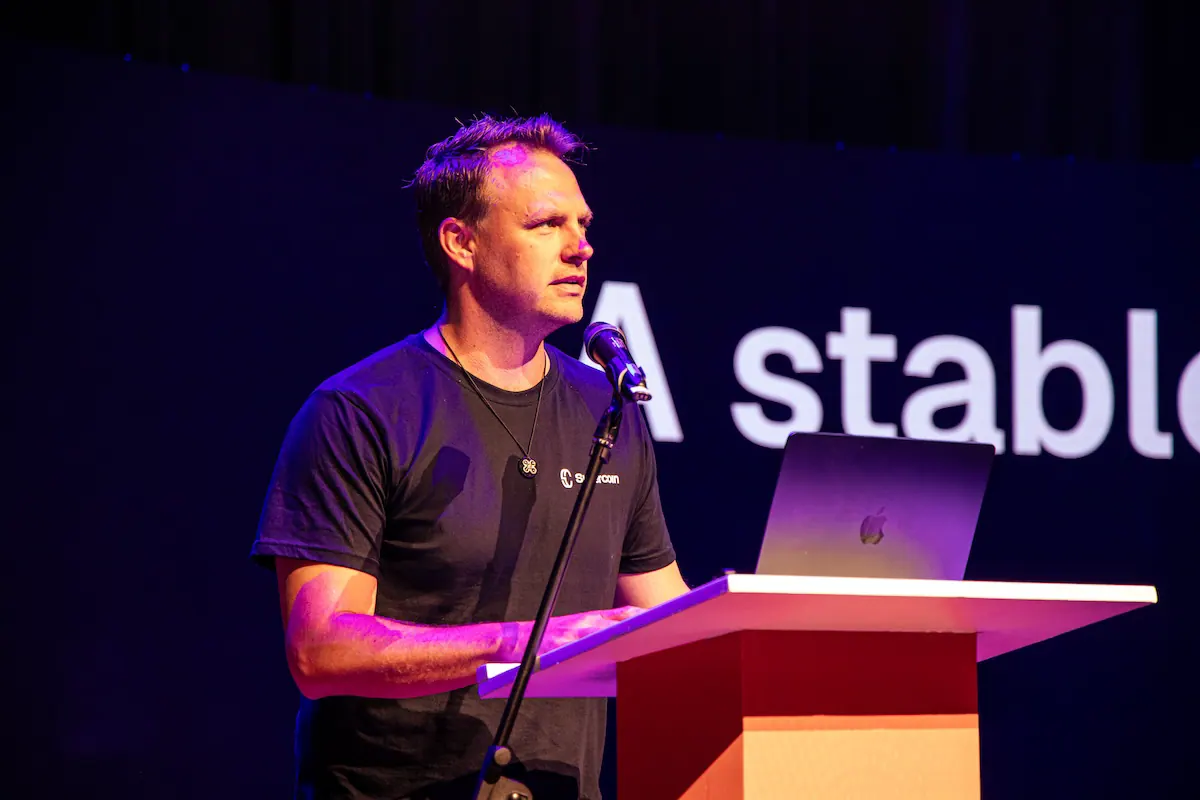
Managing Director Gideon Greaves said the application was lodged as the company prepares to launch the token, a remark made at the Africa Stablecoin Summit 2026 in Cape Town.
The request comes as Kenya implements its Virtual Asset Service Providers (VASP) framework, with the Central Bank of Kenya and the Capital Markets Authority beginning to issue licences in November and requiring firms to meet a minimum paid-up capital of KSh300 million.
The International Monetary Fund, in a November review, highlighted concerns about the cost of compliance and the treatment of foreign-denominated stablecoin reserves under the new rules.
Supercoin already operates a rand-backed stablecoin called ZARsc and runs the Supercoin Mint platform that lets businesses issue and redeem tokens against rand deposits, arguing that African currencies need comparable digital infrastructure.
“The dollar was just the beginning. Africa runs on rands, shillings and naira, and our own currencies deserve the same speed and reach on-chain that the dollar already has,” Greaves said.
Cryptocurrency activity in Kenya reached roughly KSh740 billion in the year to June 2026, a 38 per cent rise from the previous period, while Bitcoin accounted for only about 2 per cent of that volume.
Global stablecoin assets totalled about US$290 billion, with dollar-pegged tokens representing roughly 99 per cent of the market, according to figures cited at the summit.
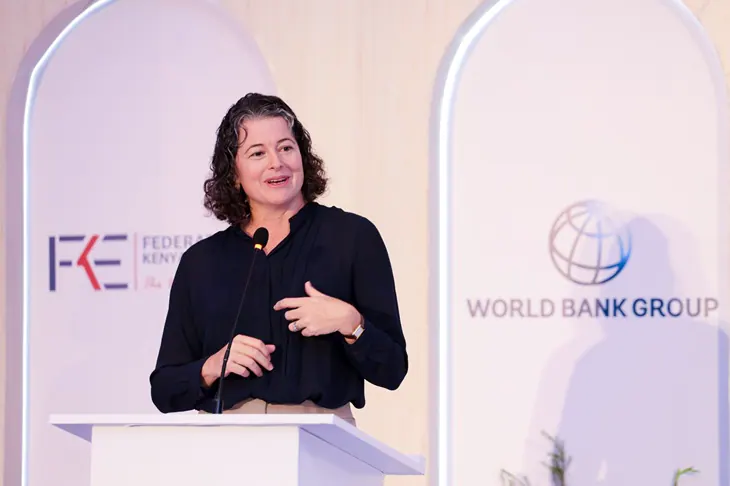
PawaPay Chief Executive Officer Nikolai Barnwell warned that blockchain settlement alone is insufficient, noting that “stablecoins can make moving money across borders faster and more efficient. But settlement is only one part of a payment. You still need to get money into and out of local payment systems, manage liquidity and deal with the regulatory and operational realities of each market.”
The application has not yet been approved, and Supercoin’s ability to issue the token will depend on meeting the regulatory requirements for reserves, redemption and consumer protection.