SBM Bank Kenya reported a net profit of KSh591.2 million for the nine months ended September 30, 2026, a rise of 108.83 per cent from KSh283.4 million in the comparable period last year.
The lender’s profit before tax increased 122 per cent to KSh911 million and operating profit climbed 197 per cent to KSh1.3 billion, while total income grew 33 per cent to KSh5.444 billion. Net interest income rose 29 per cent to KSh3.443 billion and non-funded income rose 39 per cent to about KSh2.0 billion.
SBM’s loan book expanded 23.3 per cent to KSh56.5 billion from KSh45.8 billion a year earlier. Fees and commissions from loans and advances tripled to KSh235 million and non-interest income increased by KSh484 million to KSh2.02 billion. Transactional income jumped 95 per cent and trade-finance commissions rose 98 per cent.
Customer deposits grew 29 per cent to KSh97.3 billion and savings rose 28.6 per cent to KSh97.2 billion, while the cost of deposits increased 14.8 per cent to KSh4.2 billion. Operating expenses rose 12 per cent, well below the pace of income growth.
The non-performing loan (NPL) ratio fell to 16.9 per cent from 32.3 per cent a year earlier, with bad loans dropping 40 per cent to KSh9.9 billion. Loans issued since May 2024, when CEO Bhartesh Shah took office, recorded an NPL ratio of 1 per cent. The bank booked a net impairment charge of KSh418 million for the period.
Capital adequacy declined to 15.4 per cent, 0.9 percentage points above the statutory minimum of 14.5 per cent. SBM Holdings, the Mauritius-based parent, injected KSh1.2 billion of paid-up capital in the last 12 months, and the bank is exploring tier-two capital options to enlarge its base.
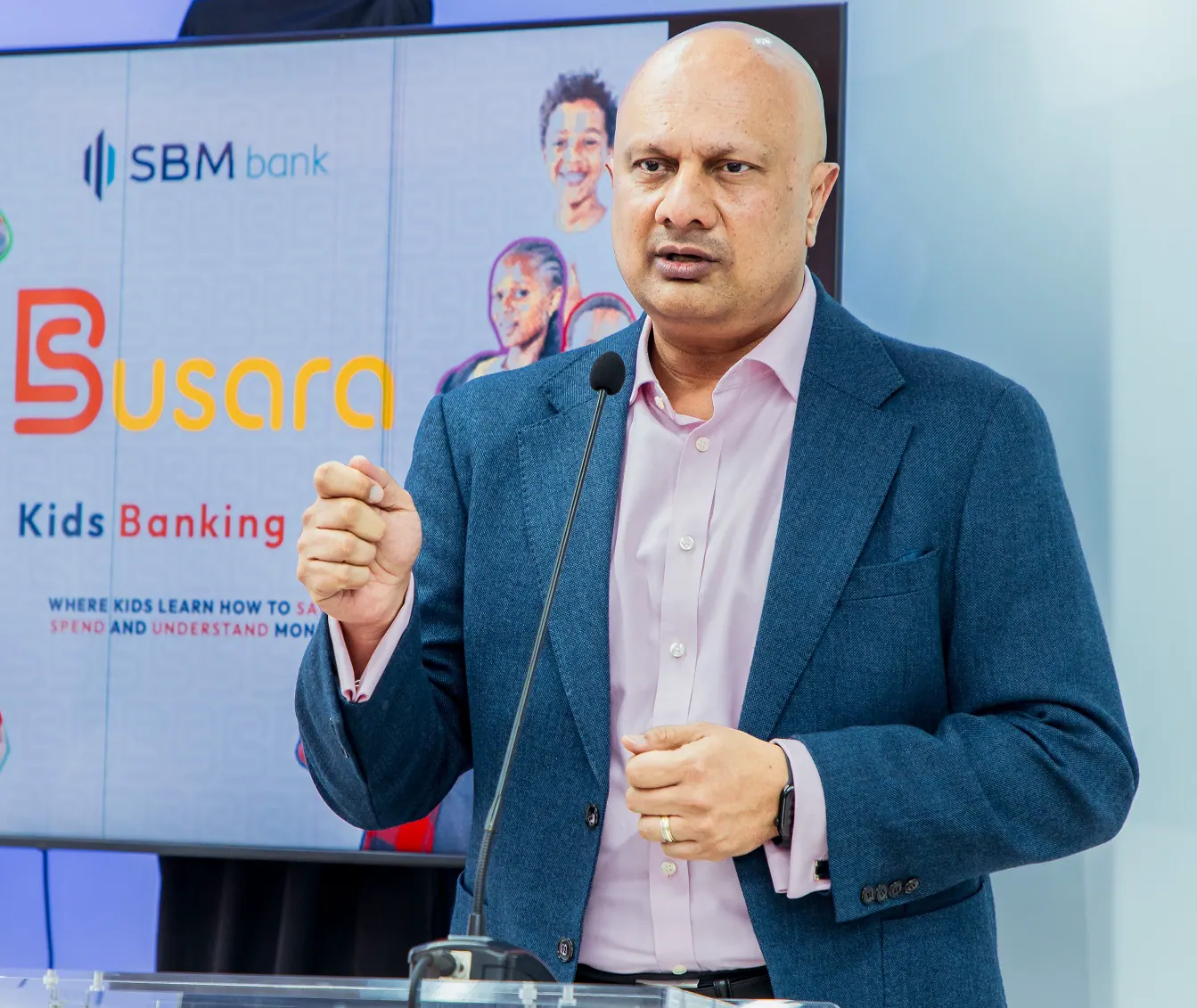
“What we did over the last two years is fix the fundamentals such as changing our old systems, introducing a lot more functionality on our mobile banking apps and new products. We also introduced attractive interest rates and all of that resulted in getting more customers who transacted more with us,” said CEO Bhartesh Shah.
SBM Bank Kenya completed an upgrade to the Oracle FLEXCUBE 14.8 core-banking platform and migrated to the iCUST loan-origination system, with a focus on shortening transaction turn-arounds, improving credit execution and boosting productivity across its 34 branches.
The bank entered the Kenyan market in 2017 through the acquisition of Chase Bank and Fidelity Bank and became the first lender to publish its nine-month financials, signalling a new season of strong profitability for the sector.