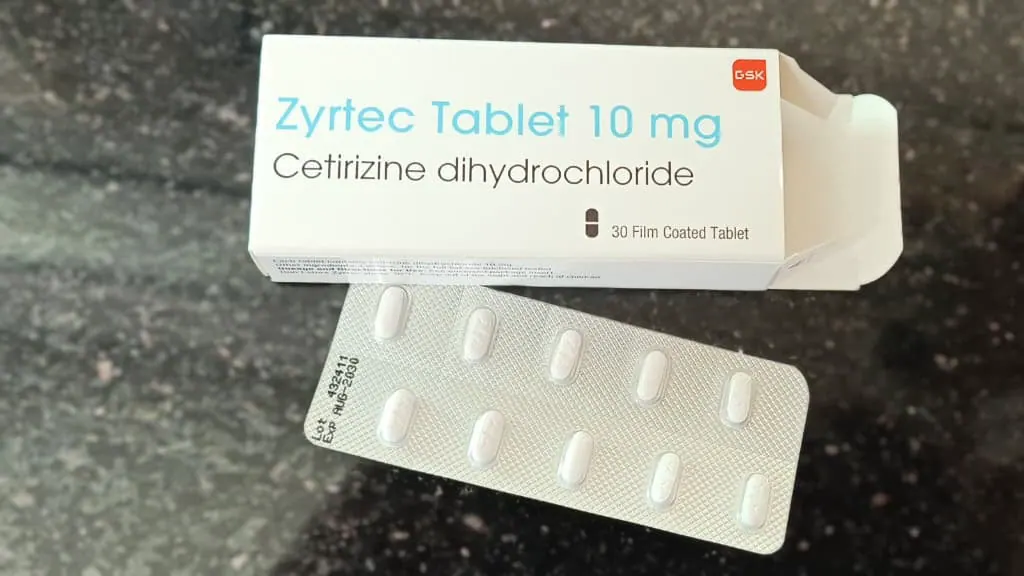
Kenya’s Pharmacy and Poisons Board (PPB) and the Pharmaceutical Society of Kenya (PSK) have issued warnings that women should not insert cetirizine tablets into the vagina.
The PPB released a public safety alert on November 4, 2026, signed by Chief Executive Officer Dr Ahmed I. Mohamed, stating that the Pharmacy and Poisons Act, Cap 244, limits cetirizine to oral administration.
The board warned that vaginal insertion may cause irritation, burning, soreness, pain or discomfort and could disrupt the vagina’s protective environment, increasing infection risk.
The PSK issued its statement on November 5, explaining that antihistamine-induced dryness does not equal vaginal tightness and that cetirizine tablet ingredients have not been tested on vaginal tissue.
The society added that reduced lubrication may raise friction, discomfort and the chance of tissue injury, and urged pharmacists to dispense medicines only as directed by labels, pharmacists or doctors.
The PPB also listed overdose effects such as sleepiness, dizziness, rapid heartbeat, confusion and difficulty passing urine.
The PSK reported higher demand, price rises and stock shortages for cetirizine at some outlets and called on pharmacies to maintain ethical pricing.
Ministry of Health Principal Secretary for Medical Services Dr Ouma Oluga expressed concern over social-media jokes and suggested a system to track medicine distribution and purchase, though no formal decision has been taken.
The board urged anyone experiencing adverse effects to report them via the PPB online portal, the mPvERS mobile app or by contacting the board directly.
The PSK advised anyone who has tried the practice to stop immediately and seek medical attention for pain, bleeding, burning, itching, unusual discharge or fever.