
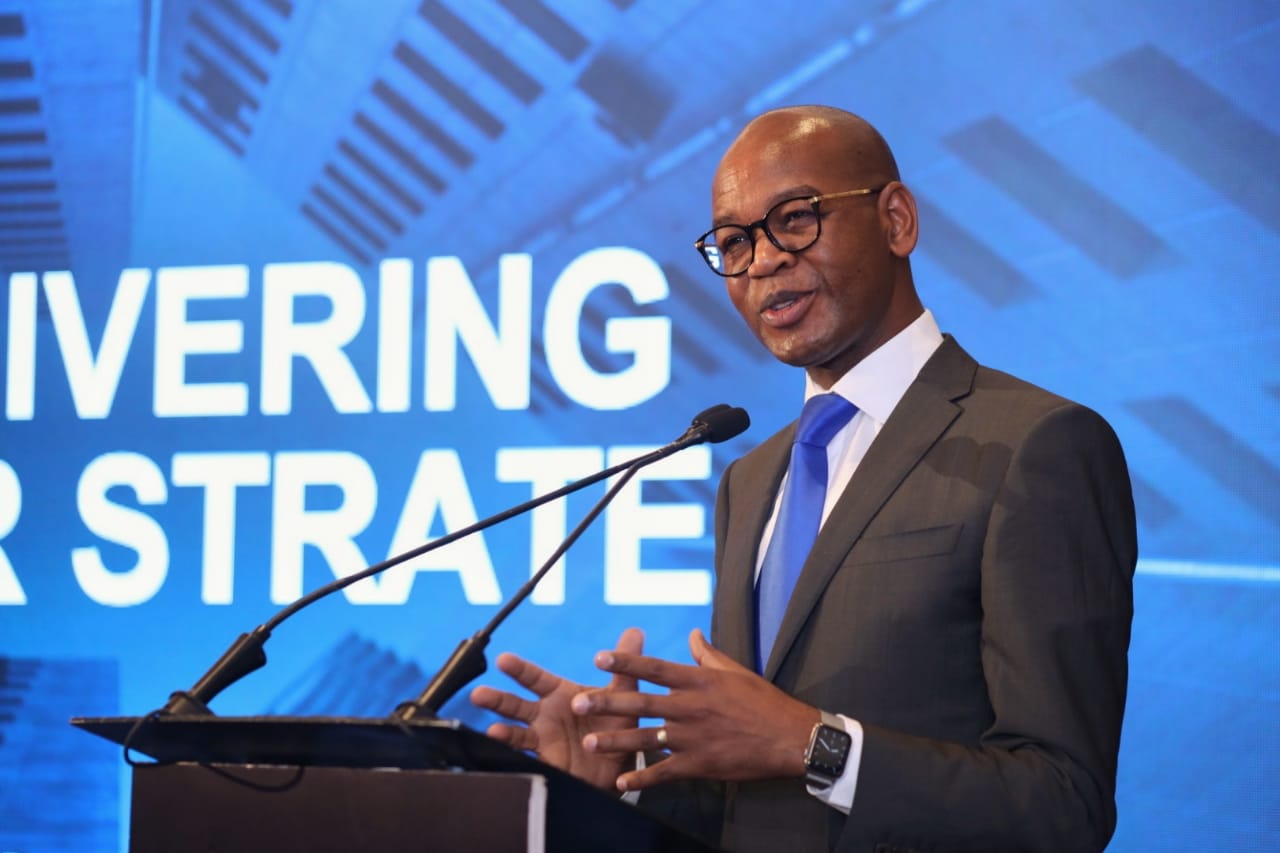
Oigara at Stanbic has become a lightning rod inside Kenya’s banking sector. Insiders say performance has slipped while boardroom tension has risen.
They describe a leadership style that centralises power, drives up executive costs, and fuels internal unease. While management speaks of long-term transformation, staff and analysts point to weak momentum, missed targets, and costly optics.
As pressure mounts across the industry, questions now follow Oigara at Stanbic about whether the bank’s direction matches shareholder and market expectations.
Oigara at Stanbic Falls Short of Industry Benchmarks
Oigara at Stanbic arrived with a strong résumé and high expectations. The market expected tighter execution, steady growth, and disciplined cost control. Instead, insiders describe a period marked by internal strain and uneven results.
Banking peers have pushed hard on digital growth, risk discipline, and customer value. Stanbic, sources say, has struggled to match that pace. Competitors have expanded lending and improved efficiency ratios. Stanbic’s momentum, however, has appeared uneven, especially in key retail and SME segments.
Several senior managers describe decision-making delays that slowed product rollouts. Others cite frequent strategy resets that created confusion. They say teams often received shifting priorities without clear timelines or measurable targets.
Analysts also point to rising overheads at a time when the sector faces margin pressure. They argue that leadership should have tightened belts and focused on core banking strengths. Instead, critics say the bank lost focus while rivals sharpened theirs.
Internally, the mood has grown tense. Staff describe a culture that discourages dissent and rewards loyalty over results. They say this approach weakened accountability and hurt morale. As performance pressure increased, divisions at the top became harder to hide.
Executive Spending Raises Red Flags
Sources inside Stanbic Bank allege that executive spending ballooned soon after Oigara assumed office. They point to frequent travel, luxury accommodation, and high-end retreats that strained budgets.
Staff familiar with internal figures say travel costs rose sharply without clear business returns. They also claim senior executives stayed in premium hotels even for routine meetings that could have happened virtually. In a cost-sensitive sector, such choices sparked anger.
Insiders also question the scale of public relations campaigns. They say the bank poured money into image-building efforts that promoted individual leadership profiles rather than institutional growth. Critics argue this focus diluted the brand and failed to translate into stronger market performance.
These spending patterns, sources claim, clashed with messages sent to staff about austerity and efficiency. Middle managers say they faced pressure to cut costs while senior leadership approved large bills. That gap, they argue, deepened distrust across the organisation.
Leadership Style Fuels Boardroom Storms
Oigara at Stanbic also faces criticism over his leadership style. Multiple insiders describe a top-down approach that sidelined experienced executives. They say key decisions often bypassed established structures, which weakened collective ownership.
This style, according to sources, triggered friction at the bank’s apex. Boardroom discussions grew sharper as performance lagged. Some directors reportedly pushed for clearer metrics and tighter oversight. Others questioned whether the current approach fit the bank’s culture.
Senior exits and reshuffles added to the tension. Insiders say constant changes disrupted continuity and slowed execution. They argue that strong banks rely on stable leadership teams, especially in volatile markets.
Staff morale suffered as uncertainty spread. Employees describe an atmosphere where rumours travel faster than official communication. They say this environment hurt productivity and customer focus.
Industry observers note that leadership credibility matters as much as strategy. When trust erodes at the top, it often filters down. In Stanbic’s case, critics argue that unresolved internal storms now threaten long-term competitiveness.
As scrutiny grows, Oigara at Stanbic faces a defining test. The market will judge whether he can reset priorities, rein in costs, and rebuild confidence. Until then, questions about performance and leadership will continue to follow his tenure.
Kenyan Business Feed is the top Kenyan Business Blog. We share news from Kenya and across the region. To contact us with any alert, please email us to [email protected]