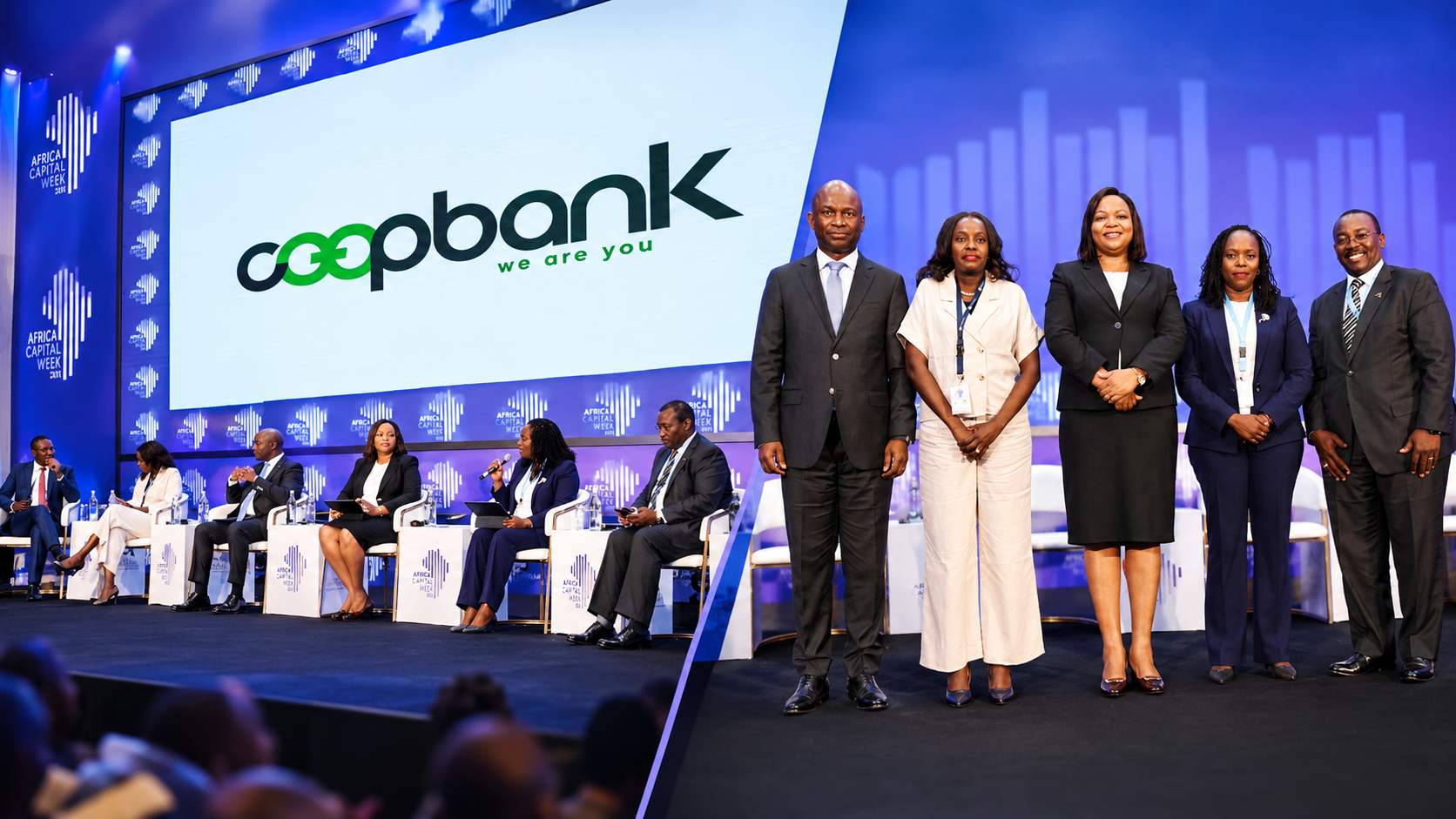
Co-operative Bank of Kenya is backing a more tailored approach to financing micro, small and medium enterprises. The lender says businesses need capital that matches their development stage, purpose and operating cycles. The position emerged during the inaugural Africa Capital Week 2026.
The bank sponsored a session examining access to capital for MSMEs and their contribution to economic activity. Caroline Karimi, Co-operative Bank’s Director of Finance and Strategy, represented the lender. She brought a banking perspective to discussions around the financing needs of smaller enterprises.
Karimi argued that the MSME capital challenge should not focus solely on increasing lending volumes. The structure and timing of funding can be equally important for business performance. Enterprises need financing suited to their cash flows, objectives and expected development timelines.
A growing business can require different forms of capital as its operations mature. Early stage enterprises may need patient funding while developing customers and establishing reliable revenues. More established businesses may require working capital or longer term financing for expansion.
The bank also pointed to stronger financial visibility as a route towards improved access to formal funding. Clear transaction records can give lenders better information about business performance and cash flows. They can also help entrepreneurs manage costs, plan investments and demonstrate financial discipline.
Many smaller businesses operate with limited financial information or inconsistent records. That can make it harder for lenders to assess repayment capacity and business performance. Improving financial visibility can therefore strengthen the basis for financing decisions.
Ecosystem financing was another area raised during the discussion on MSME capital. Such arrangements can connect enterprises with banks, investors and other financing partners. Risk sharing can also support businesses that have growth potential but do not fit conventional lending models.
Patient capital can give enterprises more time to strengthen their operations and establish sustainable revenue streams. Businesses often need time to develop systems, customers and predictable cash flows. Financing structures that recognise these stages can provide greater room for measured expansion.
Co-operative Bank's approach also links capital with stronger business capabilities and operating discipline. The lender says better financial visibility can help enterprises build credible transaction histories. Stronger records can then improve their prospects of becoming bankable and attracting investment.
The broader issue is how financial institutions can serve MSMEs without applying uniform financing models. Businesses differ widely in size, maturity, cash flow patterns and capital requirements. A more flexible approach could help direct funding towards enterprises at stages where it can generate stronger outcomes.
For Co-operative Bank, the objective is to connect suitable capital with stronger business practices and clearer financial information. The approach seeks to move enterprises towards greater bankability and investment readiness. It also places greater emphasis on financing quality rather than lending volumes alone.