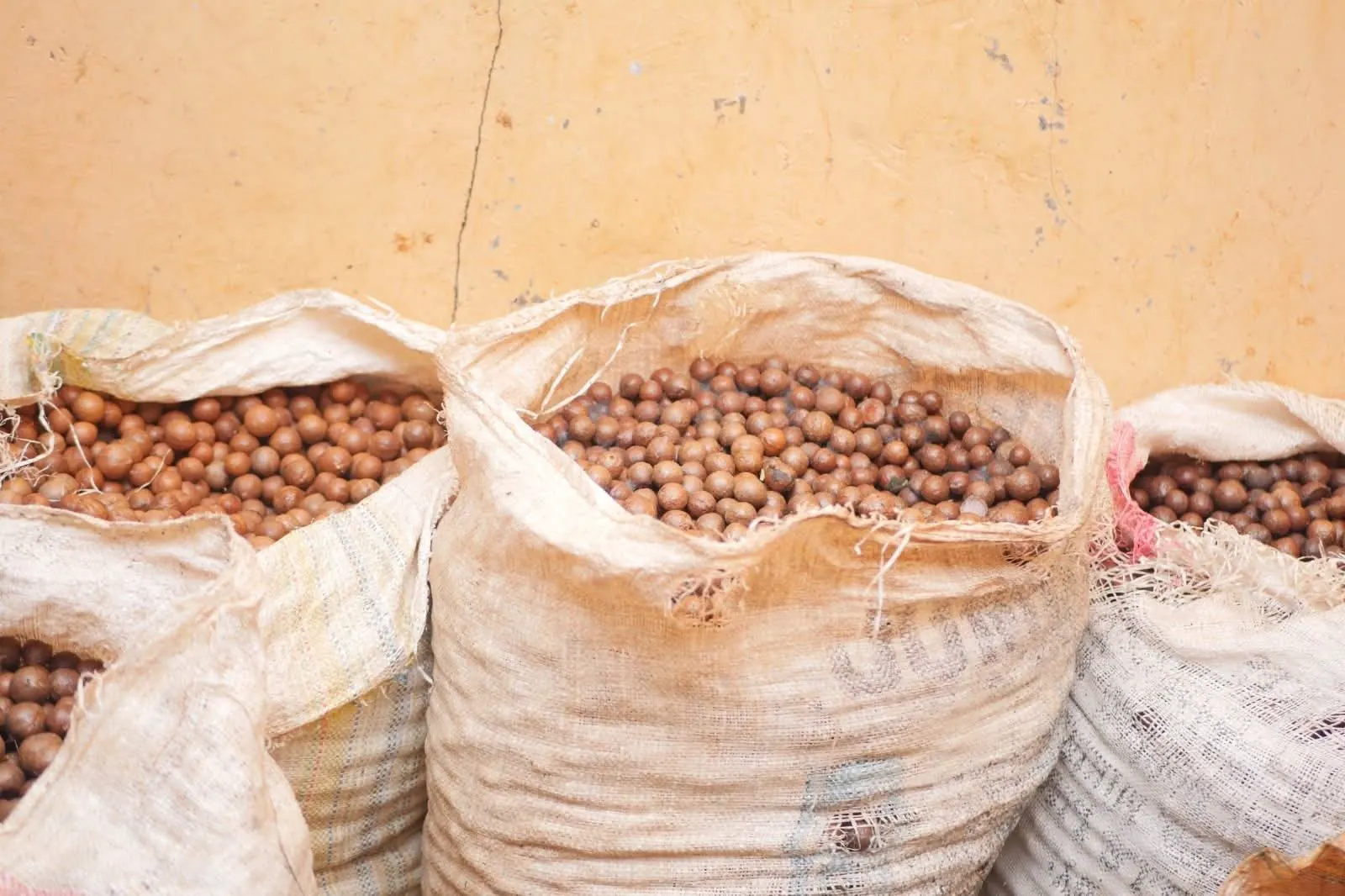
Over 30,000 metric tons of raw macadamia nuts still sit unsold after the three-month export window closed on October 10, with shipments totalling only 700 metric tons against an anticipated 14,000 metric tons.
The Agriculture and Food Authority (AFA) had authorised exports from July to October but then prevented the remaining allocation from leaving the country, leaving processors and growers to absorb the loss.
Mureithi Gichabi, vice-chairman of the Kenya Macadamia Growers Association, urged the government to lengthen the export period so dealers can meet contractual commitments and blamed the regulator for not facilitating inspections despite exporters bearing the associated costs.
Gichabi added that “inconsistent policies and regulatory uncertainty were undermining the multi-billion-shilling industry” and warned that some processing factories could close.
He also criticised the Agriculture and Food Systems Transformation Summit 2026 for sidelining macadamia concerns in favour of other value chains.
Njiru Kathangu, vice-chairman of the Nut Traders Association of Kenya, called for predictable policies, including regular lifting of the ban on raw nut exports to China, to give farmers alternative markets.
Calistus Kundu, acting director-general of AFA, reported that 14 companies moved 700 metric tons through the Port of Mombasa by the October 10 deadline.
Peter Mwangi, a macadamia value-chain expert, said the present crisis mirrors a similar glut three years ago that forced farmers to sell nuts on the street and led to a temporary export ban lift by former Agriculture Cabinet Secretary Mithika Linturi.
Mwangi identified growers in Murang’a, Nyeri, Embu, Meru, Kirinyaga, Uasin Gishu and Baringo as among those hit by the market uncertainty.
Moses Karasha, a stakeholder from Taita Taveta, urged amendment of the Agriculture and Food Authority Act to eliminate legal limits on raw-nut exports, noting that local processors cannot absorb the country’s annual output of about 75,000 metric tons.
Other participants suggested creating a government-backed fund modelled on the Coffee Cherry Advance Revolving Fund to support processors and ensure timely farmer payments.
Jacinta Mwai, representing large estates in Nakuru, said more than 5,000 metric tons were still awaiting shipment and urged AFA to extend the export window, warning that ongoing policy uncertainty harms investor confidence and Kenya’s reputation abroad.
Jane Wambui, a farmer from Murang’a, said the glut has weakened bargaining power and produced “some of the lowest farm gate prices” in recent years.
Stakeholders are now pressing for urgent policy reforms, arguing that without reliable markets and predictable regulations, both farmers and investors will continue to bear the cost of a struggling macadamia sector.