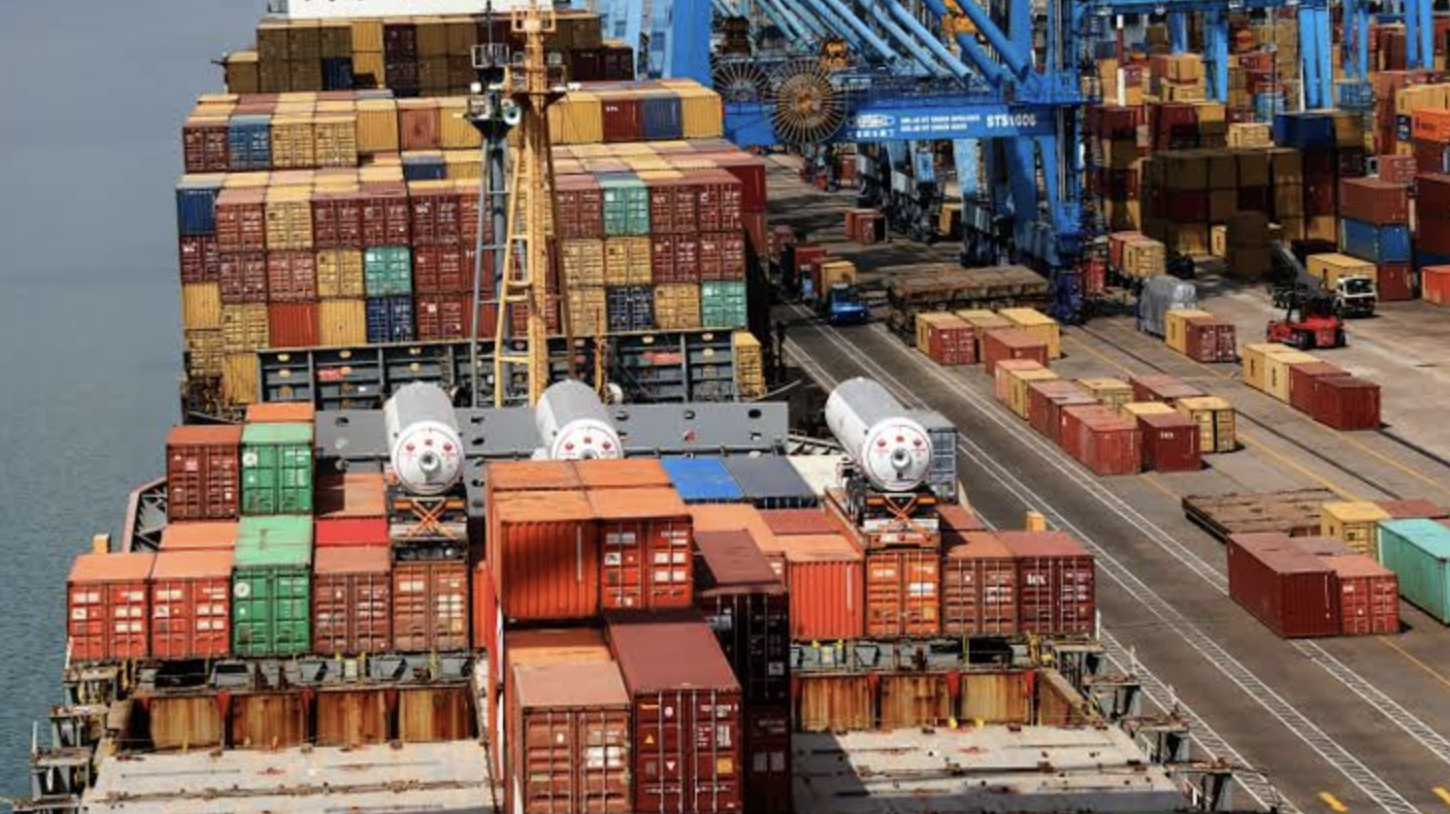
A new Kenya Revenue Authority valuation benchmark for consolidated cargo has taken effect this week, raising the threshold used to assess import duty on containerised goods to KSh3.2 million, up from the KSh2.5 million level traders had spent weeks lobbying to preserve.
What's Changing
The change follows months of tension between KRA and the trading community. Business groups, led by the Kenya National Chamber of Commerce and Industry, had petitioned against an earlier directive on the grounds that it carried serious legal and economic consequences for importers, warning of disruption to supply chains already stretched thin.
Following talks between KRA and KNCCI, the authority agreed to extend the previous, lower threshold as a bridging measure, giving importers additional time to adjust before the new benchmark came into force this week.
Crucially, KRA has committed to locking in the new KSh3.2 million rate for two years once it takes hold, a concession aimed at giving traders the pricing certainty they had been asking for.
Consolidators who believe their specific cargo warrants a lower valuation bracket retain the right to request verification and reassessment.
What's at Stake
The stakes are considerable. Kenya's import sector includes more than 9,400 active importers managing roughly KSh3.16 trillion in annual imports, and consolidated cargo, where multiple smaller shipments are grouped together to reduce freight costs, is a mainstay of how small and medium traders bring in goods from Asia and the Middle East.
A benchmark set too high risks squeezing margins on already low-cost merchandise; set too low, it leaves KRA short of the revenue it is under constant pressure to collect.
The two-year rate lock suggests both sides are, for now, treating this as a settled compromise rather than the opening move in another dispute, though that will depend on how consistently KRA applies the new benchmark in practice.