Kenya's small and medium enterprises are the backbone of the economy, and yet, by the International Finance Corporation's own reckoning, they remain starved of capital to the tune of more than $19 billion, or roughly KSh2.5 trillion.
It is a gap that has barely moved in recent years, despite repeated pledges from lenders and development finance institutions to close it.
A Gap That Won't Close
The numbers explain why the issue keeps resurfacing. Kenya is home to an estimated 7.4 million micro, small and medium enterprises, which together contribute close to 34 percent of GDP and support nearly 16 million jobs, a workforce far larger than the formal public and private sectors combined.
Yet most of these businesses remain informally financed, relying on savings, family loans or expensive shylock-style credit rather than structured bank lending.
Ecobank's Response
Ecobank Kenya is among the lenders trying to chip away at that gap, expanding a suite of SME-focused products that includes working capital facilities, asset financing, stock financing, unsecured lending, trade finance and cash management tools tailored to smaller businesses.
The bank has also leaned on partnerships, working with the African Guarantee Fund and impact investor Melanin Kapital to share lending risk and provide the kind of business advisory support that many small enterprises lack in-house.
"SMEs are not simply another customer segment," Ecobank Kenya managing director Rebecca Mbithi said. "They are the heartbeat of Kenya's economy."
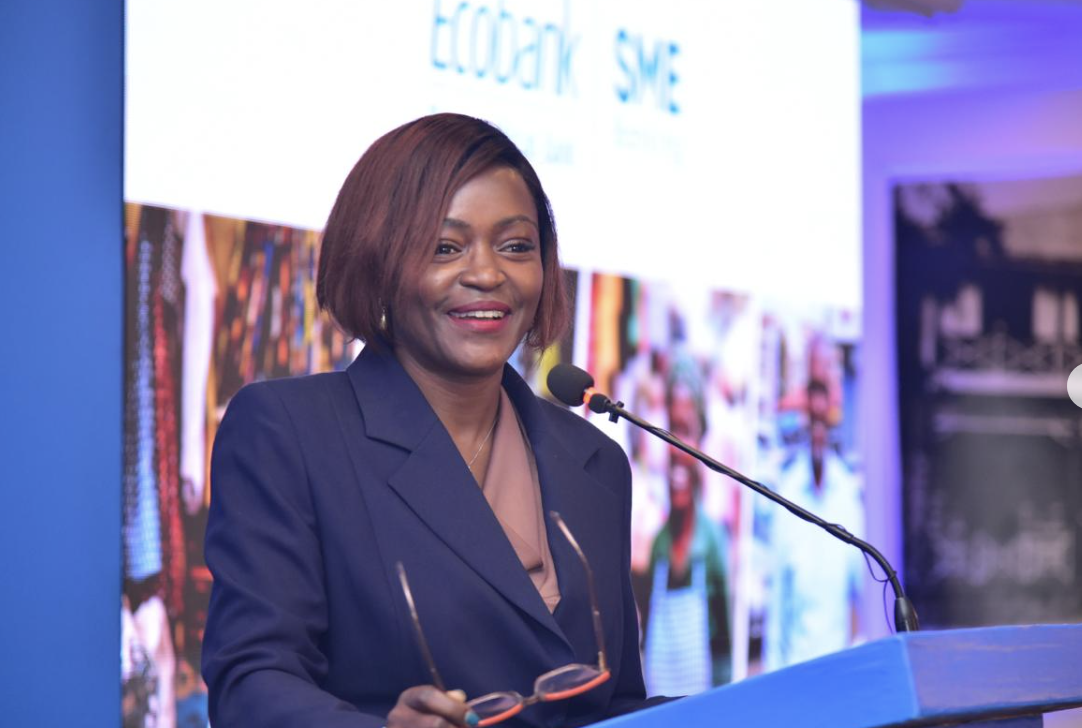
It is a line banks are fond of repeating, but Ecobank's continental numbers give it some backing: across its 34 African markets, the group served more than 4.5 million MSMEs in 2025 and disbursed over $783 million to women-owned enterprises specifically.
The Bigger Picture
Whether these initiatives meaningfully narrow Kenya's financing gap will depend on scale and speed.
For now, the mismatch between what SMEs contribute to the economy and what they can borrow against remains one of the more persistent structural weaknesses in Kenya's growth story, and one that lenders, regulators and development partners are still, by their own admission, a long way from solving.