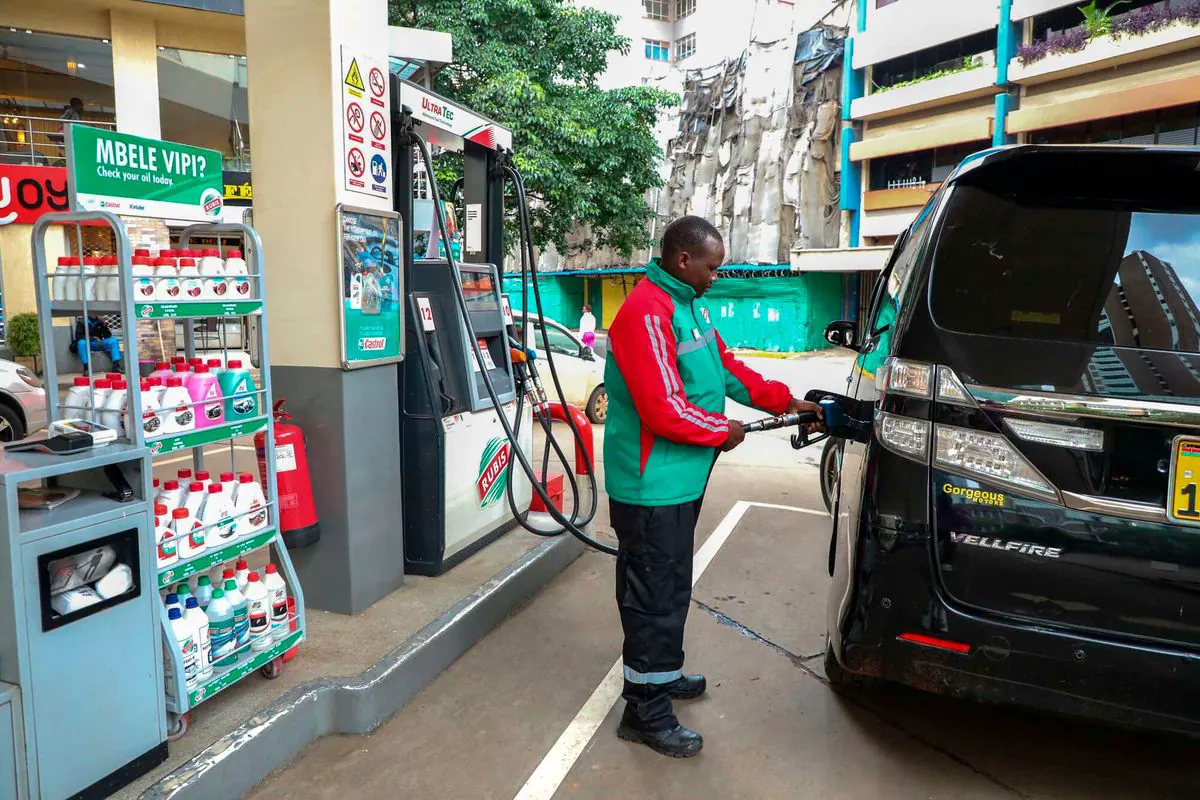
The State withdrew the fuel subsidy for the first time since August 2025, sending petrol up by KSh12.93 per litre and diesel up by KSh9.90 per litre.
In Nairobi, diesel now retails at KSh227.85, up from KSh217.86, while petrol is KSh226.96, up from KSh214.03, and kerosene rose by KSh28.49 to KSh219.87.
Edward Kinyua, Director General of the Energy and Petroleum Regulatory Authority (EPRA), said the move is intended to save enough money for the future as Europe heads into winter and global demand for diesel and kerosene is expected to surge.
The decision follows the depletion of the Petroleum Development Levy (PDL) Fund, which the State has used to ease costly petroleum and which is funded by motorists paying KSh5.40 per litre of diesel and petrol and KSh0.40 per litre of kerosene.
Between April and June, the government tapped more than KSh24 billion from the PDL Fund, almost the entire amount normally collected annually of about KSh26 billion.
EPRA noted that the PDL kitty had dried up after heavy withdrawals since April, leading to the withdrawal of subsidies across all petroleum products for the October-November cycle.
Inflation rose to 6.8 per cent in September, the highest since January 2024, as higher fuel costs affect transport, power generation, agriculture and household cooking.
Former Deputy President Rigathi Gachagua claimed that President William Ruto ordered the price hikes and described EPRA’s justification as “pure lies and conmanship”.
The government has extended the reduced Value Added Tax (VAT) rate of eight per cent on fuel to mid-December, and a bill sponsored by Majority Leader Kimani Ichung’wah proposes to extend that lower rate for another 90 days.
Global Brent crude traded at $105.98 per barrel, roughly KSh13,750.90, after renewed Middle East hostilities pushed prices above $100 per barrel.