Kenya Pipeline Company (KPC) announced a dividend of KSh5.81 billion (KSh0.32 per share) for shareholders on record as of November 30, 2026, after net profit grew 13.08 per cent to KSh11.58 billion in the year to June 2026, with the payment date yet to be fixed.
The dividend represents a payout of 50.1 per cent of net income, down from a distribution rate of 57.6 per cent the year before, and is lower than the KSh5.9 billion paid to the National Treasury when it was the sole shareholder.
Turnover rose 8.78 per cent to KSh42.98 billion, driven by higher fuel throughput in Kenya and the wider East African region, and net profit increased from KSh10.2 billion a year earlier.
Acting chief executive Pius Mwendwa said, "We are reserving cash for some of the key critical infrastructure projects that we are set to undertake."
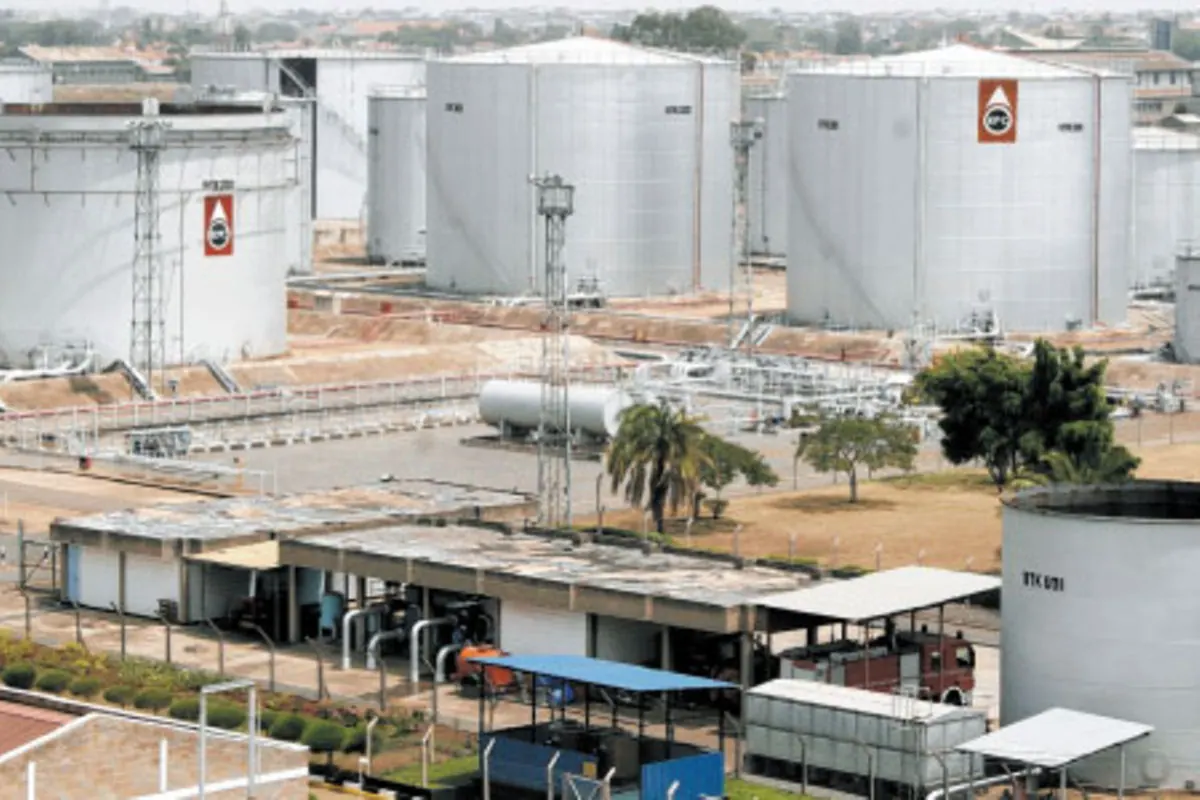
Planned projects include expanding tank storage capacity at an estimated cost of KSh5 billion and extending the pipeline to Kampala and later to Kigali, Rwanda.
KPC also intends to spend KSh600 million to enter the fixed internet market, building on its current leasing of wholesale dark fibre along pipeline corridors, with a target launch by February 2026.
Uganda will receive KSh1.17 billion on its 3.662 billion shares, while Kenya’s National Treasury will get KSh2.035 billion on its 6.36 billion shares.
The government of Kenya reduced its stake to 35 per cent from 65 per cent after the March listing, with Uganda and other local government institutions taking ownership; the National Social Security Fund holds 22.2 per cent and the Unclaimed Financial Assets Authority holds 3.06 per cent.
KPC’s shares closed at KSh9.04 on Tuesday, little changed from the KSh9 IPO price, and have remained largely flat since the March listing.
The dividend cut follows a broader trend of reduced payouts over the past five years, after a peak of KSh8 billion in 2022, a freeze in 2023 and a KSh7 billion payout to the National Treasury thereafter.
KPC aims to defend its position as East Africa’s largest petroleum player against competition from Tanzania for the preferred refined-fuel import point, serving Uganda, Rwanda and South Sudan under government-to-government deals; Rwanda switched from Tanzania to KPC in a deal signed in June.