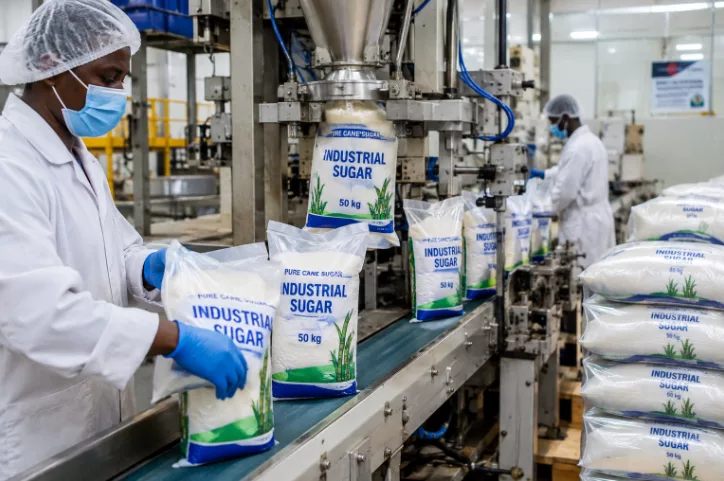
The Kenya Association of Manufacturers (KAM) has returned to the High Court in Nairobi to ask for the reversal of a 433 per cent excise duty increase on imported industrial sugar.
KAM filed a constitutional petition at the Milimani High Court last week, challenging the increase introduced by Section 36(a)(vi) of the Finance Act, 2026, which raised the duty from KSh7.50 to KSh40 per kilogram.
Justice David Mburu certified the application as urgent in directions issued on October 7, giving the case priority treatment and ordering KAM to serve the petition and related documents by close of business on October 8 and file proof of service.
The respondents – the State Law Office and the Kenya Revenue Authority – have seven days from service to file their responses, and a court mention is set for October 15 to confirm compliance with the directions.
KAM warns the higher tax will add an estimated KSh6 billion to manufacturers’ annual costs, could cut capacity utilisation by up to 50 per cent, and threatens about 3,000 jobs and more than 300 internship and apprenticeship positions.
“Industrial sugar is a critical production input rather than a finished consumer product and taxing it heavily increases the cost of making goods locally and could undermine efforts to expand manufacturing, attract investment and create employment,” KAM urges.
The association says industrial sugar is a key input for beverages, dairy, confectionery, processed foods and pharmaceuticals, and that the combined fiscal burden now reaches about 90 per cent of the product’s CIF value.
KAM argues the duty puts Kenyan producers at a disadvantage against regional rivals, noting that Uganda and Tanzania do not levy excise on industrial sugar and that roughly 90 per cent of Kenya’s exports in the affected categories are destined for the East African Community market.
The petition also challenges the legislative process, contending that the KSh40 per kilogram provision was omitted from the initially published Finance Bill 2026 and was only introduced on the floor of the National Assembly, potentially breaching constitutional public-participation requirements.
KAM seeks a declaration that the provision is unconstitutional and an order to quash the amendment, restoring the previous KSh7.50 per kilogram rate.
The urgency certification does not constitute a ruling on the merits, so the KSh40 per kilogram rate remains in force unless the court orders otherwise.