Kenya Kwanza and the Orange Democratic Movement (ODM) have formally agreed to work together towards the 2027 General Election, setting the stage for a new political arrangement with potential implications for Kenya's economic policy and business environment.
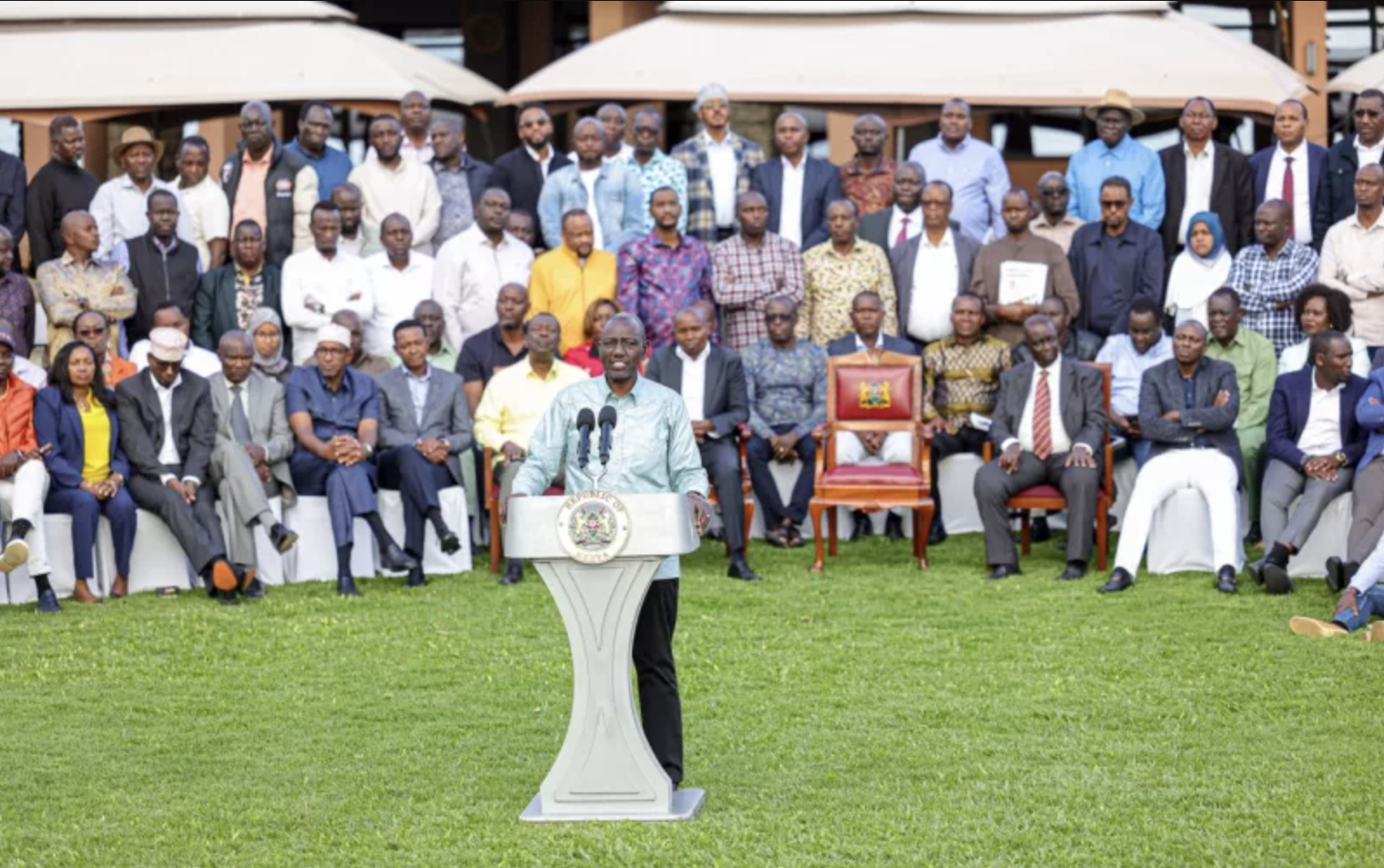
President William Ruto announced the agreement on August 10 following a retreat involving leaders from the two political formations in Naivasha.
The two sides agreed to develop a joint manifesto and establish structures to guide the coalition ahead of the elections. A 10-member team was also formed to draft the common manifesto.
Why businesses will be watching
Political developments can have a direct bearing on investor confidence, government spending priorities and policy direction.
Kenya's business community will be watching the coalition's eventual manifesto for commitments relating to taxation, infrastructure, public debt, manufacturing, investment, agriculture and the cost of doing business.
The government has repeatedly positioned economic transformation as a central priority, while the political partnership is expected to influence how existing development programmes are presented to voters.
ODM leader Oburu Oginga has also described the partnership in terms of economic transformation, arguing that political stability should be accompanied by deeper economic reforms and development.
Ruto, meanwhile, has said the broad-based alliance must defend its record as it prepares for the next election.
The formation of the coalition comes one year before the 2027 General Election and is likely to make economic policy a major component of the campaign.
For businesses, the key question will be whether political cooperation translates into greater policy predictability and concrete measures to address longstanding concerns about taxes, energy costs, credit and government payments.
The coalition's eventual manifesto could therefore provide important signals about Kenya's economic direction ahead of the election.