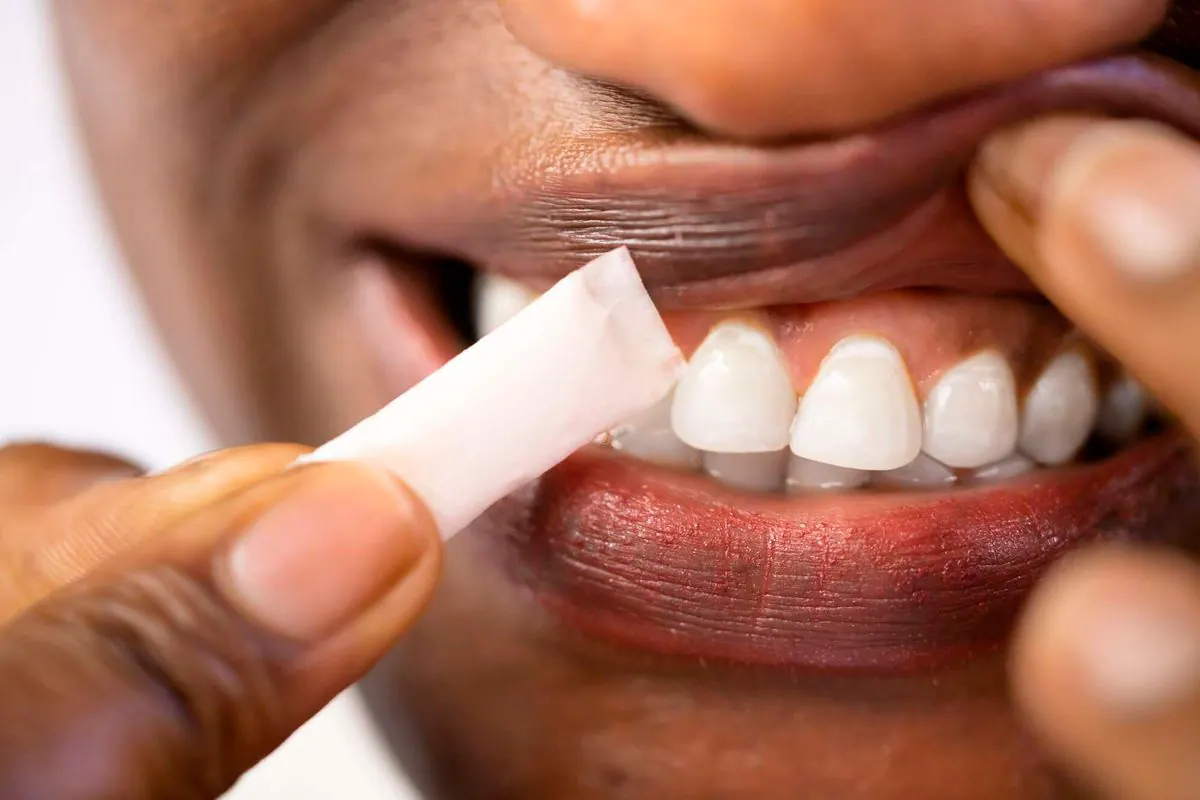
The Alcoholic Drinks and Drugs Control Laws (Amendment) Bill, 2026, introduced in the National Assembly, seeks to prohibit the manufacture, sale, use, advertising, promotion and distribution of nicotine pouches and shisha in Kenya.
The Bill, sponsored by Majority Leader Kimani Ichung’wah, provides for a fine of up to KSh5 million, a jail term of at least ten years, or both for anyone who contravenes the clause.
The proposed ban would affect several firms, including British American Tobacco Kenya, Philip Morris International’s Zyn brand, Consumer Brands International’s Goat, Dholakia Tobacco Pvt. Ltd’s Paz, NiqoCo Limited’s Sky, N.G.P Tobacco ApS’s Red Piper and the Gold Pouch brand.
BAT Kenya resumed sales of its Velo smokeless tobacco product in June 2025 after regulatory changes allowed the launch, and half-year sales of nicotine pouches helped offset a downturn in domestic sales in the first half of 2026 caused by illicit trade.
Management said nicotine pouches could represent a fifth of its annual sales in the medium term as the company pivots from traditional cigarettes, and the firm reported net revenue of KSh12.2 billion, up 4.6 per cent, for the six months to June 2026.
Net profit rose 3.1 per cent to KSh3.08 billion, an interim dividend of KSh10 per share was maintained, finance income increased to KSh136 million from KSh97 million a year earlier and income tax expense fell slightly to KSh1.32 billion.
BAT Kenya collected KSh6.69 billion in excise duty and VAT, down from KSh6.76 billion a year earlier.
Chief executive Sidney Wafula said the company was still trying to understand the rationale behind the proposal, asking “Then there is another thing. So, how does this thing work?” and called for regulatory certainty and stability.
In 2024 the company sold its nicotine pouch manufacturing machinery after it had remained idle for five years because of a marketing ban, and said it would rely on imports once approval to reintroduce the pouches is received.
BAT Kenya had first introduced nicotine pouches in 2019 under the Lyft brand, but stopped a year later after the government ruled they should be regulated as a tobacco product.