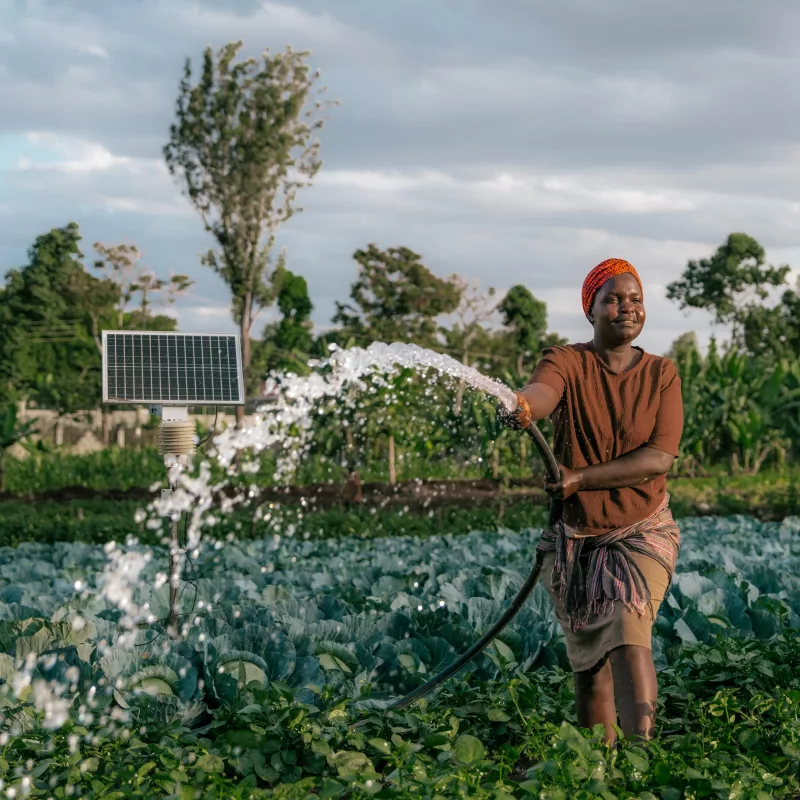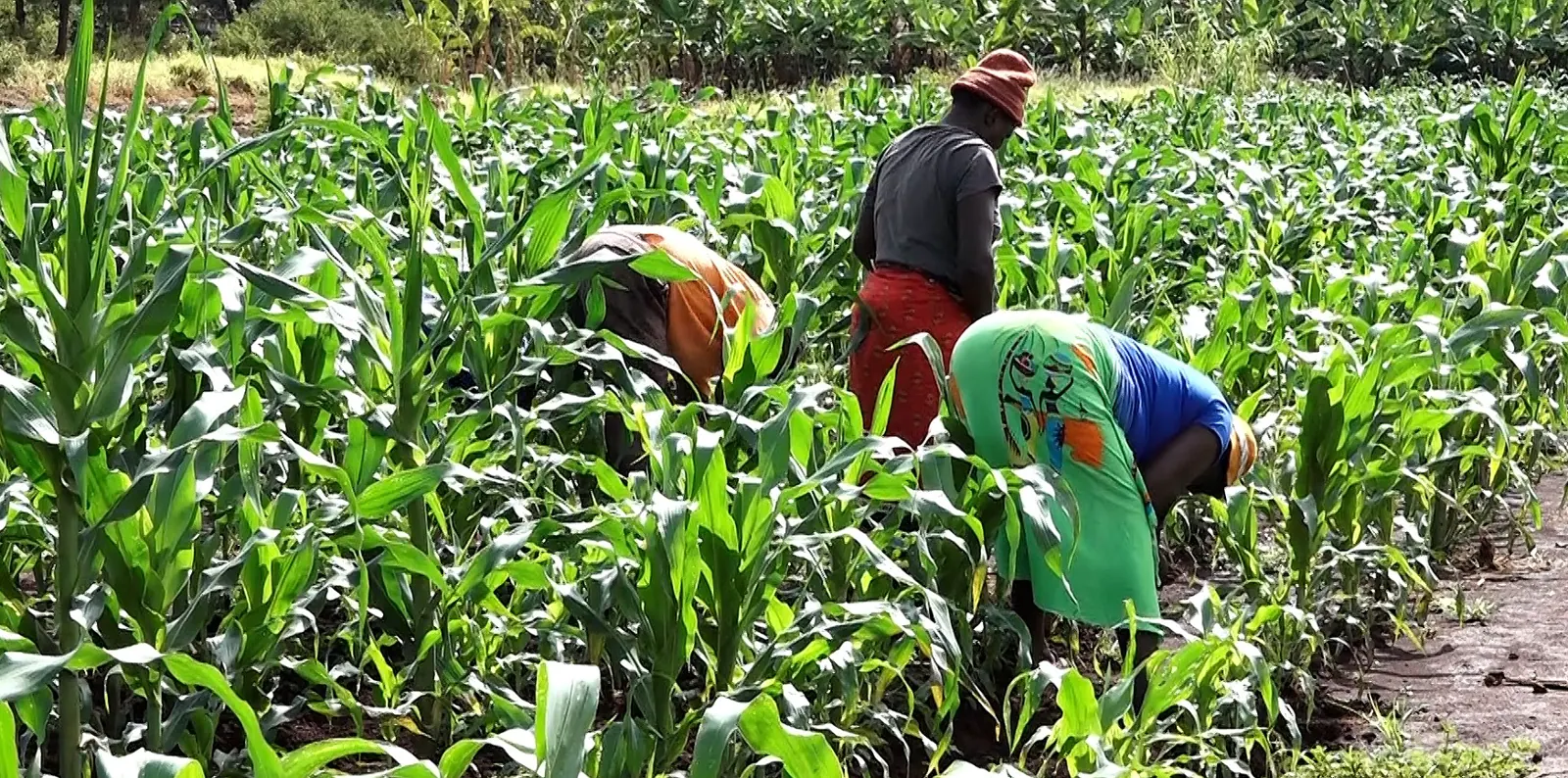
Kenya’s land area under crop farming expanded by 126 per cent over three decades, reaching 7.8 million hectares, according to the Kenya National Bureau of Statistics (KNBS).
The increase rose from 3.46 million hectares in 1990 and was driven mainly by the conversion of grasslands into croplands for food and industrial crops.
KNBS said in its Development of Land Accounts in Kenya report that grasslands were largely converted into croplands while forests were largely converted into grasslands and croplands, and that some croplands were turned into forestlands, illustrating agroforestry systems.
Maize production recorded the biggest jump, climbing from roughly 2.3 million tonnes in 1990 to 3.3 million tonnes in 2021.
Beans output rose from 400,000 tonnes to 700,000 tonnes, Irish potato production grew from 800,000 tonnes to 2.1 million tonnes, and rice increased from 40,000 metric tonnes to 200,000 tonnes over the same period.
KNBS added that the impressive growth rates can be attributed to expanded cultivated areas and higher yields, noting that tea and sugarcane output have risen while coffee and barley have declined due to sustained reductions in yields and acreage since 1990.
The report shows Kenya’s total land area is 59,203,808 hectares, of which 97.8 per cent is land and about 2 per cent water.
Only 20 per cent of the land cover is suitable for medium to high-potential agriculture, with the majority being arid or semi-arid.
Grasslands remain the largest share at 40,163,687 hectares or 67.8 per cent, followed by forestlands at 6.1 per cent, wetlands at 2.2 per cent and urban settlements at 1.8 per cent.