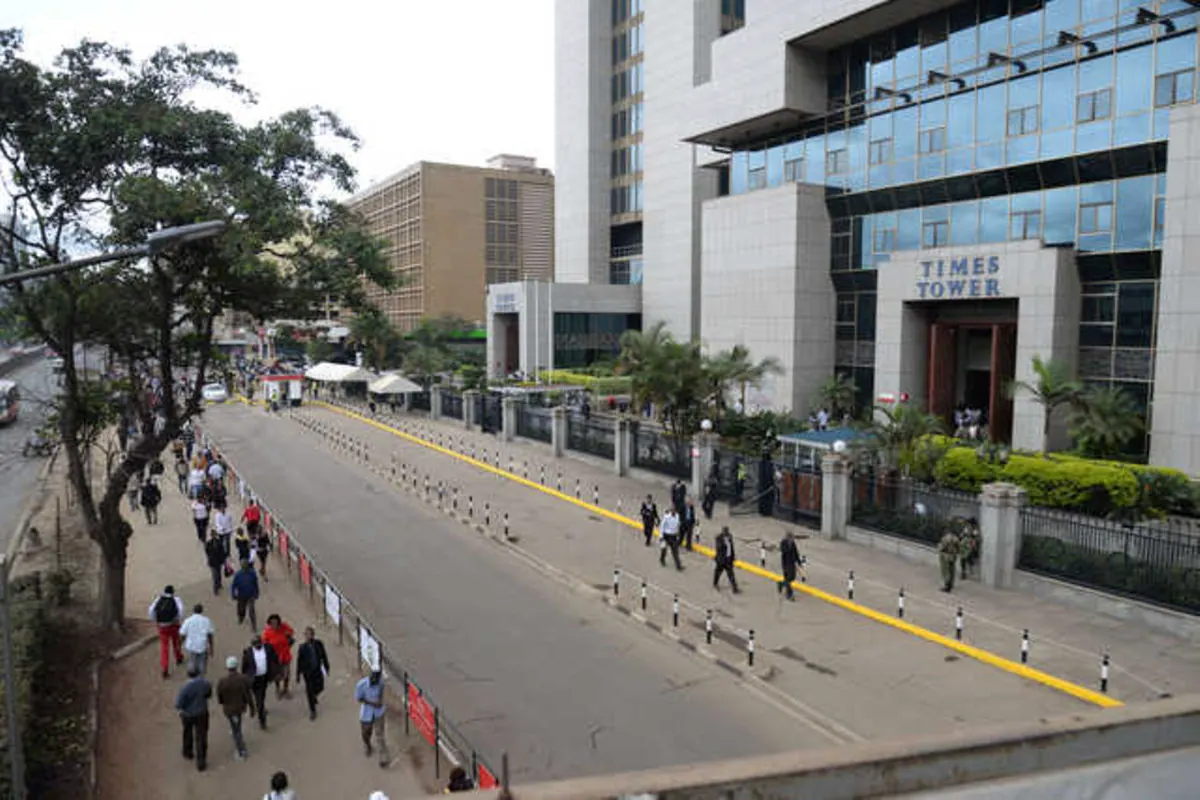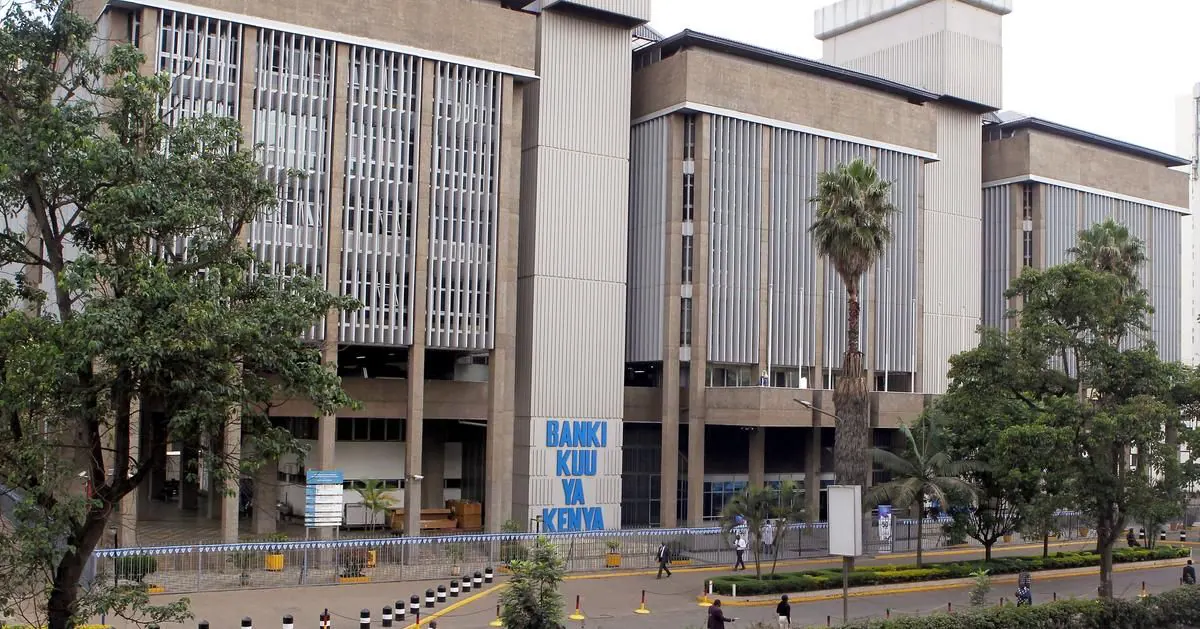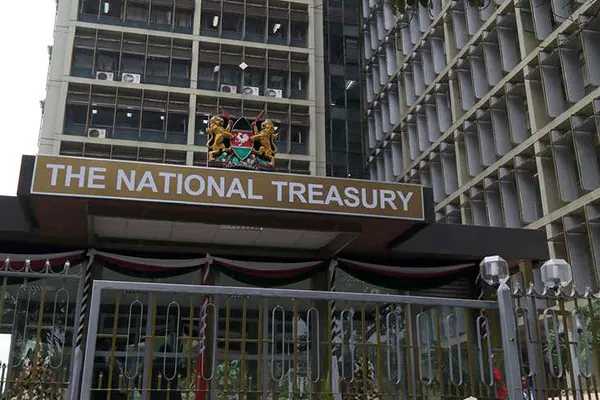
Kenya’s National Treasury announced that the 2027/28 national budget has been reduced to KSh5.236 trillion, a cut of KSh181 billion from the draft and the KSh5.323 trillion figure in the Budget Review and Outlook Paper.
The revised budget equals 22.8 per cent of gross domestic product and includes a KSh211 billion reduction in recurrent spending, while development spending is lifted by KSh1.3 billion but remains KSh40.9 billion below the BROP level.
Allocations set aside KSh506.5 billion for county governments and KSh2.0 billion for the Contingency Fund. Projected total revenue stands at KSh3.923 trillion (17.1 per cent of GDP), KSh81 billion lower than the previous print and slightly under the KSh3.943 trillion in the BROP. Ordinary revenue is unchanged at KSh3.249 trillion (14.2 per cent of GDP).
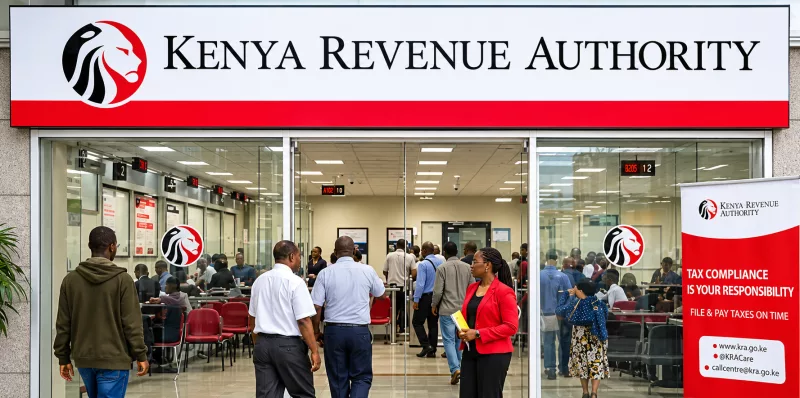
Appropriations in Aid are reduced by KSh80.7 billion to KSh673.8 billion, leaving the tax target unchanged for the Kenya Revenue Authority.
The fiscal deficit is forecast at KSh1.229 trillion (5.4 per cent of GDP), KSh124 billion below the draft and KSh92 billion below the BROP figure. The deficit for 2026/27 is projected at KSh1.145 trillion (5.5 per cent of GDP) and is expected to fall to 3.6 per cent of GDP by 2030/31.
The Treasury plans to borrow KSh1.23 trillion to finance the budget, seeking KSh658.9 billion from domestic markets and KSh570 billion from external sources, a shift that reduces domestic borrowing by KSh270 billion compared with earlier estimates.
Treasury Principal Secretary Chris Kiptoo said the government expects to collect KSh3.92 trillion in revenue for the year starting July 2027, leaving a financing gap equivalent to 5.4 per cent of GDP.
He noted that by the end of September 2026 total government revenue, including A-i-A, was KSh801.5 billion against a target of KSh859.9 billion, a shortfall of KSh58.4 billion driven by income tax, excise duty and VAT deficits of KSh25.4 billion, KSh16.3 billion and KSh10.1 billion respectively.
Expenditure and net lending reached KSh1.19 trillion, exceeding the target of KSh1.04 trillion and pushing the fiscal deficit to KSh381.3 billion, more than double the planned KSh174.9 billion.
Kiptoo added that budget implementation in the first quarter of FY 2026/27 progressed smoothly despite the revenue shortfalls and front-loaded spending.
Public debt is recorded at KSh1.739 trillion, amounting to about KSh53.5 of every KSh100 of ordinary revenue, while other national obligations total KSh965.8 billion, leaving a negative balance of KSh107.2 billion before AIA and borrowing.
The Treasury highlighted rising public debt and debt-service costs as major risks, citing refinancing requirements and exposure to interest-rate and exchange-rate fluctuations.
To reduce reliance on conventional borrowing, the government intends to accelerate privatisation and partial sale of state-owned enterprises, expand public-private partnerships and launch a National Infrastructure Fund to attract private capital from pension funds, banks, private-equity firms and development finance institutions.
The proposed budget allocates KSh3.81 trillion to recurrent expenditure, KSh917.1 billion to development projects and KSh506.5 billion for county transfers, and will now be examined by parliament.