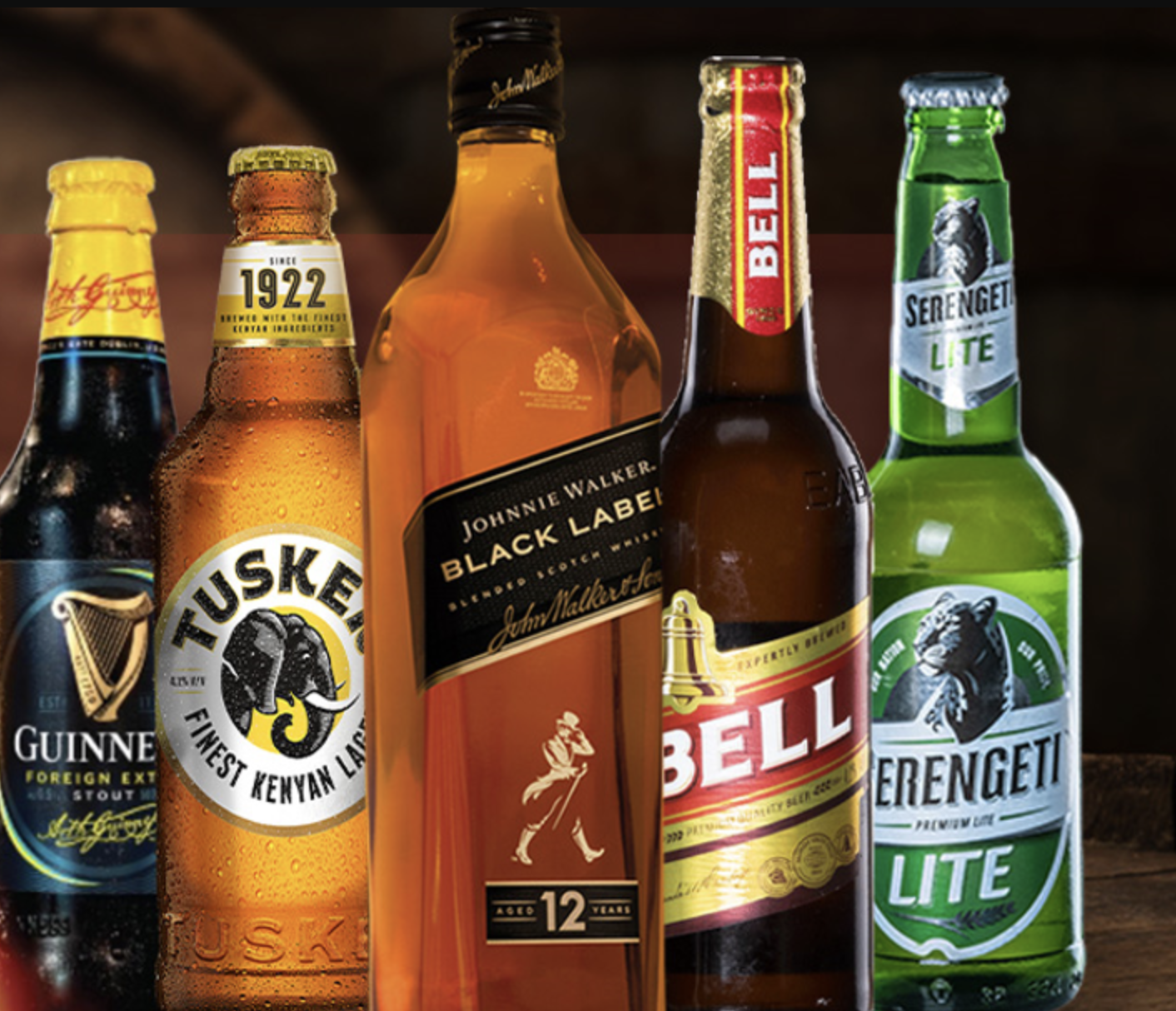
Kenya's Competition Authority has approved Japan's Asahi Group to buy Diageo's 65 percent stake in East African Breweries. The deal is worth $2.3 billion, about Sh295 to 298 billion. It means EABL, the company behind Tusker, Pilsner and Guinness in Kenya, is changing hands for the first time in decades.
Why Diageo Is Selling
Diageo first announced the sale back in December 2025. The company said it wanted to focus on its core business and pay down debt. "This transaction delivers both significant value for Diageo shareholders and accelerates our commitment to strengthen our balance sheet," said Nik Jhangiani, Diageo's interim chief executive, at the time.
A Kenyan court cleared a legal challenge to the deal earlier this year. That left the Competition Authority's review as the final step. Diageo's $2.3 billion is what it earns from selling its 65 percent stake. The deal values all of EABL at about $4.8 billion.
The Conditions Attached
The Competition Authority did not approve the deal without conditions. EABL must now give at least 20 percent of its fridge and cooler space in shops, bars and restaurants to rival drinks brands. This stops the bigger company from pushing smaller competitors off the shelf.
The regulator also told EABL to set aside enough money from the deal to cover any outstanding debts. Reports put this reserve at around Sh15 billion, though the final approval papers were not exact on the figure.
What Changes for Drinkers
For now, not much will change for ordinary drinkers. Tusker, brewed locally for more than a hundred years, is staying. Guinness will keep being made under a licence, even though Diageo no longer owns the company.
The bigger changes may come later. Asahi has called EABL "a high-quality, leading company in Kenya, Uganda, and Tanzania." The company wants to use EABL as a base for manufacturing and distribution across East Africa. That could eventually mean new products or changes to how beer gets to shops.
Diageo, meanwhile, is stepping back from Africa as an owner, keeping only licensing income from brands like Guinness. In its place is a Japanese brewer taking its first real foothold in the region, through one of Kenya's most recognisable companies.