Wealthy investors and fund managers spent a record KSh1 trillion on seven government bond auctions over a four-month period.
Investor bids since July topped KSh1 trillion, more than double the KSh480 billion the Central Bank of Kenya (CBK) initially sought, and the CBK accepted KSh654 billion, reaching 65.1 per cent of its net domestic borrowing target for the 2026/27 fiscal cycle.
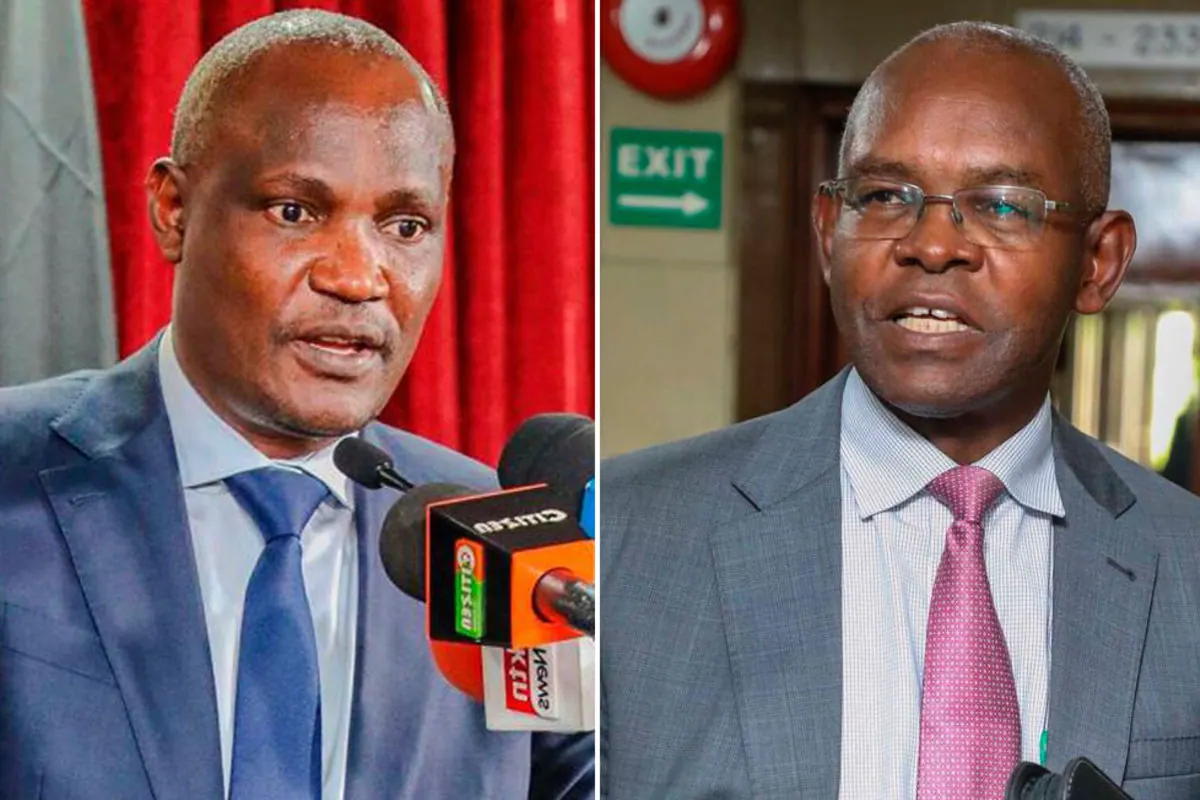
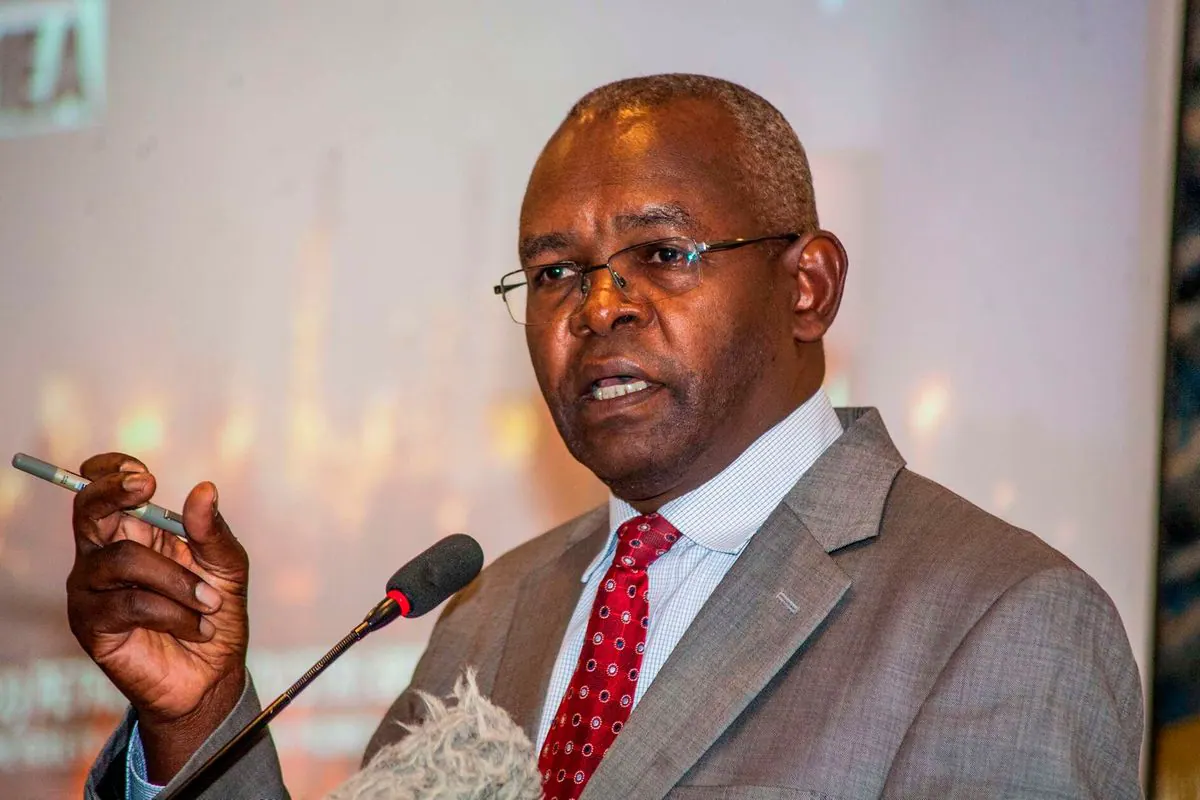
“The domestic market continues to support the growing budgetary financing requirements,” CBK governor Kamau Thugge told the National Assembly Finance and National Planning Committee. “This is supported by effective collaboration and coordination between the National Treasury and CBK, working with market participants and stakeholders.”
The largest subscription came in August when three reopened infrastructure bonds raised KSh312 billion against a target of KSh150 billion, while three tax-free bonds attracted bids worth KSh460.3 billion, achieving a performance rate of 307 per cent. All seven auctions were oversubscribed, and four switch bonds pushed out maturities of KSh49.6 billion, surpassing the KSh45 billion target after receiving KSh52.4 billion in subscriptions.
Analysts at Capital A Investment Bank said: “We expect a steady yield curve in the final quarter of the year. Domestic borrowing is ahead of the curve, with the fortnightly Treasury bond reopenings coupled with the bond switches aimed at lowering the short-term refinancing risk.” The CBK is seeking to raise KSh50 billion by reopening 15- and 30-year Treasury bonds in a sale running to November 4, and to switch KSh10 billion from maturing Treasury bills to a 10-year bond.
As of October 23, bonds accounted for 83.21 per cent of the KSh7.88 trillion domestic debt stock, with Treasury bills at 15.53 per cent. Financial corporations held about 80 per cent of local debt, households 6.16 per cent, non-residents 4.46 per cent and non-profits 0.91 per cent.
Investors have also placed close to KSh1 trillion in collective investment schemes such as money-market funds, special funds and fixed-income funds, while commercial banks’ fixed deposits, deployed in Treasury bills and bonds, stood at KSh3.2 trillion at the end of July. Analysts at AXYS Investment Bank warned that rebounding inflation could push investors toward the 91-day Treasury bill, noting: “We maintain our view that the 91-day paper will remain the preferred option, given that inflation is expected to remain elevated, on account of higher energy prices, plus drought conditions that continue to threaten agricultural output and could exert further pressure on food prices.”