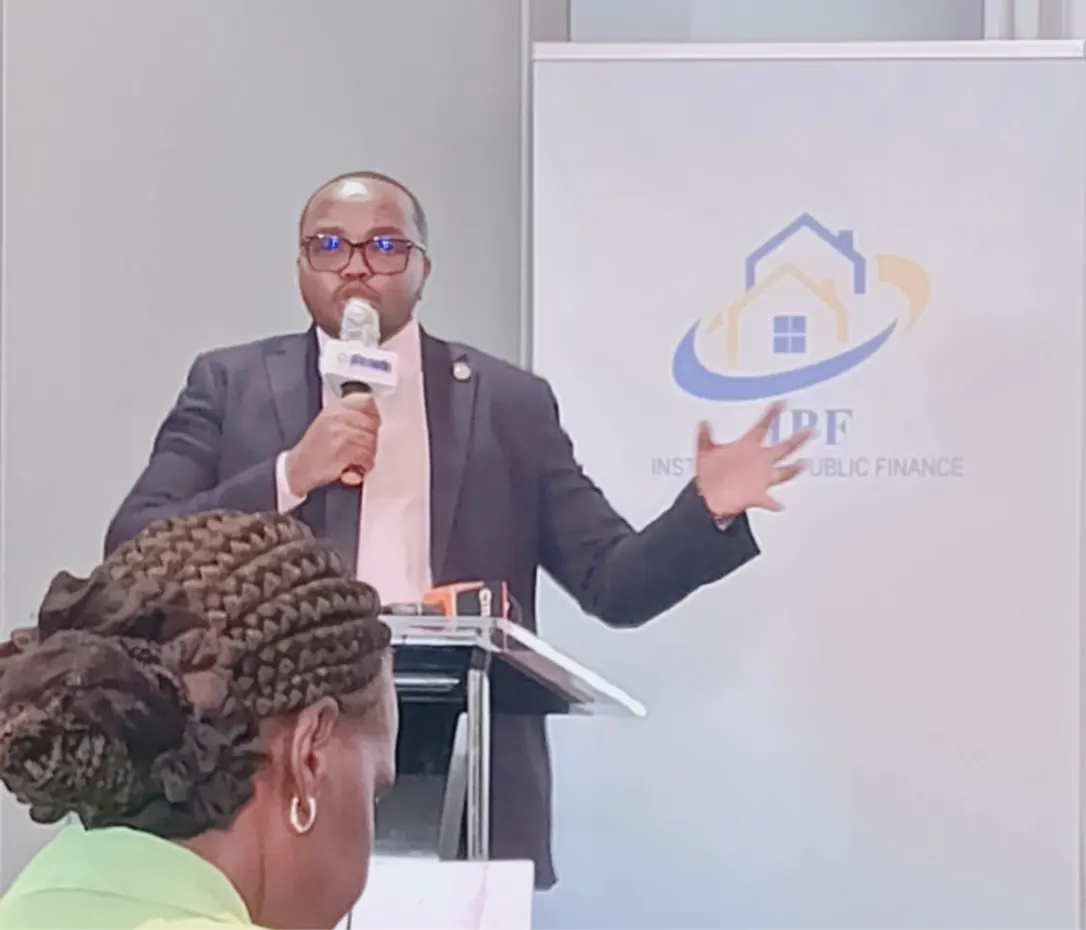
The Institute of Public Finance (IPF) released its 2027/28 Annual National Shadow Budget warning that Kenya’s proposed KSh5.2 trillion budget for FY2027/28 contains several gaps.
The analysis, titled From Budget Allocations to Public Outcomes, Closing Kenya’s Fiscal and Delivery Gaps, says the government may be over-estimating economic growth and revenue as the 2027 General Election approaches.
IPF notes the Treasury’s projected growth rate of 5.1 per cent, but points to slower growth in previous election cycles – from 7.6 per cent to 4.9 per cent in 2021-2022 and from 5.9 per cent to 4.9 per cent in 2016-2017 – and recommends revising the forecast downwards.
The Treasury expects total revenue of KSh3.9 trillion, including KSh3.139 trillion in tax revenue, an eight per cent rise on the FY2026/27 target, but IPF calls the targets overly ambitious and proposes a tax revenue target of KSh2.9 trillion, bringing total revenue to about KSh3.7 trillion.
The report highlights that recurrent expenditure and debt interest dominate the budget, leaving development spending at roughly 18 per cent of total outlays, below the statutory minimum of 30 per cent.
IPF records public debt at KSh13.013 trillion as of June 2026, equivalent to about 70.4 per cent of GDP, and says domestic debt servicing consumed 41 per cent of ordinary revenue in FY2025/26.
The institute’s analysis finds that 219 government projects worth KSh291.59 billion were stalled or incomplete in FY2024/25, while 77 projects valued at KSh136.8 billion were delayed and 18 projects worth KSh1.9 billion were abandoned.
Payments of KSh113.5 billion had already been made to projects that had not delivered services, suggesting weaknesses in contract management and supervision.
In the health sector, the Primary Healthcare Fund received only 31 per cent of its required resources in FY2025/26 and the Emergency, Chronic and Critical Illness Fund obtained just four per cent of its need.
The Health Insurance Subsidy Programme, which requires an estimated KSh37-39 billion to cover eligible poor households, was allocated only KSh310 million.
IPF says the proposed FY2027/28 education allocations would cover about 75 per cent of the required capitation funding and notes that cuts to Free Primary Education and Free Day Secondary Education totalled KSh32.4 billion between FY2023/24 and FY2025/26.
The National Safety Net Programme, needing more than KSh44 billion annually, is projected to receive KSh27.9 billion in FY2027/28, according to the institute.
The Women Enterprise Fund financed only 12,538 women in FY2024/25 against a target of 200,000, following the suspension of digital lending.
Climate-related funding in the shadow budget covers just 49.6 per cent of identified needs, raising concerns about Kenya’s preparedness for climate impacts.
IPF’s key recommendations include adopting more realistic growth and revenue forecasts, reducing pressure from recurrent spending, prioritising unfinished development projects, closing gaps in health, education and social protection, and improving transparency and oversight of public resources.