• About
  • Advertise
  • Privacy & Policy
  • Contact
Kenyan Business Feed
  • Home
  • African
  • News
    • Agribusiness
    • Courts
    • Hospitality
    • Manufacturing
  • Education
  • Health
  • Reports & Analysis
  • World Business
No Result
View All Result
  • Home
  • African
  • News
    • Agribusiness
    • Courts
    • Hospitality
    • Manufacturing
  • Education
  • Health
  • Reports & Analysis
  • World Business
No Result
View All Result
Kenyan Business Feed
No Result
View All Result
Home News

How Tullow KRA Ksh 23B Tax Dispute Exploded Into a Full-Blown Legal Fight

Inside the Billion-Shilling Battle Tullow Oil Refuses to Lose

Pon Dam by Pon Dam
How Tullow KRA Ksh 23B Tax Dispute Exploded Into a Full-Blown Legal Fight
Share on FacebookShare on Twitter

Tullow Oil has drawn a hard line against the Kenya Revenue Authority, flatly rejecting a Ksh 23 billion tax demand that could derail the British firm’s carefully negotiated exit from Kenya’s oil sector.

KRA claims Tullow underpaid Value Added Tax and Capital Gains Tax when it sold its Kenyan subsidiary to Gulf Energy Group in a deal worth at least USD 120 million. Tullow calls the assessment “wholly without merit” and says it will fight back through the formal objection process—with Gulf Energy standing firmly beside it. The battle is just beginning.

How Tullow-KRA's Ksh 23B Tax Dispute Exploded Into a Full-Blown Legal Fight
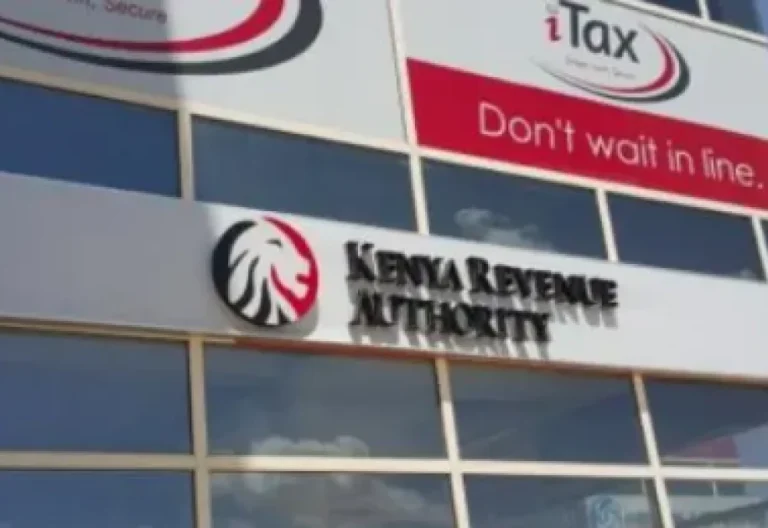
Tullow Oil’s rejection of KRA’s Ksh 23 billion demand draws a bold line in Kenya’s oil sector—and every energy investor watching will feel the consequences either way. [Photo: Courtesy]

Table of Contents

Toggle
  • Tullow Oil Fights Back Against KRA’s Ksh 23B Tax Demand Over Kenya Exit Deal
    • KRA’s Tax Math Does Not Add Up, Tullow Argues
    • The Deal Structure That Triggered the Dispute
    • Kenya’s Oil Sector Sits Under a Tax Microscope

Tullow Oil Fights Back Against KRA’s Ksh 23B Tax Demand Over Kenya Exit Deal

To understand why this dispute matters, you need to follow the money — and the timeline. In September 2025, Tullow Oil completed the sale of its 100 percent interest in oil blocks 10BB, 13T, and 10BA to Gulf Energy Group.

The sale, valued at a minimum of USD 120 million (approximately Ksh 15.51 billion), formed the centrepiece of Tullow’s wider strategy to exit Kenya and cut its debt exposure. Tullow structured the deal in three tranches: an initial USD 40 million already paid, a second USD 40 million due by June 2026, and a final USD 40 million payable once oil production begins.

KRA then moved in. The taxman conducted an audit covering the period 2020 to 2025 and emerged with a staggering bill—USD 141.6 million in VAT, USD 35.6 million in Capital Gains Tax, and roughly USD 1 million in Withholding Tax, totaling approximately Ksh 23 billion at the then-prevailing exchange rates.

Tullow did not flinch. The company publicly dismissed the assessment as excessive, inconsistent with the actual value of the transaction, and commercially unjustifiable. It has since confirmed it will challenge the demand through the formal tax objection process, with Gulf Energy joining the fight.

“The Group’s clear and firm position is that the assessment is wholly without merit,” Tullow said in a statement, adding that it intends to contest the claim through the regular objection process.

KRA’s Tax Math Does Not Add Up, Tullow Argues

At the heart of Tullow’s rejection is a fundamental disagreement over valuation. KRA’s total demand of approximately USD 170 million exceeds the minimum transaction value of USD 120 million. In simple terms, the taxman is demanding more in taxes than the deal itself was worth at its floor price. Tullow says this alone exposes the assessment as flawed.

The company insists it has strong legal and financial grounds to overturn the demand. It argues the VAT and Capital Gains Tax claims do not reflect the true economic substance of the transaction—the disposal of a 100 percent shareholding in its Kenyan subsidiary, Tullow Kenya BV, to Gulf Energy Group.

Tax experts familiar with cross-border energy transactions note that Capital Gains Tax assessments on share sales involve complex legal frameworks, particularly when the underlying assets—in this case, undeveloped oil blocks—have not yet generated production income. Tullow appears set to exploit this complexity in its appeal.

How Tullow-KRA's Ksh 23B Tax Dispute Exploded Into a Full-Blown Legal Fight
Tullow Oil spent years exploring Kenya’s oil frontier, then walked away with a sale—only to find the taxman waiting at the door with a Ksh 23 billion bill. [Photo: Courtesy]

The Deal Structure That Triggered the Dispute

The sale agreement between Tullow and Gulf Energy was not a simple cash transaction. It carried multiple layers that complicate any tax assessment. Beyond the three staged payments, the agreement includes royalty arrangements of USD 0.50 per barrel based on 80 percent of production.

Tullow also retained a 30 percent back-in right, meaning it could re-enter the project if new investors join future development phases. These features give the deal a long-term financial tail that extends well beyond the initial transaction close date.

KRA’s audit, which covered five years of activity between 2020 and 2025, suggests the authority looked beyond the headline sale price and applied its own valuation methodology to the broader commercial arrangements. Tullow rejects that approach entirely.

The dispute now directly threatens the next payment milestone. The USD 40 million tranche due in June 2026 depends on regulatory and development milestones, and an unresolved tax dispute of this magnitude creates real uncertainty for both Tullow and Gulf Energy as they try to close out the deal cleanly.

Kenya’s Oil Sector Sits Under a Tax Microscope

The Tullow-KRA clash does not exist in isolation. It lands at a moment when Kenya’s tax authorities are scrutinizing the entire oil exploration sector far more aggressively than before.

KRA has disclosed that oil exploration companies operating in Kenya collectively received substantial tax exemptions. Tullow Kenya BV alone benefited from Ksh 9.90 billion (USD 76.6 million) in tax relief. Other companies, including Eni and Anadarko, also accessed exemptions, pushing the sector-wide total to Ksh 12.47 billion (USD 96.5 million).

These figures have prompted increased regulatory attention to tax compliance and transfer pricing practices across the sector. Kenya has invested years and billions of shillings into developing its nascent oil industry, centred on discoveries in Turkana County. Yet the sector has yet to reach commercial production, and the government is clearly determined to extract maximum fiscal value from any exit transactions.

Tullow’s fight against the Ksh 23 billion demand will, therefore, set a critical precedent. If KRA succeeds, it signals an aggressive new posture toward oil sector exits. If Tullow wins, it draws a clear line on how exit transactions in Kenya’s upstream oil sector should be taxed — a line every remaining international energy company will be watching very closely.


Tags: Capital Gains Tax KenyaKenya Oil Sector ExitKRA Tax DisputeTullow Oil Kenya
Pon Dam

Pon Dam

Recommended.

Tourism CS Rebecca Miano discusses the economic impact and global appeal of the 2025 Safari Rally

Tourism CS Rebecca Miano Reveals Economic Impact of the 2025 Safari Rally

April 1, 2025

Petrol prices goes up by Kshs 5.43 in ERC review

May 14, 2019

Subscribe.

Trending.

Safaricom’s My OneApp combines M-PESA, MySafaricom and AI tools into one platform, simplifying payments, bundles and everyday digital services.

Explained: How Safaricom’s My OneApp Brings Payments, Airtime and Digital Services Into One Platform

April 23, 2026
Safaricom addresses My OneApp rollout challenges, apologising to users and moving to stabilise access across its digital platform.

Safaricom Addresses My OneApp Rollout Challenges

April 23, 2026
Co-op Bank Partners with WorldRemit to Power Seamless Diaspora Transfers in Kenya

Co-op Bank Partners with WorldRemit to Power Seamless Diaspora Transfers in Kenya

June 23, 2025
Safaricom has trained all employees in AI, signalling a shift towards automation, data-driven operations and personalized digital services across its business.

Safaricom Trains Entire Workforce in AI to Support Shift to Intelligent and Personalised Services

April 23, 2026

TouristTap App Links Visitors to M-Pesa and Airtel Money in Push for Cashless Tourism Payments

April 23, 2026
Kenyan Business Feed

We focus on news, analysis, and reports about Kenyan business, covering sectors like agriculture, finance, tourism, and technology.

Categories

  • African
  • Agribusiness
  • Courts
  • Education
  • Health
  • Hospitality
  • Manufacturing
  • NetWorths
  • News
  • Reports & Analysis
  • SLOT
  • SLOT BET 200
  • SLOT GACOR
  • SLOT ONLINE
  • Sugar Rush
  • World Business

Popular News

  • First look at the prison where El Chapo may live for the rest of his life

    First look at the prison where El Chapo may live for the rest of his life

    2157 shares
    Share 1040 Tweet 466
  • Sameer Africa CEO Sacked

    1804 shares
    Share 750 Tweet 439

Recent News

Fly 748.com Return Lifts Off as Maiden Flight Reconnects Kenya's Coast

Fly 748.com Return Lifts Off as Maiden Flight Reconnects Kenya’s Coast

May 1, 2026
How Tullow KRA Ksh 23B Tax Dispute Exploded Into a Full-Blown Legal Fight

How Tullow KRA Ksh 23B Tax Dispute Exploded Into a Full-Blown Legal Fight

April 29, 2026
  • Home
  • African
  • News
  • Education
  • Health
  • Reports & Analysis
  • World Business

© 2025 KBF

No Result
View All Result
  • Home
  • African
  • News
    • Agribusiness
    • Courts
    • Hospitality
    • Manufacturing
  • Education
  • Health
  • Reports & Analysis
  • World Business

© 2025 KBF