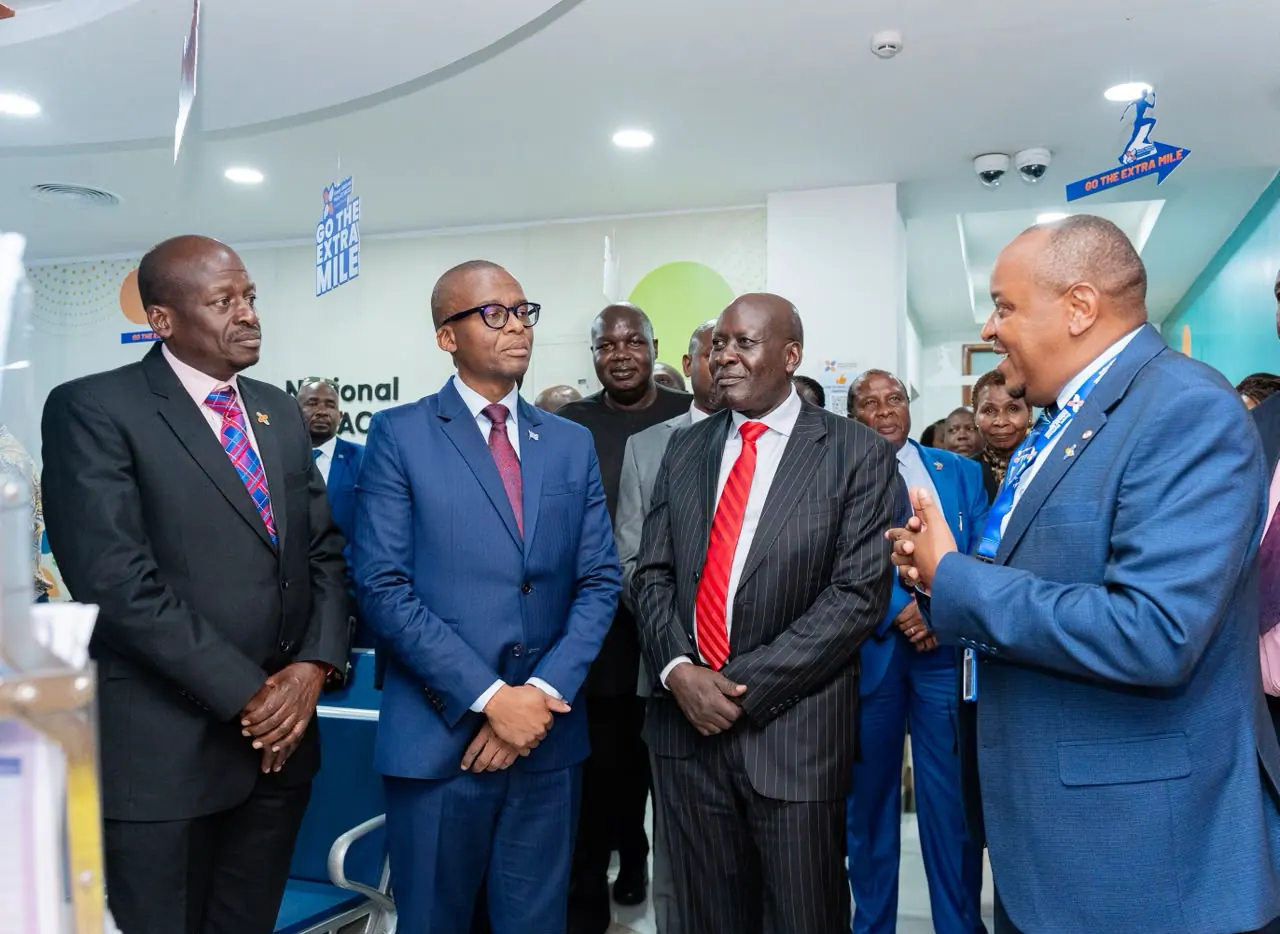
Family Bank officials said small and medium-sized enterprises require financing that matches their cash-flow patterns, business stage and growth plans, noting that many firms feel pressure when income timing does not line up with expense due dates.
Nicholas Kariuki, the bank’s financial products specialist, described cash-flow management as a major challenge, especially where payments arrive after outlays are due, adding “So, probably on the cash flow side, which might be a bigger killer than maybe even lack of profits, right?”.
He explained that companies often need to purchase inventory, settle supplier invoices or meet other operating costs while awaiting expected receipts, creating a gap that can be filled through lending, and said “So then broadly speaking, you have a mismatch of receivables, the money you’re expecting, you expect to expend, come to us, we would then bridge that gap through lending.”
Daniel Azenga, the bank’s Asset Financing and SME Specialist, said the financing needs of an enterprise evolve as it moves from start-up to growth and eventually to maturity, warning “Financing the immediate need without the full picture, that’s how a good business gets a bad loan.”
Citing a hardware business in Kitengela, he noted that a newly-established firm may need working capital to stock premises and set up collection facilities, while a growing operation may later require asset financing for a vehicle or equipment.
He outlined that start-ups may need accounts and collection solutions, growing firms may require working capital and assets, and mature businesses may look for trade finance, investment and succession solutions, and stressed that lenders must also consider the period within which a business receives money from its customers, saying “So we’re not just talking about lending on a collateral basis, but we’re also understanding the cash flow cycle for that particular MSME.”
Kariuki said Family Bank is exploring lending models that assess a business’s performance and cash flows rather than relying solely on traditional collateral, stating “So, trying to change the structure away from possibly collateral-only to more cash flow-based, understanding your business, then financing based on literally how you manage your business, how does it operate.”
He added that factors such as the length of operation, traceability of earnings and the degree of formalisation or digitisation help a lender gauge a business, noting “The money that you earn, is it traceable? To what extent, for example, is your business formal or digitized? How long have you been in business, and so on and so forth?”
Kariuki also pointed out that technology is giving lenders additional data as more transactions move through digital platforms, and argued that when collateral is unavailable lenders must seek other data points, saying “Because the converse would be, the reality of if you must provide, for example, on the collateral side, if it doesn’t exist, and that’s a fair fact, does that mean we stop lending? So then, we must look at other means, other data points.”
Azenga warned businesses against using a financing facility for a purpose that does not match its structure, giving the example of an overdraft intended for short-term working capital being used to purchase a small pickup, describing it as “an expensive affair, if I may put it that way.”
He emphasized that understanding the customer’s business should precede product selection, summarising “The loan is one moment, the relationship is the whole journey.”
Kariuki identified equipment, solar power and mechanisation as typical investments that may need significant upfront spending but can improve productivity or lower costs, and said “From a financing perspective, in general, we would finance items that lead to efficiency, lead to reduced costs, and as well, that ensures more sustainability.”
The Central Bank of Kenya’s 2024 Survey Report showed the value of the MSME loan portfolio at KSh784.3 billion in December 2024, while active MSME loan accounts fell 24.7 per cent from 1.18 million in December 2022. MSME loans represented 21.4 per cent of the total banking sector loan portfolio by value at that time. Commercial banks charged an average interest rate of 16.4 per cent on MSME facilities, compared with 26.3 per cent among micro-finance banks. More than half of commercial banks now offer products aimed at micro, small and medium enterprises.